⚡ The Rifle That Armed the Wehrmacht | 1942 Steyr K98k

image 120
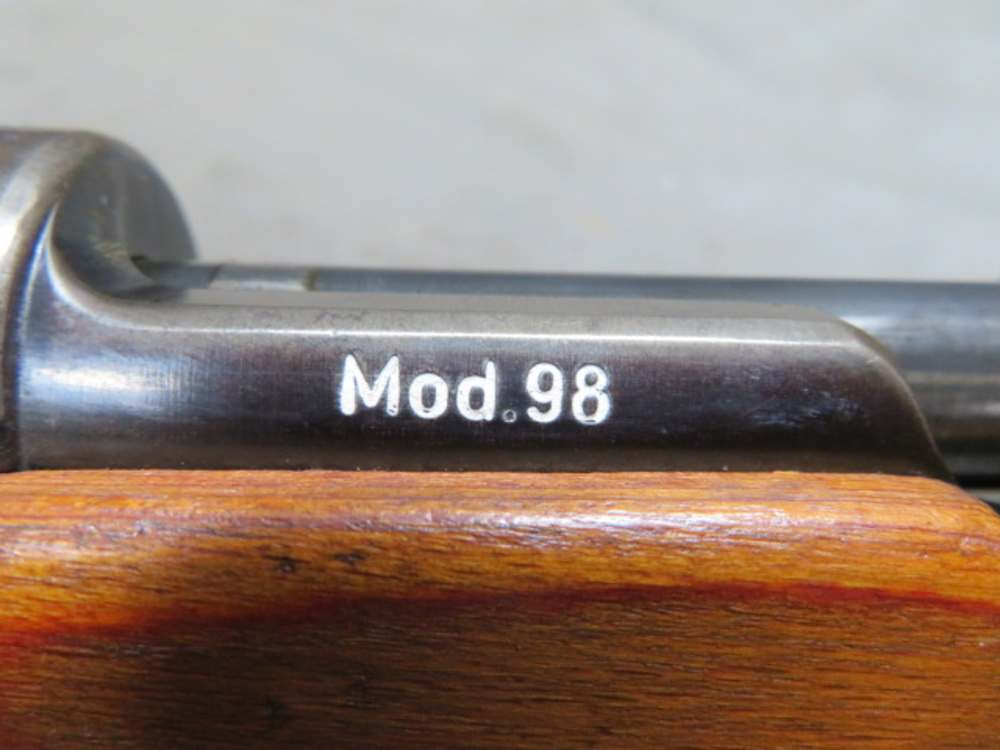
The Mauser 98 action was so well designed that it inspired countless sporting rifles—and is still considered one of the strongest bolt-action systems ever built over 125 years later.

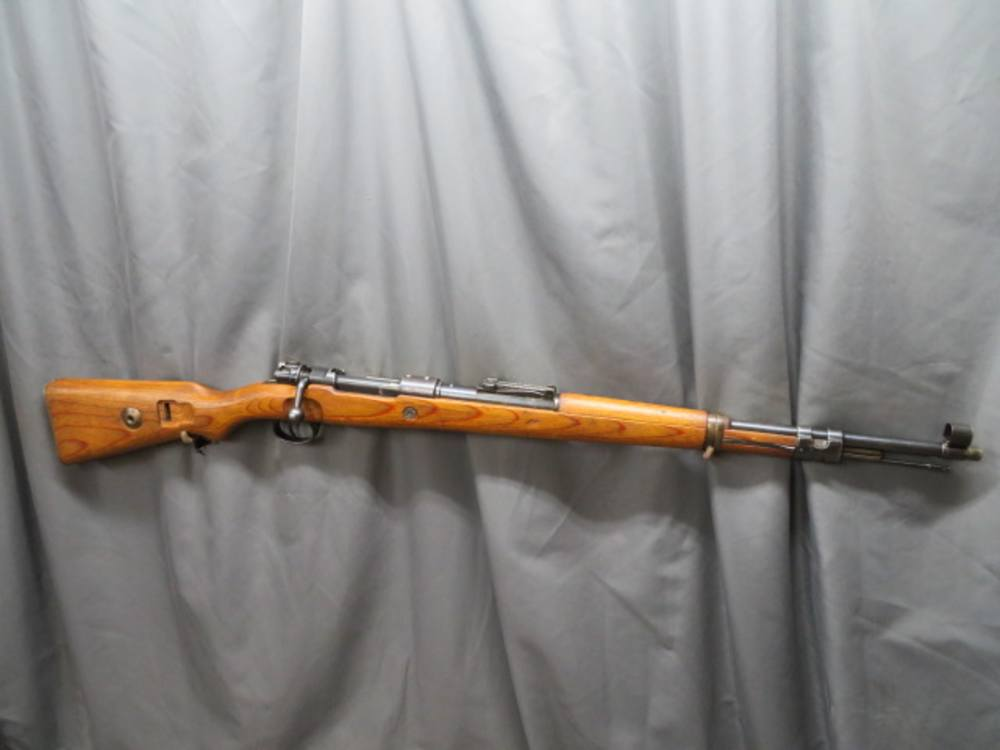
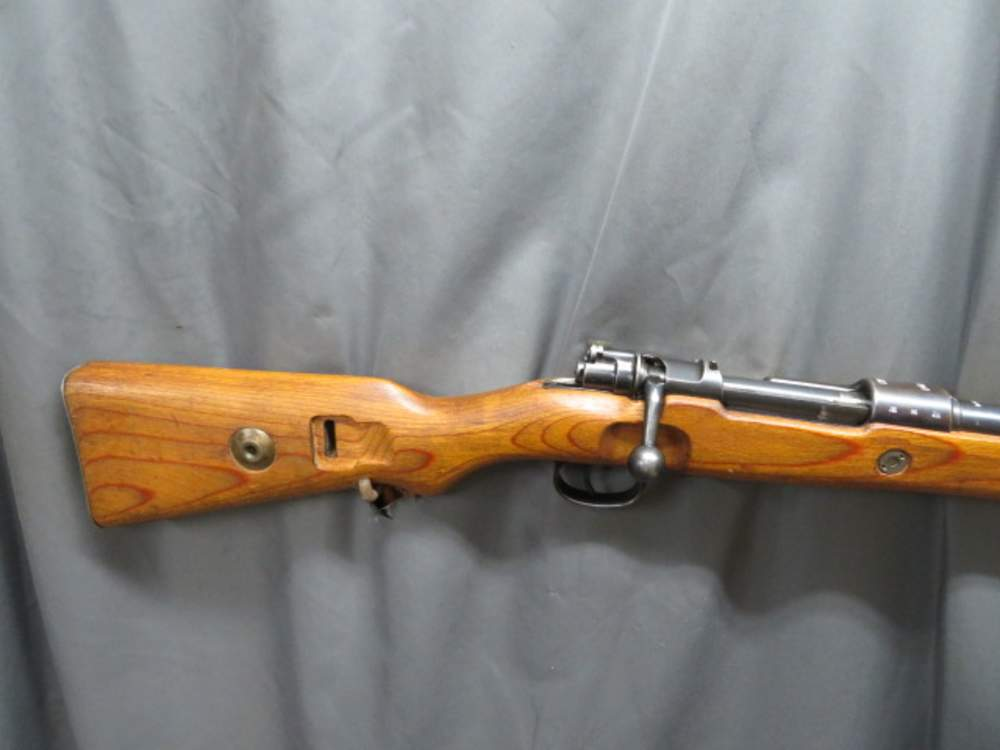
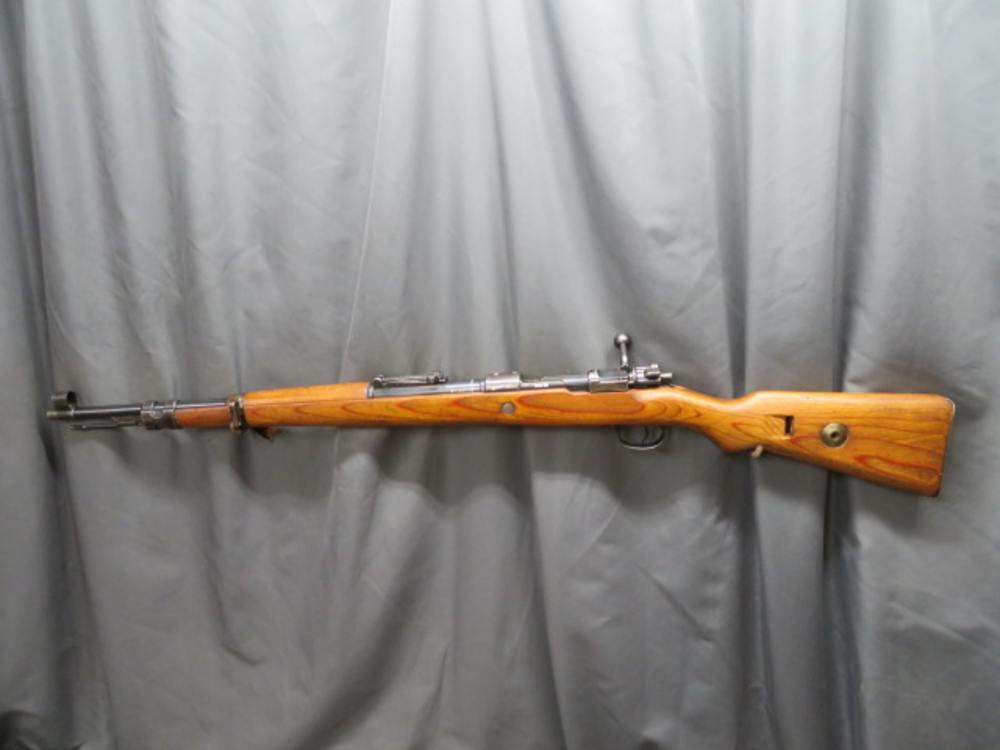
Manufactured in 1942 by Steyr using the wartime factory code “bnz,” this WWII German Karabiner 98k Mauser is a highly collectible example featuring matching serial numbers—a characteristic that significantly increases both its historical integrity and collector appeal. The Karabiner 98k served as Germany’s standard infantry rifle throughout World War II, earning a reputation for exceptional accuracy, rugged reliability, and precision engineering. Built on the legendary Mauser bolt-action system, it became one of the most influential military rifles ever produced.

As the war intensified, Steyr was one of Germany’s primary arms manufacturers, producing thousands of K98k rifles for soldiers fighting on every major front. Despite mass wartime production, rifles retaining matching components have become increasingly scarce due to battlefield repairs, post-war refurbishments, and decades of surplus use. Today, an original matching bnz 42 rifle offers collectors a tangible connection to the history, craftsmanship, and military service of World War II.


⚡ Decoding the "bnz 42" Marking: A WWII Mauser Mystery

The “bnz 42” receiver marking identifies this rifle as a Karabiner 98k Mauser manufactured in 1942 by Steyr-Daimler-Puch AG in Steyr, Austria. During World War II, Germany used letter codes like “bnz” instead of factory names to conceal production locations from Allied intelligence. Steyr was one of the Reich’s largest arms producers, supplying thousands of K98k rifles to German forces fighting across Europe and North Africa.

The Karabiner 98k became Germany’s standard service rifle because of its reliability, strength, and exceptional accuracy. Original examples with clear receiver markings such as “bnz 42” and matching serial numbers are especially sought after by collectors, as they represent an authentic piece of wartime manufacturing history. Every stamp tells part of the rifle’s journey from the Steyr factory to the battlefields of World War II.

image 119
The "bnz" code wasn't random—it was a secret wartime factory code used to hide Steyr's identity from enemy intelligence, making these markings an important part of WWII history.

🔍 Hidden Marks, Hidden History: Inside a 1942 K98k

image 124
Every tiny proof mark on a K98k tells part of its story—collectors often use these stamps like fingerprints to identify where and when a rifle was made.

This close-up reveals several original inspection and acceptance markings found on a 1942 Steyr-produced Karabiner 98k Mauser. The prominent “Ru” stamp is an inspection mark applied during the rifle’s production process, while the nearby Waffenamt (WaA) acceptance stamps were used by German military inspectors to verify that the part met wartime specifications. These markings provide valuable clues about the rifle’s manufacture and authenticity.

Collectors closely examine these small proof marks because they help confirm originality and trace where a rifle was produced. During World War II, every major component of the K98k passed through multiple inspections before final assembly. Finding crisp, matching inspection marks like these is an important indicator that a rifle has retained much of its original wartime character.


⚙️ Inside the Action: The Engineering Behind the Legendary K98k

This close-up of the receiver and bolt raceway showcases the precision machining that made the Mauser Karabiner 98k one of the most respected bolt-action rifles of the 20th century. Manufactured by Steyr in 1942, rifles like this featured carefully machined internal surfaces designed to provide smooth bolt travel, dependable feeding, and reliable extraction under harsh battlefield conditions. These details highlight the craftsmanship that helped make the K98k famous for durability.

Collectors often inspect the interior of a K98k as closely as its exterior. Clean machining, original finish, and matching numbered components can reveal how well a rifle has been preserved over the decades. While the outside tells the rifle’s story, the inside often reflects the quality of its original manufacture and long-term care.

image 125
The Mauser 98 action is so strong and reliable that its design inspired countless sporting and military rifles—and remains one of the most influential bolt-action systems ever created.

🎯 Built for Precision: The K98k's Iconic Tangent Sight

image 127
The K98k's rear sight was graduated from 100 to 2,000 meters, reflecting military doctrine of the era—even though most combat engagements occurred at much shorter distances.

This image highlights the graduated tangent rear sight of the 1942 Steyr (bnz 42) Karabiner 98k Mauser. The sight is marked with distance increments that allowed soldiers to adjust their point of aim for targets at varying ranges. Its robust design was simple to operate, durable in combat, and became one of the defining features of the K98k rifle throughout World War II.

The Karabiner 98k earned a reputation for excellent accuracy, thanks in part to its well-designed sighting system and the strength of the Mauser action. Original rear sights with crisp, readable markings are valued by collectors because they demonstrate the rifle has retained authentic wartime components. Details like these help preserve the historical integrity of an original matching K98k.

🔍 The Front Line of the K98k: Front Sight & Bayonet Mount

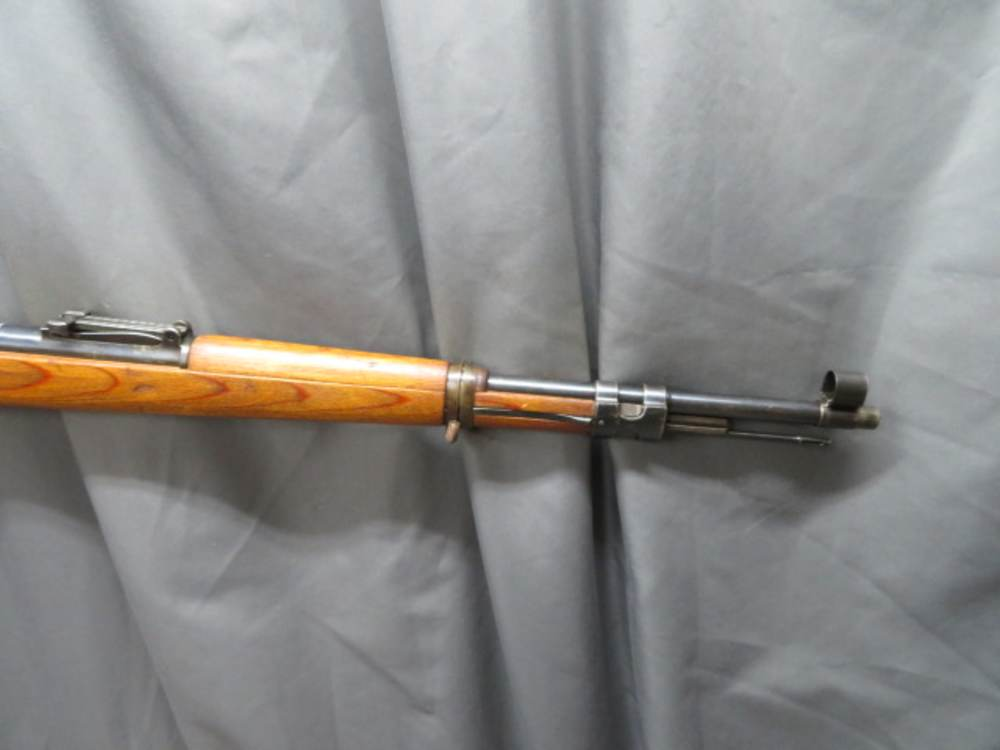
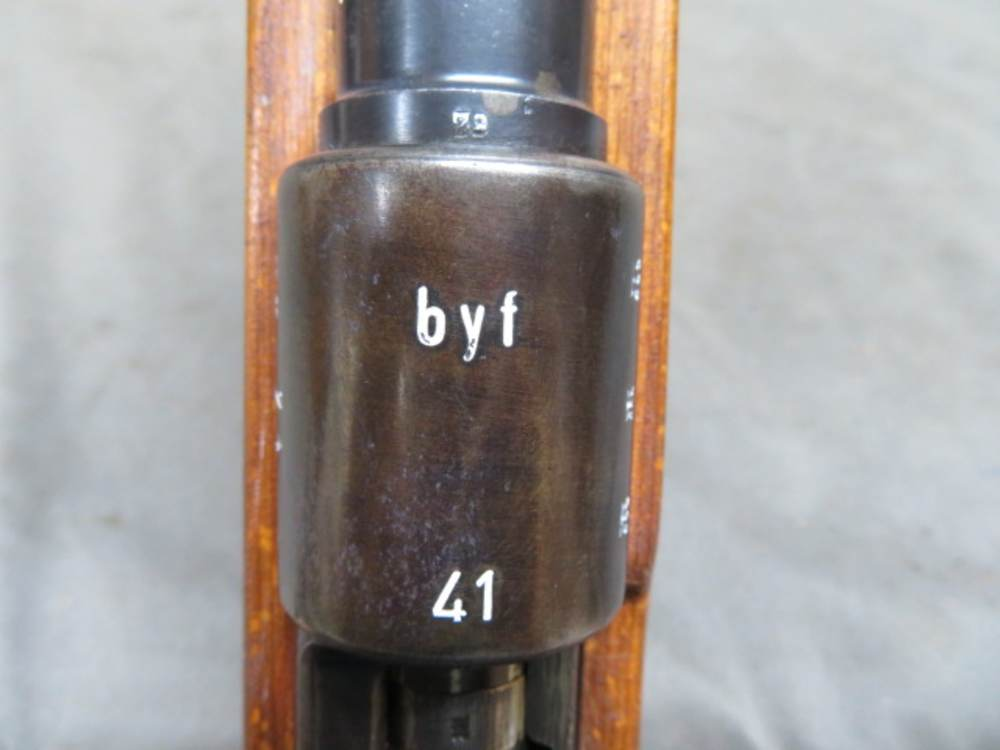
This close-up showcases the front sight assembly of a 1942 Steyr (bnz 42) Karabiner 98k Mauser, including the distinctive hooded front sight, bayonet lug, and cleaning rod beneath the barrel. The hood helped protect the front sight blade from damage during field use, while the bayonet lug allowed soldiers to attach the standard S84/98 bayonet. These practical features reflected the K98k’s role as a dependable infantry rifle built for the demanding conditions of World War II.

Original front sight assemblies are closely examined by collectors because they often retain factory machining, inspection marks, and wartime finish. The presence of an original cleaning rod and intact front sight components adds to the rifle’s authenticity and historical appeal, offering a glimpse into how these rifles were originally issued to German soldiers.


image 121
The hooded front sight on the K98k was designed to protect the sight blade from damage, helping soldiers maintain accuracy even under harsh battlefield conditions.

Add Your Heading Text Here