The “Potato Masher” of the Trenches: Original German Model 1917 Stick Grenade

image 58
The long wooden handle helped German soldiers throw the grenade farther than many traditional hand-grenade designs!

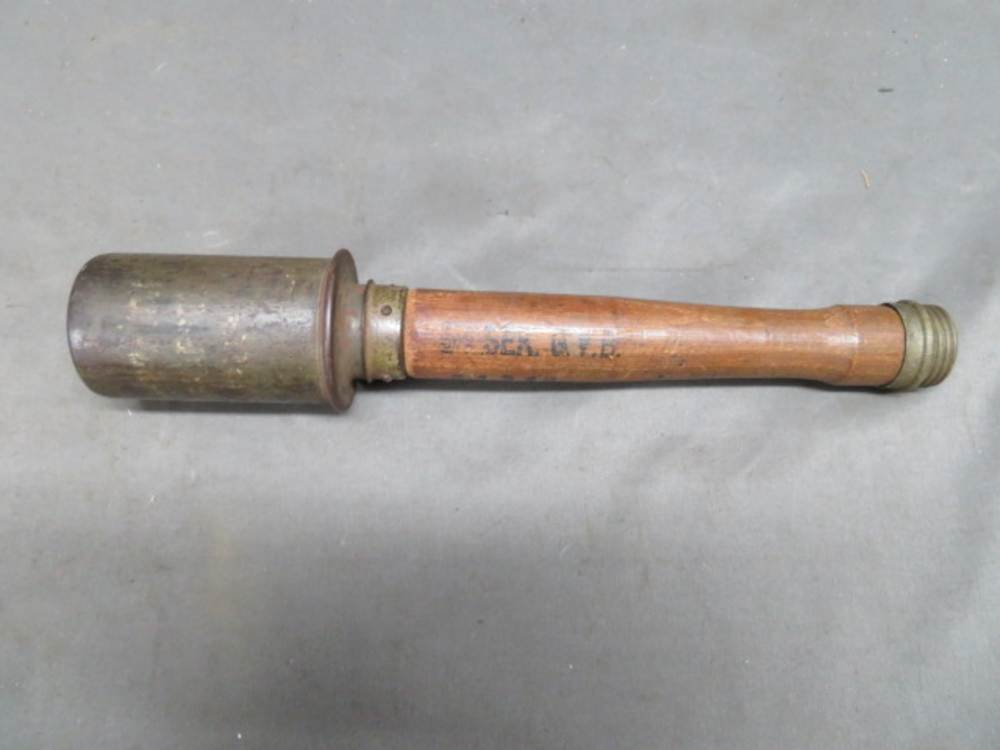
Introduced during World War I, the Imperial German Model 1917 stick grenade—known as the Stielhandgranate—became one of the conflict’s most recognizable weapons. Its long wooden handle provided extra leverage for throwing, while the explosive charge was housed inside the cylindrical metal head. Allied soldiers famously nicknamed this distinctive design the “potato masher.” Imperial War Museums

This original example is dated 1917 and displays the unmistakable combination of a turned wooden handle, metal grenade head, and threaded base cap. Its visible age, surviving markings, and honest wartime character make it an impressive artifact from the brutal trench fighting of the First World War.

A Century of History in Steel

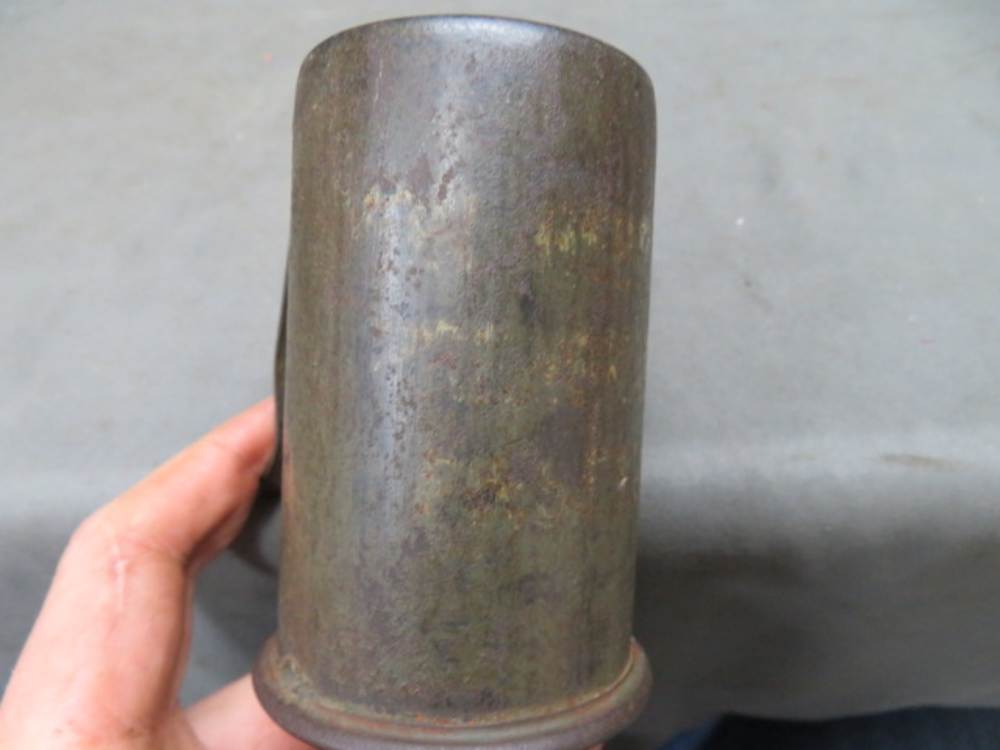
This close-up reveals the cylindrical metal head of the Imperial German Model 1917 stick grenade. Its aged finish, surface patina, and visible wear reflect more than a century of survival since the First World War.

The metal head originally contained the explosive charge, while the wooden handle gave soldiers greater throwing leverage. Its unmistakable shape earned the German Stielhandgranate its famous Allied nickname—the “potato masher.”

image 59
Its famous nickname came from its shape—not from anything found in a field kitchen!

Rare Markings Still Visible After More Than a Century

image 60
Original painted markings are often the first details lost to time, making surviving examples especially interesting!

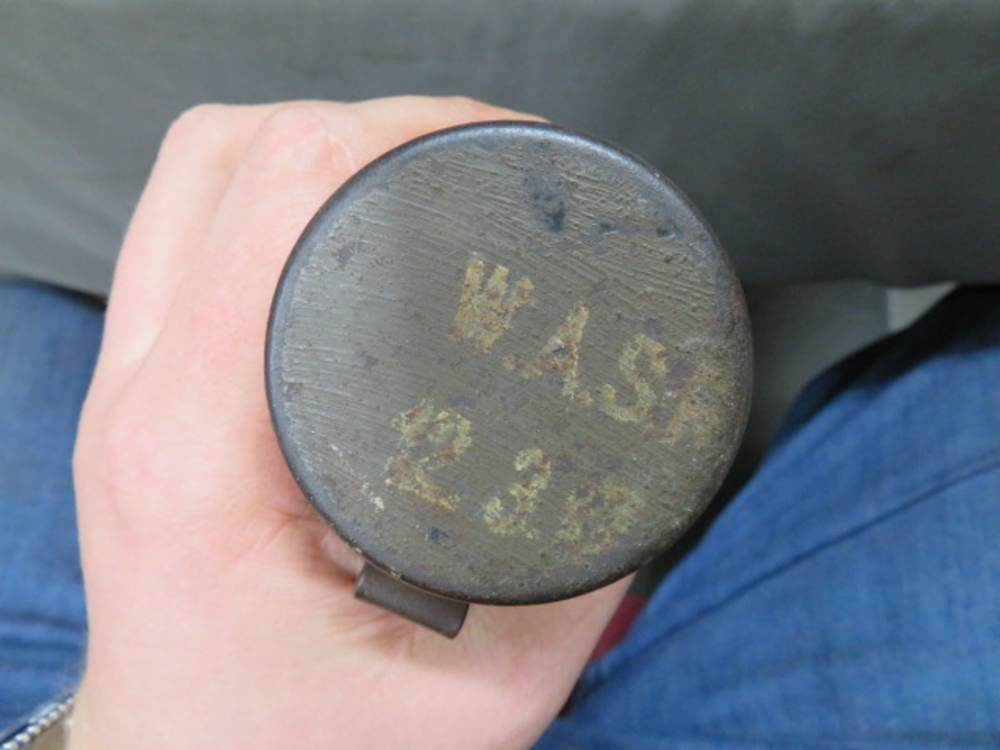
This close-up highlights the surviving yellow stenciled markings on the metal head of the Imperial German Model 1917 stick grenade. Although faded with age, these original characters add authenticity and remarkable visual character to this historic artifact.

Such markings were commonly applied to identify manufacturing, filling, or inspection information. Their survival—along with the grenade’s naturally aged finish—offers a fascinating glimpse into German wartime production during 1917.

Trench-Ready Design: The Original Carrying Clip

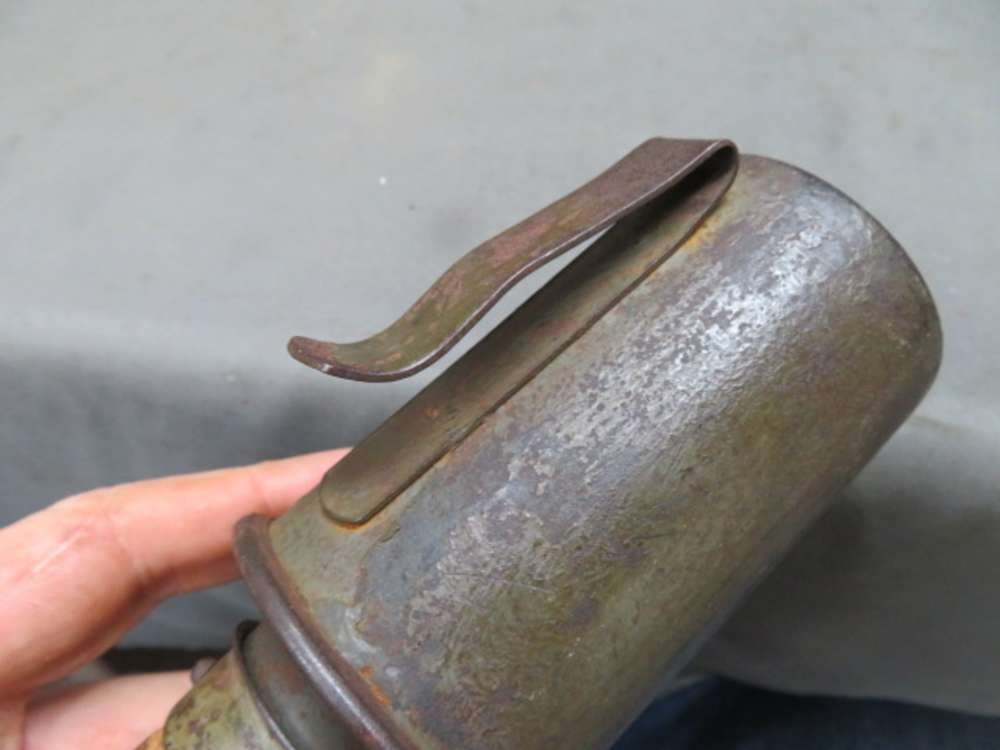
This close-up highlights the long metal carrying clip attached to the grenade’s cylindrical head. The clip allowed the Model 1917 stick grenade to be secured to a soldier’s belt or field equipment, keeping it accessible during trench raids and combat.

The naturally aged steel surface, surviving clip, and original construction details give this example outstanding wartime character. Small features like this reveal how the grenade was designed not only for use but also for practical battlefield carry.

image 61
German soldiers could carry stick grenades tucked into their belts, boots, or specialized grenade bags!

Dated 1917: A Mark Frozen in Time

image 62
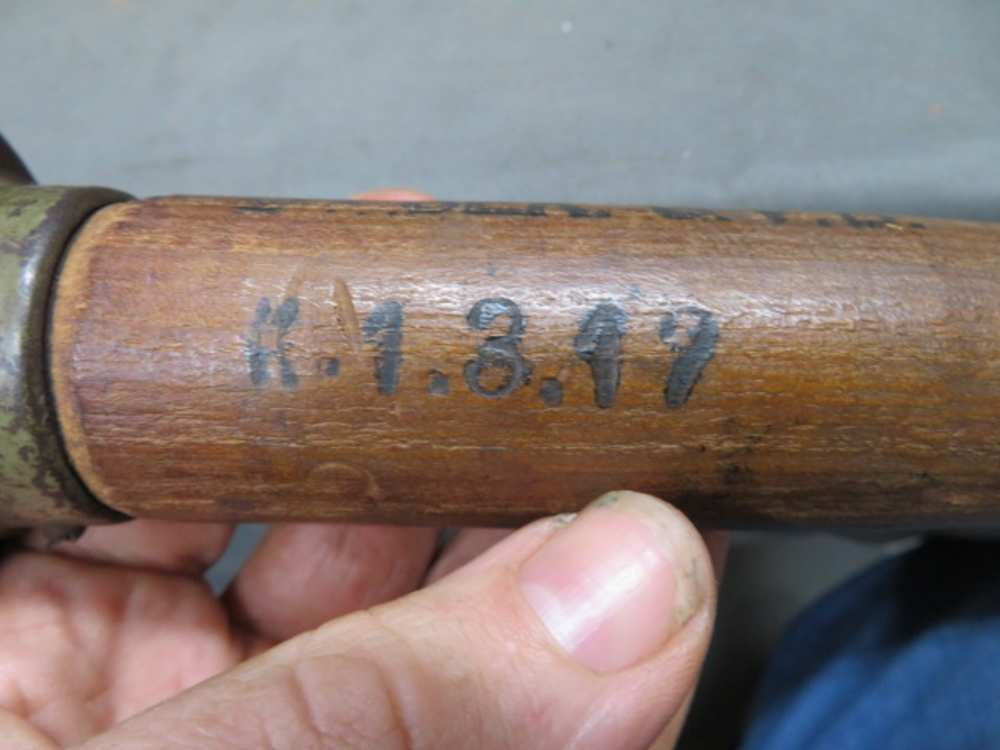
More than a century later, the original 1917 date remains clearly visible on the wooden handle!

This close-up reveals the clearly stamped “1.3.17” marking on the original wooden handle. Believed to represent a 1917 production or inspection date, it provides a direct connection to the grenade’s First World War origins.

The surviving dark stamp stands out against the aged wood grain, adding tremendous historic character. Dated components are especially fascinating because they help place an artifact within a specific period of wartime manufacture.

Inside the Handle: A Hidden Part of the Design

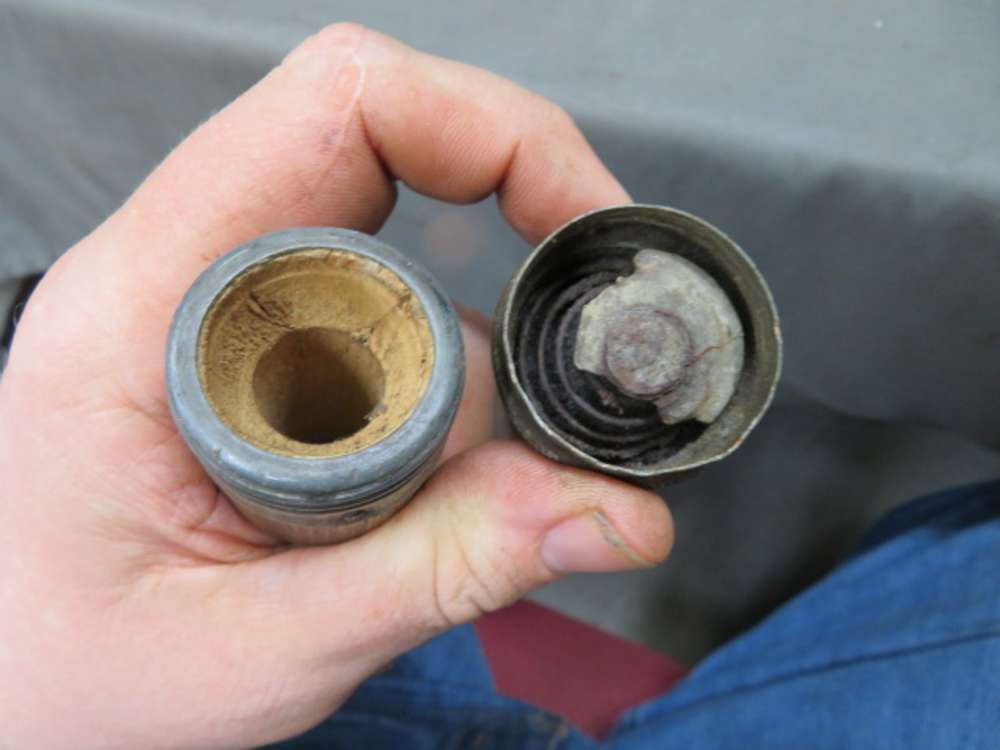
This close-up shows the removable metal base cap and hollow wooden handle of the Model 1917 stick grenade. The handle was designed to house the internal pull-cord ignition components, protecting them until the grenade was prepared for use.

The threaded cap, hollow channel, and surviving interior material offer a fascinating look at the grenade’s original construction. Details normally hidden from view help demonstrate the simple but effective engineering behind this famous World War I design.

image 64
The ignition system was concealed inside the wooden handle beneath the removable metal cap!

Original Base Cap: Small Detail, Big History

image 63
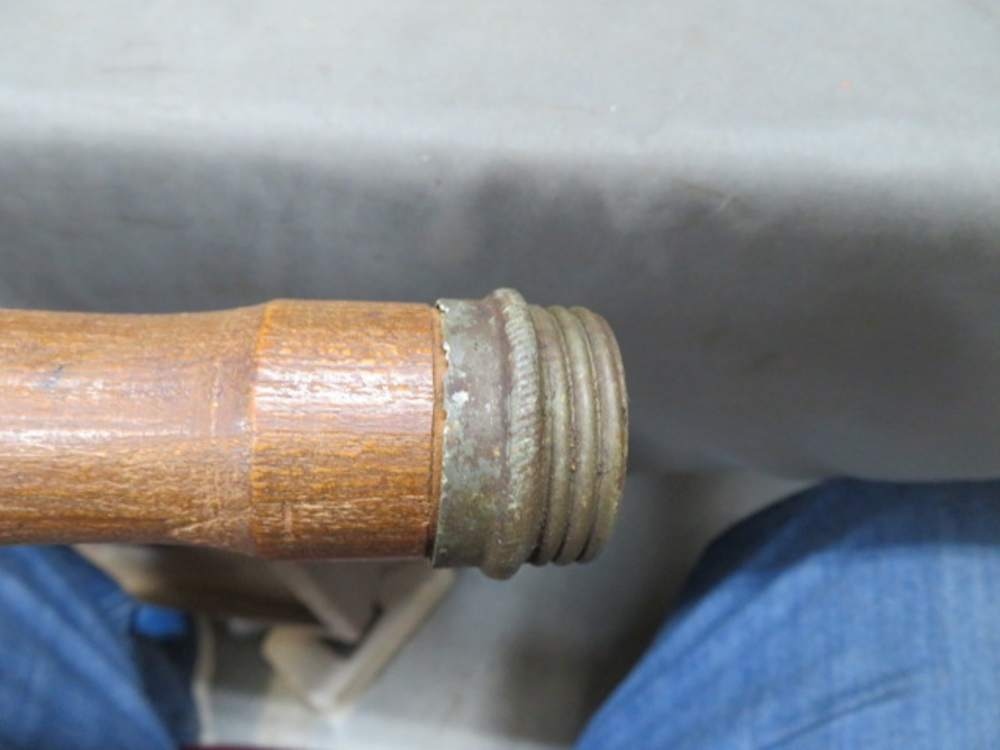
A small metal cap protected the grenade’s concealed ignition components from the elements!

This close-up highlights the threaded metal cap fitted to the bottom of the Model 1917 grenade’s wooden handle. Its aged surface and honest wear match the character of the grenade’s other original components.

The removable cap protected the internal ignition components housed within the handle. Its threaded design allowed access while helping shield the mechanism from mud, moisture, and damage in harsh trench conditions.