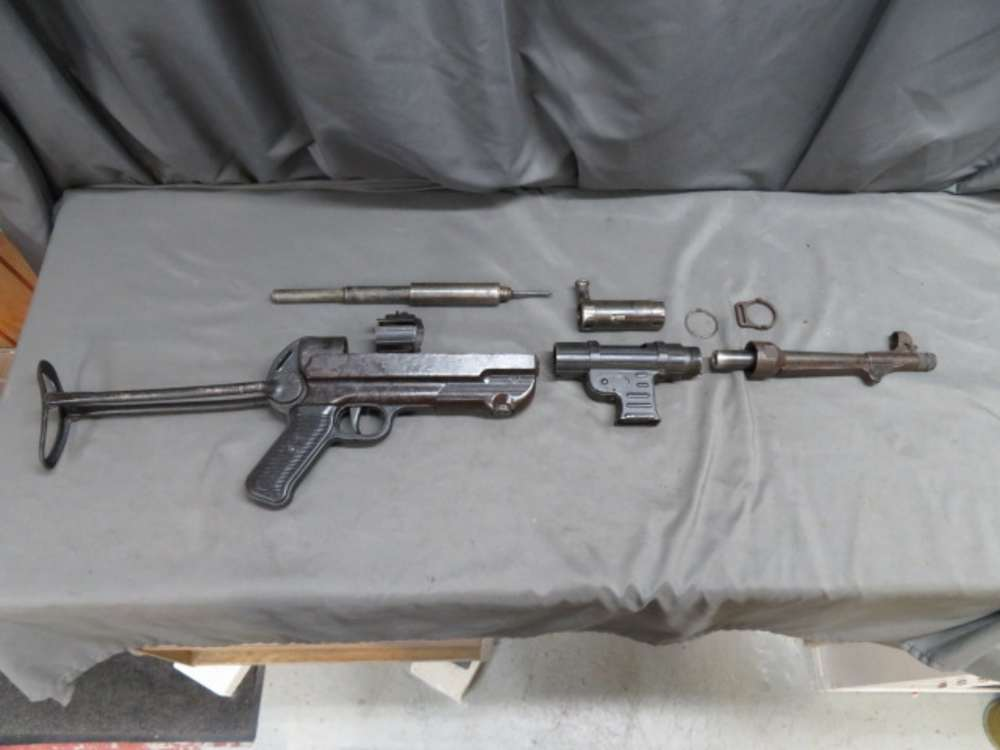
WWII — German MP 40 Submachine Gun Parts Kit Original with Live Barrel
The MP 40 became one of the most recognizable German small arms of World War II. Developed from the earlier MP 38 and introduced in 1940, it was chambered in 9×19mm Parabellum and was widely issued to squad leaders, armored vehicle crews, paratroopers, and other troops who needed a compact automatic weapon. Its folding metal stock and extensive use of stamped components helped make it well suited to wartime mass production.
This original MP 40 parts kit with live barrel offers a fascinating look at the internal construction and engineering of the historic design. The MP 40 is often mistakenly called the “Schmeisser,” but designer Hugo Schmeisser was not the primary designer of the MP 40. The weapon’s development is more closely associated with Heinrich Vollmer and the Erma company. Today, surviving original components are valued as tangible pieces of WWII military and industrial history.
Viral Title: Inside the Legendary MP 40: A WWII Icon Revealed
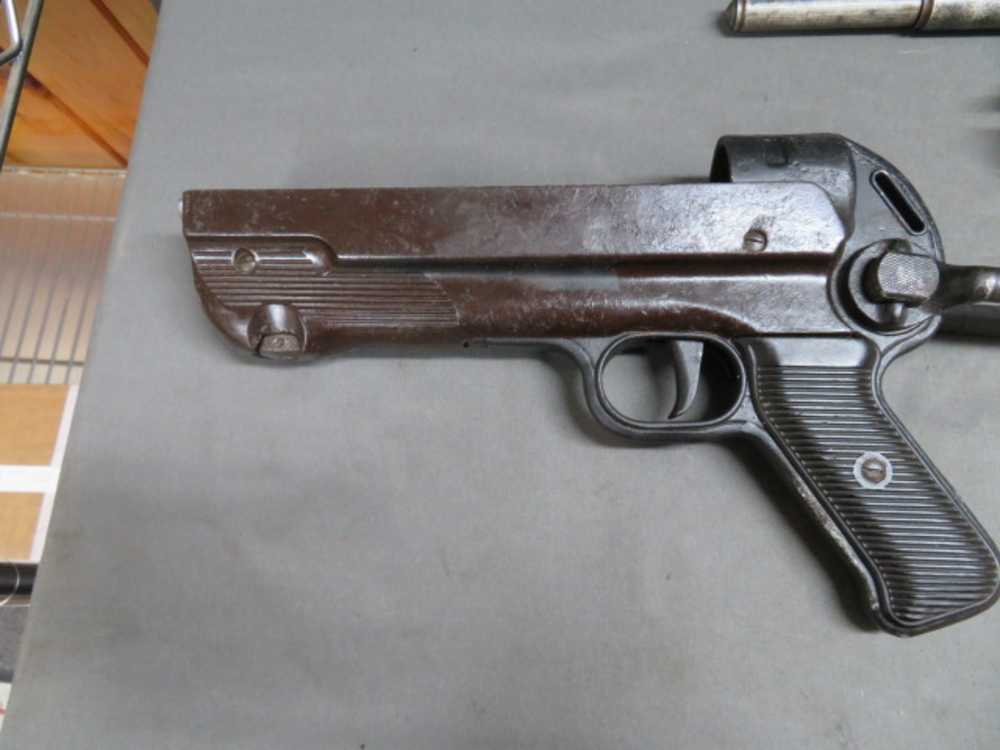
This close-up highlights the lower receiver, pistol grip, trigger assembly, and folding stock mechanism of an original WWII German MP 40 parts kit. Introduced in 1940, the MP 40 was designed as a compact 9mm submachine gun and became especially associated with German squad leaders, armored crews, and paratroopers. Its distinctive under-folding metal stock made it easier to carry in confined spaces than a traditional full-stock weapon.
The image also shows the MP 40’s recognizable ribbed synthetic pistol-grip panels and streamlined construction. Unlike many earlier firearms that relied heavily on machined components and wooden furniture, the MP 40 incorporated stamped steel and synthetic materials, reflecting the growing wartime emphasis on faster, more efficient mass production. These surviving original components provide a close-up look at one of WWII’s most recognizable military designs.
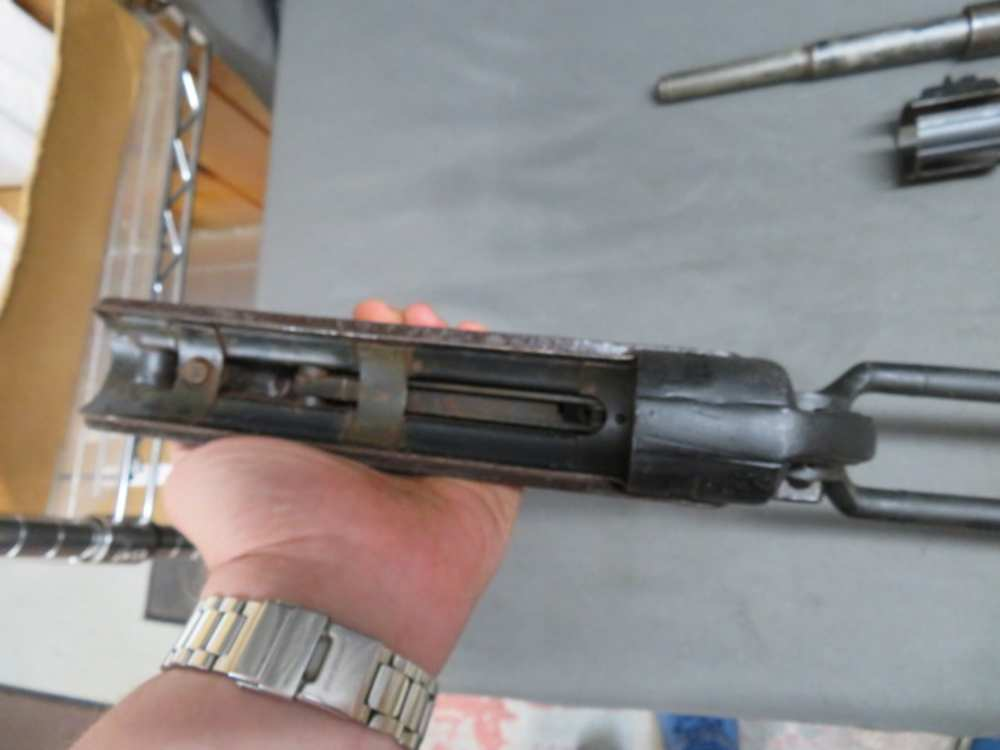
🔥 A Look Inside the MP 40’s Receiver Assembly
This close-up shows the interior of the MP 40’s lower receiver and folding-stock assembly, revealing portions of its internal fire-control components and stamped-steel construction. The MP 40 was introduced in 1940 and reflected Germany’s move toward more efficient manufacturing methods, using stamped and formed metal components to reduce production time compared with earlier, heavily machined designs.
The visible receiver housing and under-folding stock mechanism demonstrate the MP 40’s compact engineering. Its folding stock was particularly useful for troops operating in confined spaces, including armored vehicle crews. Surviving original assemblies like this provide a detailed look at the materials, construction techniques, and mechanical design used in one of World War II’s most recognizable submachine guns.
🔥 Up Close: MP 40 Receiver Section & Rear Sight Assembly
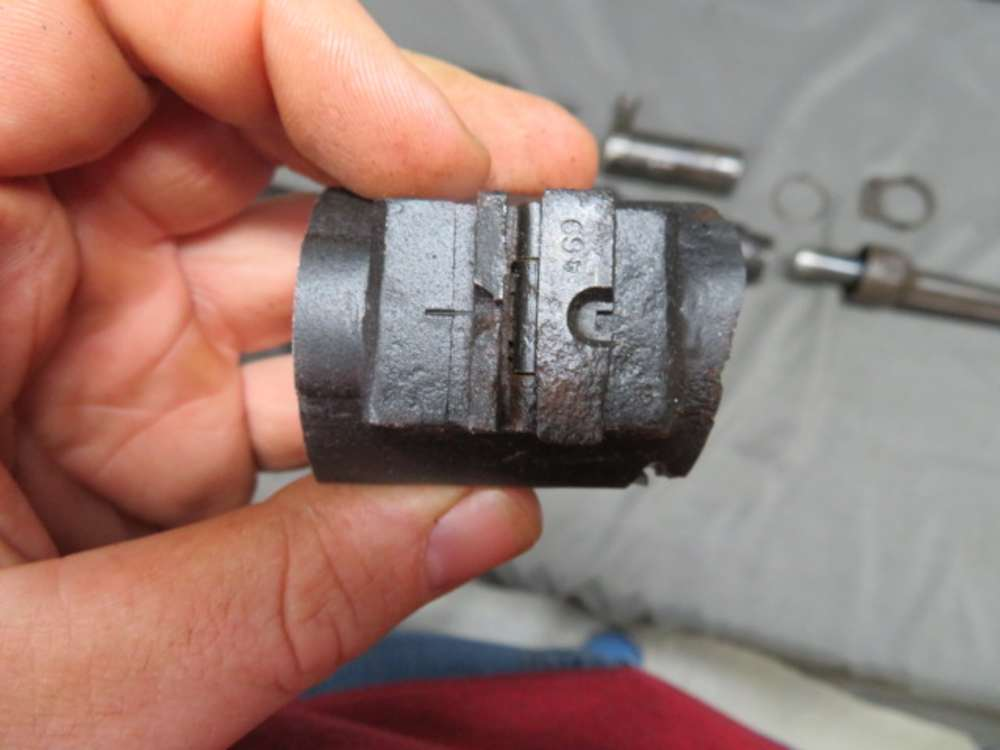
This close-up highlights an original cut receiver section with the rear sight assembly from the WWII German MP 40 parts kit. The MP 40 was designed with production efficiency in mind, incorporating stamped and formed steel components that helped simplify wartime manufacturing. The surviving metal surfaces and construction details offer a close look at the rugged industrial methods used in producing this iconic WWII design.
The rear sight assembly was part of the MP 40’s straightforward military sighting system, designed for practical battlefield use rather than complicated adjustment. Details such as this surviving receiver section help collectors and historians study the original construction, machining, and assembly techniques used during World War II.
⚙️ The Heart of the MP 40: Recoil Spring Assembly
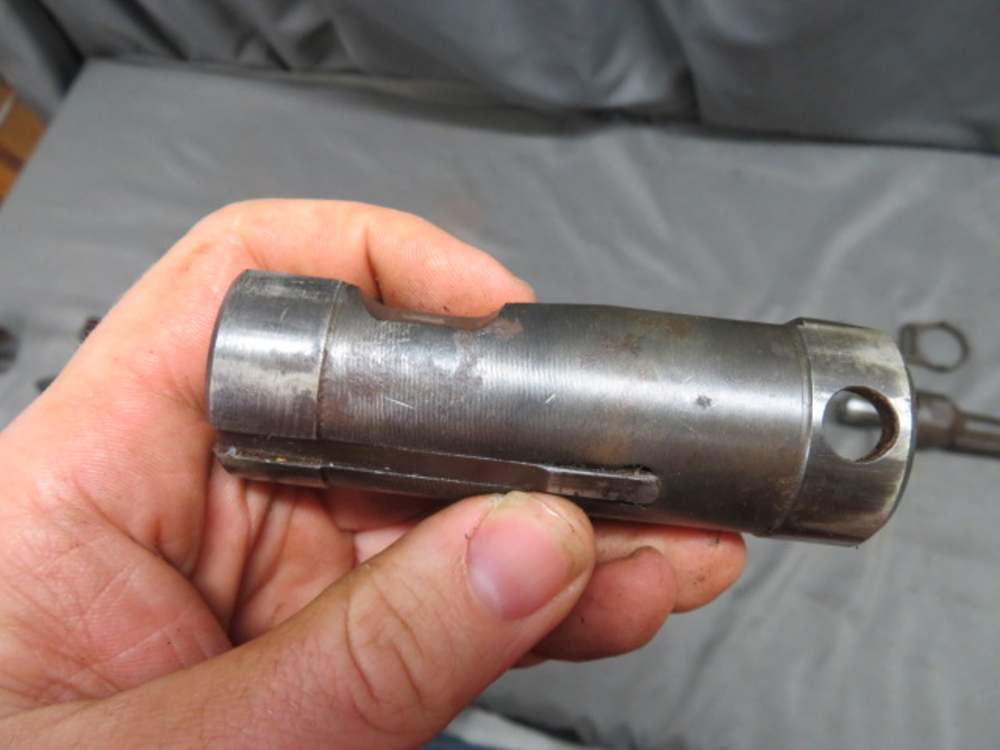
This close-up highlights the MP 40’s telescoping recoil spring assembly, a distinctive internal component of the famous WWII German submachine gun. The assembly housed and guided the recoil spring, working with the bolt during the MP 40’s open-bolt operating cycle. Its telescoping design helped protect the spring while keeping the internal mechanism compact and functional under demanding field conditions.
The MP 40’s internal engineering reflected the need for a weapon that was relatively simple, rugged, and suitable for wartime production. Components such as this recoil spring assembly demonstrate how the MP 40 combined straightforward blowback operation with practical mechanical design. Original surviving parts offer historians and collectors a closer look at the engineering hidden inside one of World War II’s most recognizable military arms.
🔍 Down the Bore: A Close Look at the MP 40 Barrel Assembly
This close-up provides a breech-end view of the original MP 40 barrel assembly, showing the chamber and bore. The MP 40 was chambered for the 9×19mm Parabellum cartridge, a widely used German military pistol and submachine-gun cartridge during World War II. The barrel was part of the weapon’s simple blowback-operated design, which contributed to the MP 40’s reputation as a practical and recognizable wartime firearm.
The visible chamber and bore offer a detailed look at the condition and construction of this surviving original component. The MP 40 used a barrel measuring approximately 9.9 inches (251 mm), helping keep the overall weapon relatively compact—especially when its distinctive folding metal stock was collapsed. Original barrel assemblies are an important part of studying the manufacturing and engineering of this iconic WWII design.
⚙️ Small Parts, Essential Details: MP 40 Barrel Components
This close-up highlights two small but important MP 40 barrel-area components, appearing to be a retaining ring and barrel-rest/attachment loop component from the original WWII parts kit. These pieces formed part of the MP 40’s barrel and front-end assembly, demonstrating how even the smallest stamped and formed steel components contributed to the weapon’s overall construction.
The MP 40 was engineered with an emphasis on practical wartime production, making extensive use of stamped, pressed, and welded steel parts. Small original components like these are especially useful for studying how the complete MP 40 was assembled and how German manufacturers simplified production during World War II.
🔥 The Business End: Original MP 40 Barrel Assembly
This close-up highlights the original MP 40 barrel assembly, including the barrel, front sight assembly, muzzle area, and distinctive barrel resting bar beneath the barrel. Chambered in 9×19mm Parabellum, the MP 40 used a barrel approximately 9.9 inches (251 mm) long. Its compact design was well suited to the close-range role for which the MP 40 became famous during World War II.
One of the most recognizable features visible here is the barrel resting bar, sometimes called the barrel support. Positioned beneath the barrel, it helped protect the magazine housing and provided a resting surface when the weapon was fired over the side of an armored vehicle. This unusual feature reflects the MP 40’s association with mechanized and armored troops and remains a distinctive element of its wartime design.
🔍 Through the Bore: MP 40 Muzzle & Rifling
This muzzle-end view of the original MP 40 barrel assembly provides a clear look into the bore and its visible rifling. The MP 40 was chambered for the 9×19mm Parabellum cartridge and used a rifled barrel to stabilize the projectile in flight. The front sight assembly is also visible above the muzzle, protected by its distinctive circular hood.
The MP 40 became one of World War II’s most recognizable submachine guns, combining a compact folding-stock design with straightforward blowback operation. Close-up views like this help document the surviving condition and original construction of individual components, including the bore, muzzle, and protected front sight.