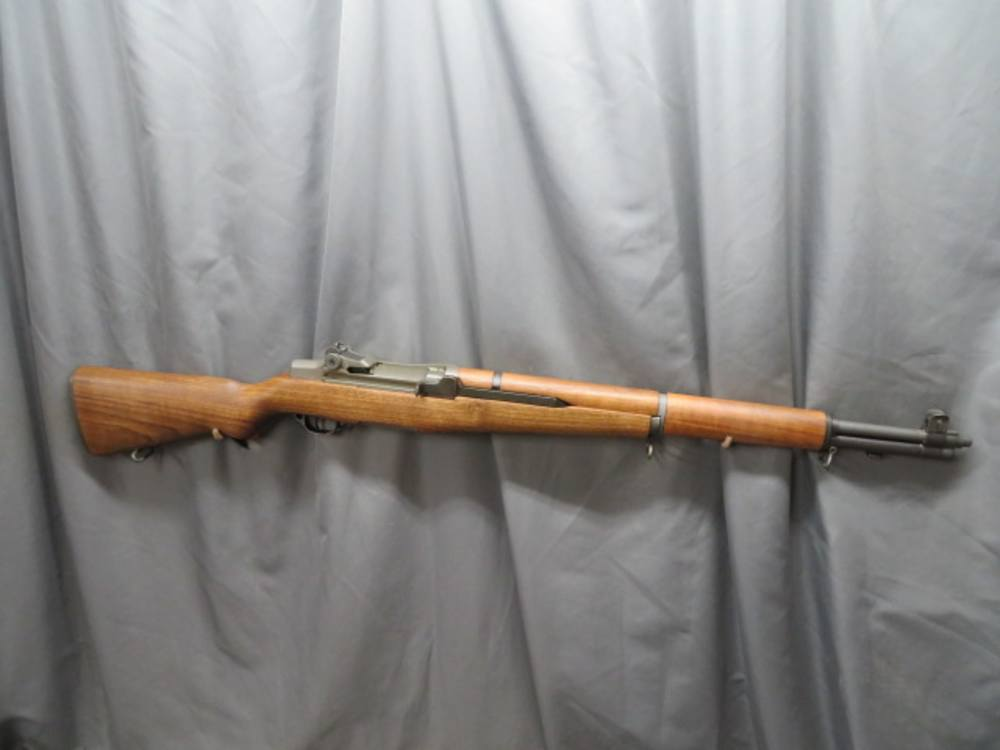
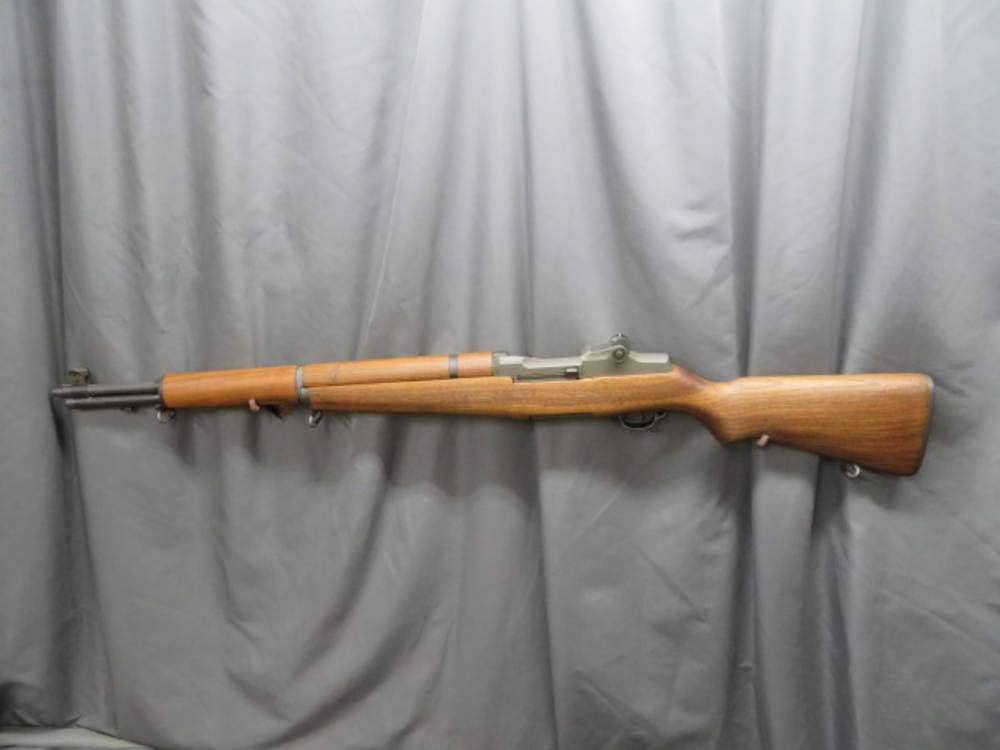
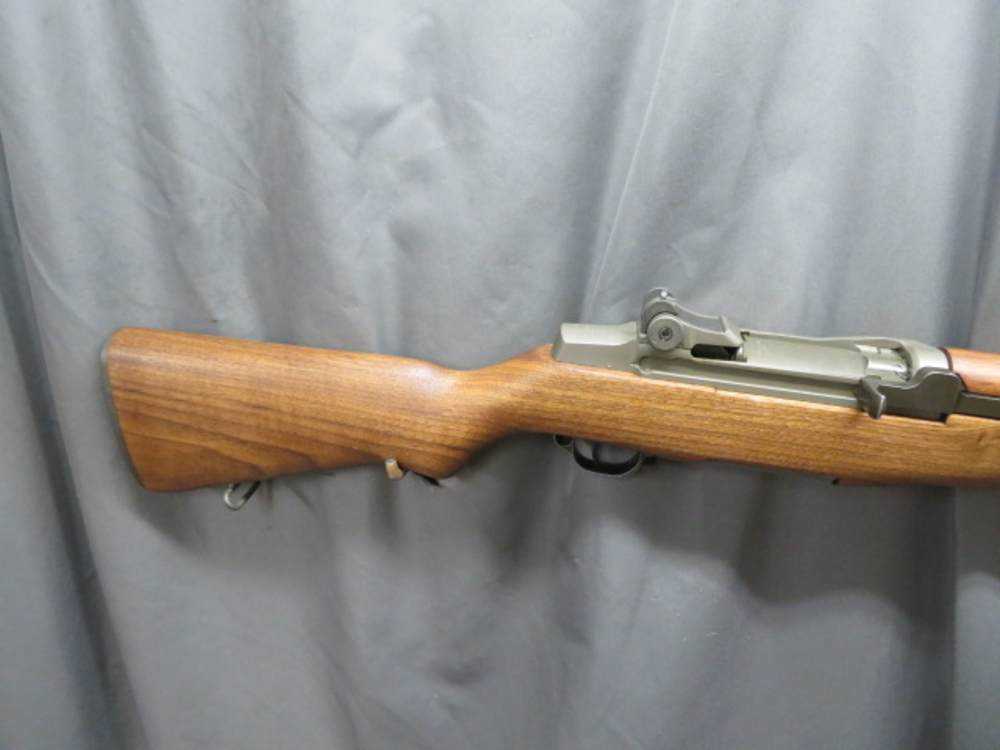
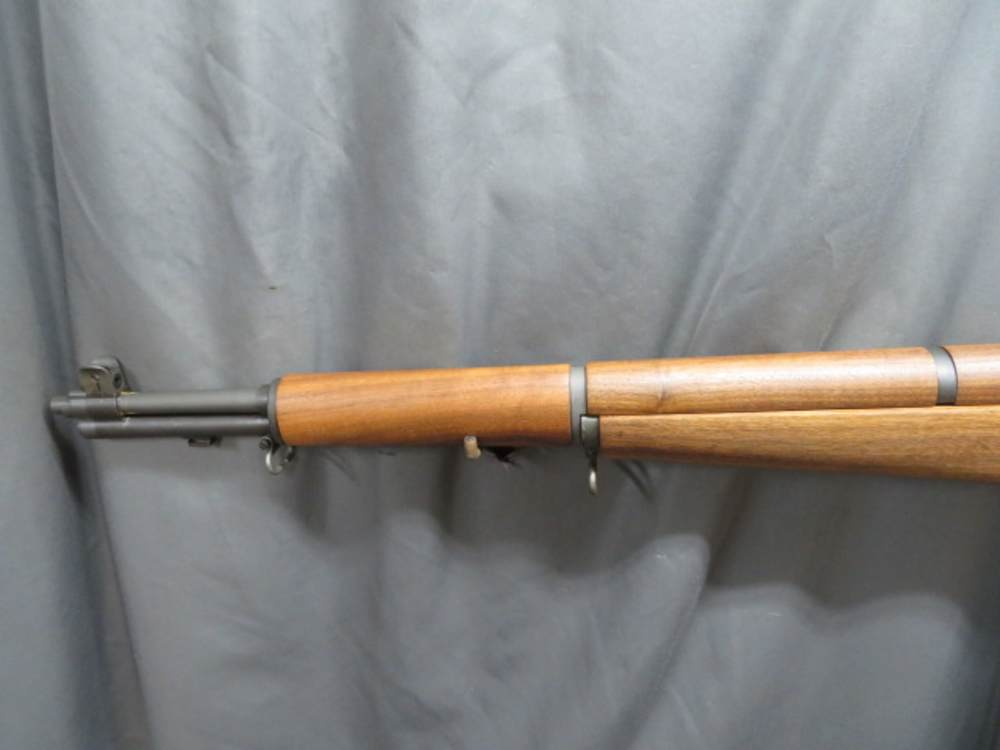
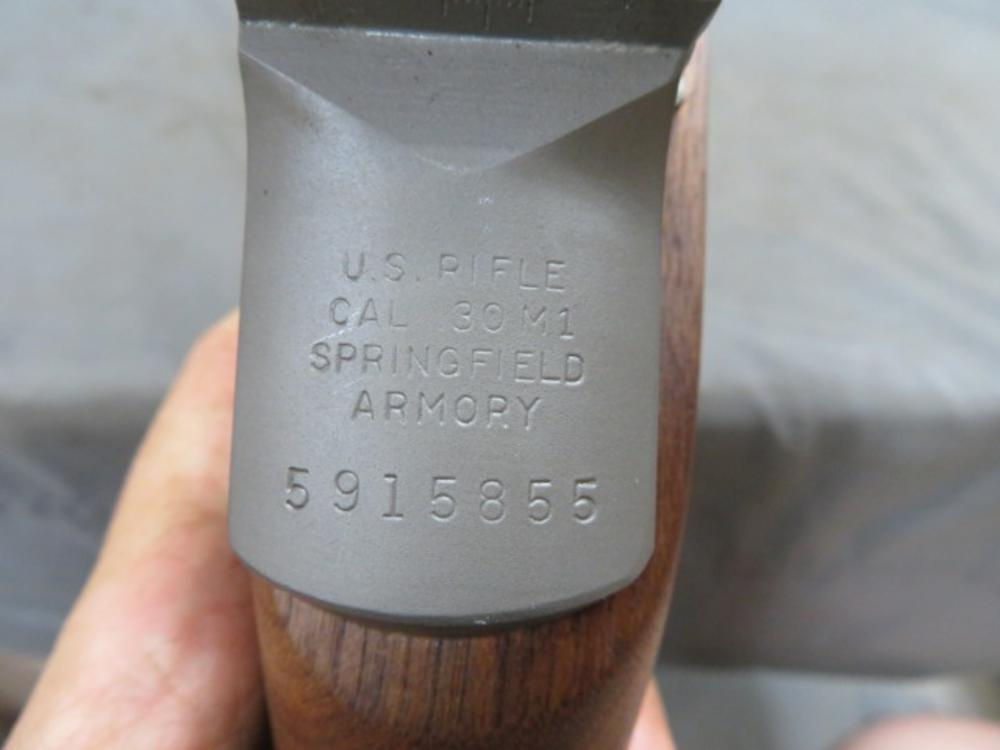
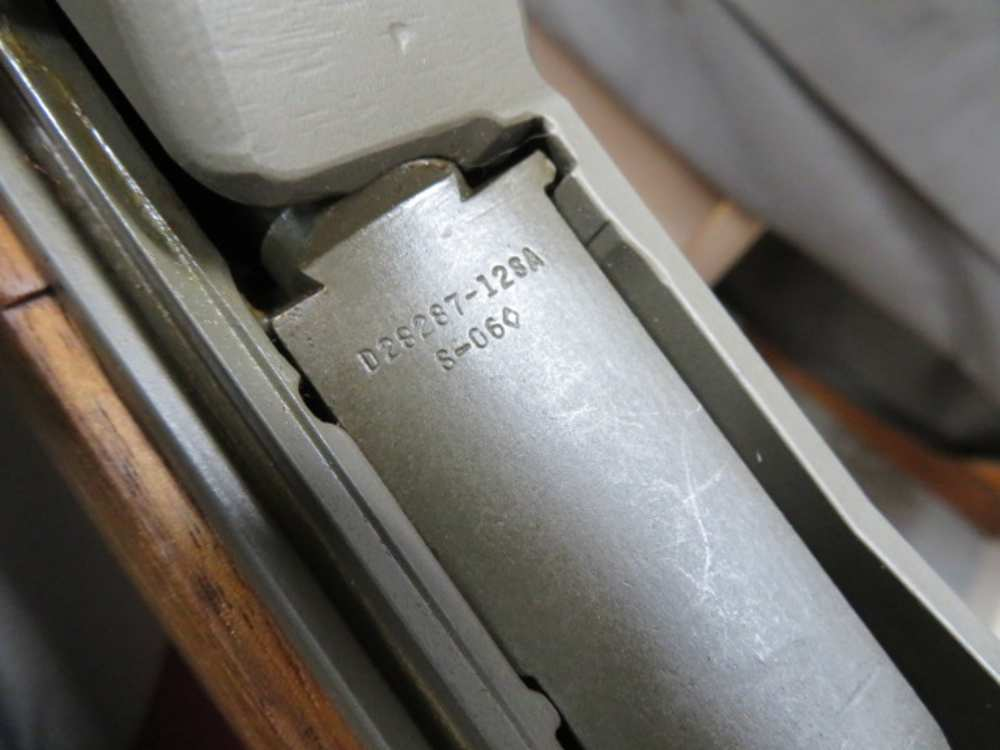
The M1 Garand rifle, particularly those manufactured by Winchester in 1944, represents one of the most iconic and influential firearms of the Second World War. Designed by Canadian-American engineer John C. Garand, the rifle was officially adopted by the U.S. Army in 1936 as the standard-issue infantry weapon. It marked a revolutionary shift in military small arms by becoming the first semi-automatic rifle widely issued to an entire army, giving American troops a significant advantage in firepower over enemies still relying primarily on bolt-action rifles.
By 1944, Winchester-produced M1 Garands were rolling off assembly lines at a critical moment in the war, just as Allied forces were pushing through Europe after D-Day. These rifles saw action in some of the most intense fighting of the conflict, from the hedgerows of Normandy to the Battle of the Bulge. Fun fact: the rifle’s distinctive “ping” when the en bloc clip ejected became one of the most recognizable battlefield sounds of WWII—instantly signaling both an empty rifle and the need to reload under pressure.
By 1944, production of the M1 Garand had reached its peak as the United States was fully engaged in global warfare. While the majority of rifles were produced at Springfield Armory, Winchester Repeating Arms Company played a critical supporting role, manufacturing hundreds of thousands of rifles to meet wartime demand. Winchester-made Garands from 1944 are especially notable, as they were produced during the height of combat operations in both the European and Pacific theaters, including the months surrounding the D-Day invasion and the push toward Germany.
What makes these 1944 Winchester rifles especially compelling is that many were issued almost immediately after production, going straight from factory floor to frontline service. These rifles likely accompanied American troops during some of the most निर्णing campaigns of the war, bridging the gap between industrial might and battlefield reality. Today, they stand not just as firearms, but as tangible links to the soldiers who carried them through history.