Wartime origins

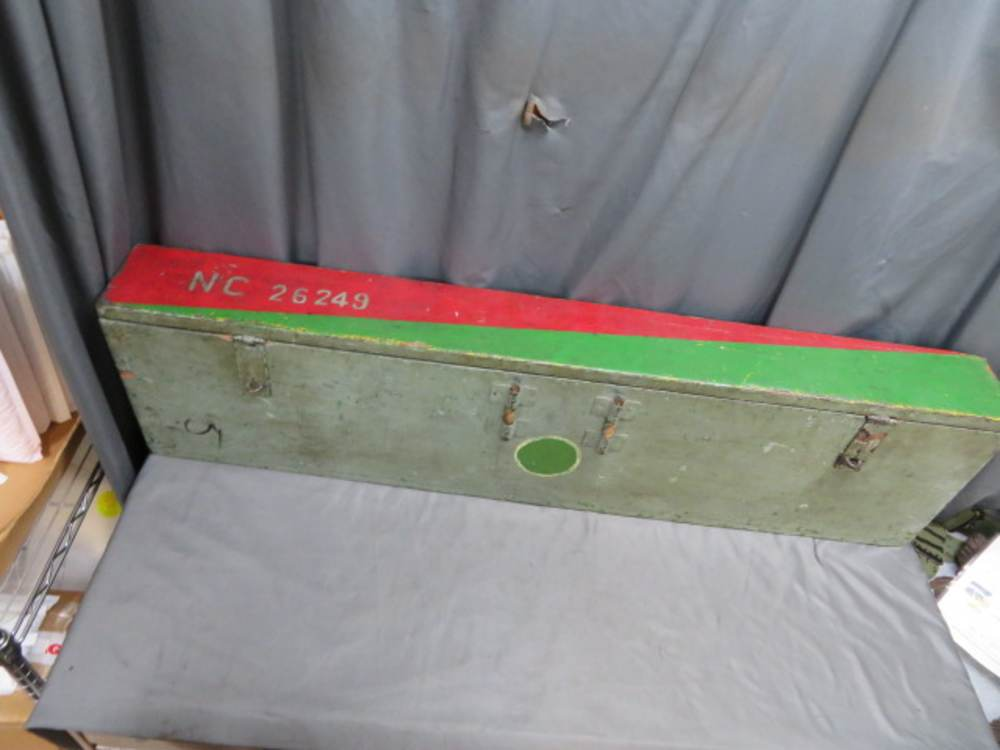
British No. 4 Mk I (T) Lee-Enfield Sniper Rifle, photograph 1
British No. 4 Mk I (T) Lee-Enfield Sniper Rifle, view 1. Photo property of Eisel Armory.

Selected infantry rifles, specialist workshops and a service life beyond the Second World War

The British No. 4 Mk I (T) began with accurate No. 4 rifles selected for conversion into sniper equipment. Early examples included Enfield trials rifles. Published historian Steve Houghton describes the pattern as first emerging in 1941, while specialist Ian McCollum dates its formal introduction to February 1942. These accounts describe emergence and formal introduction respectively.

What conversion changed

The conversion retained the .303-inch bolt-action rifle while adding scope bases, a No. 32 telescope and a raised wooden cheekpiece. The battle-sight aperture was ground away to clear the telescope bell. A National Army Museum example carries a No. 32 Mk I telescope, documenting one configuration without establishing that every rifle retained that telescope version. Selection for accuracy and the fitting of optical equipment distinguished the sniper pattern from an ordinary infantry No. 4.

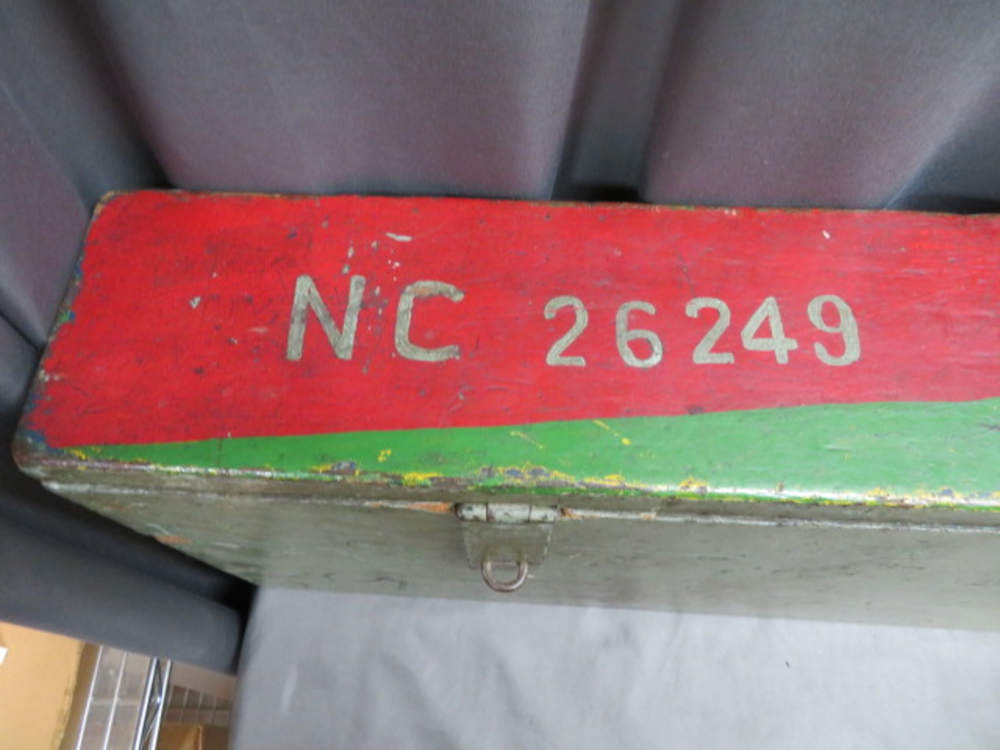
British No. 4 Mk I (T) Lee-Enfield Sniper Rifle, photograph 2
British No. 4 Mk I (T) Lee-Enfield Sniper Rifle, view 2. Photo property of Eisel Armory.

Makers and workshops

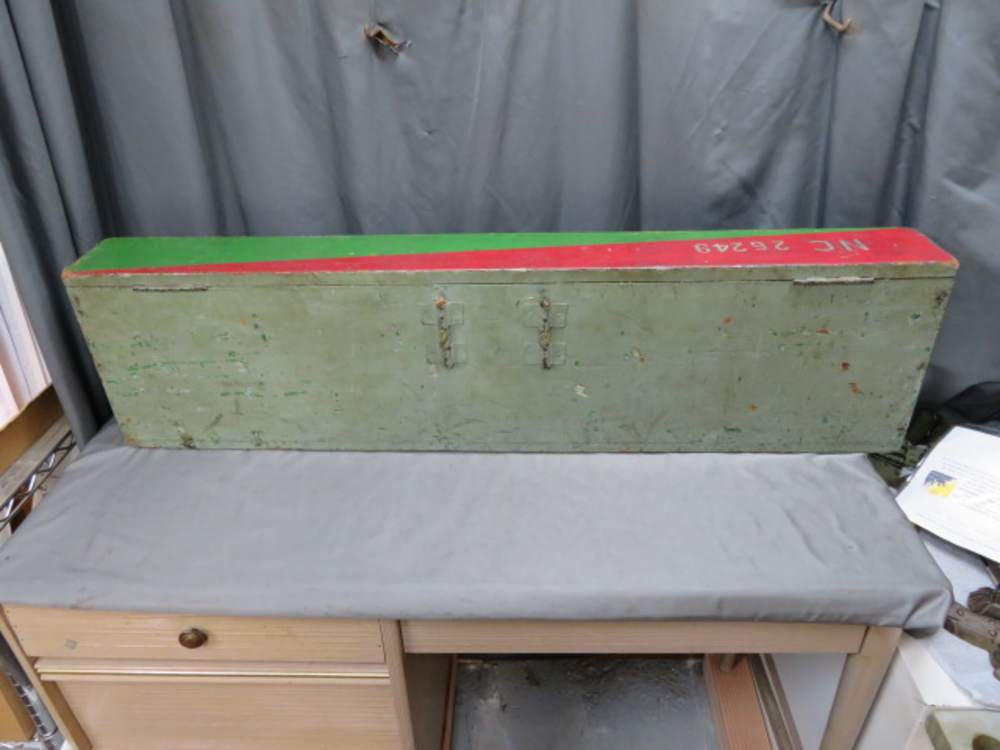
British No. 4 Mk I (T) Lee-Enfield Sniper Rifle, photograph 3
British No. 4 Mk I (T) Lee-Enfield Sniper Rifle, view 3. Photo property of Eisel Armory.

Original manufacture and sniper conversion were separate stages. The Australian War Memorial documents a rifle made by BSA at Shirley and subsequently converted by Holland & Holland. Collector researcher Colin MacGregor Stevens describes conversion work at RSAF Enfield in 1941–1942, Holland & Holland in 1942–1946, and Canada's Long Branch operation in 1942–1946. His account identifies BSA as the principal supplier of Holland & Holland donor rifles and also documents Stevens-Savage donors. Those workshop dates and the Canadian sequence rest on his collector reference.

Allied and postwar service

British and Canadian forces used the family on the Allied side during the Second World War. Its history continued after that conflict: Houghton describes the .303 No. 4 Mk I (T) remaining available and being issued during postwar deployments, including the Aden Emergency and the Northern Ireland context, before the early-1970s transition. A limited account of its later civilian distribution comes from Stevens, who reports North American surplus distribution and surplus dealers selling rifles with mismatched telescope assemblies. That account does not establish a United States import chronology.

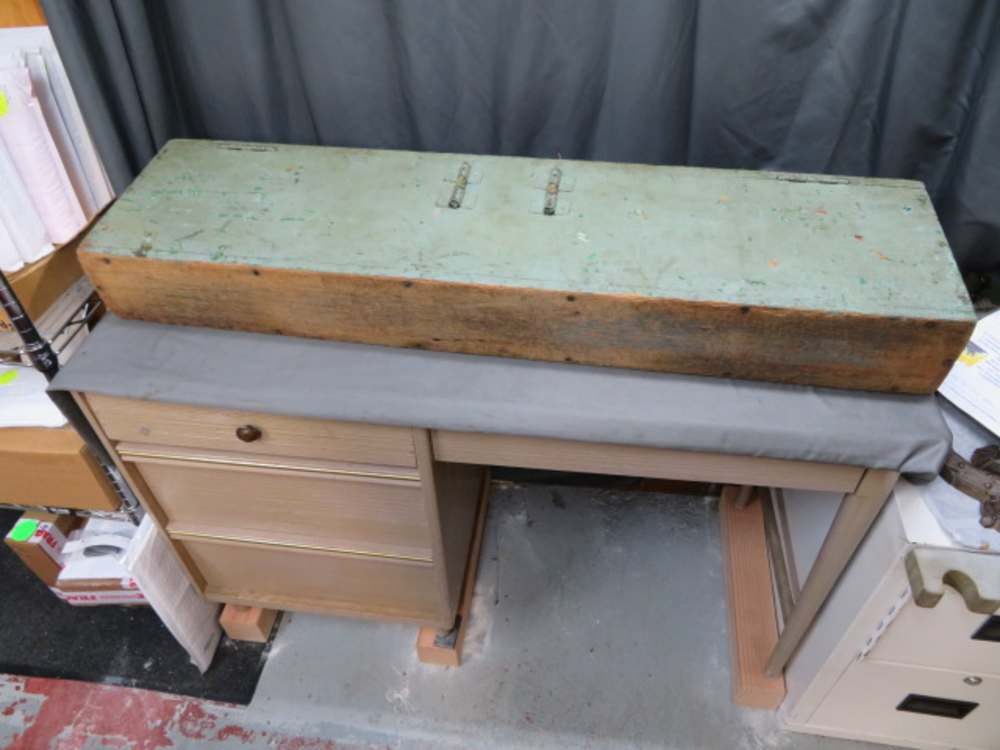
British No. 4 Mk I (T) Lee-Enfield Sniper Rifle, photograph 4
British No. 4 Mk I (T) Lee-Enfield Sniper Rifle, view 4. Photo property of Eisel Armory.

Related patterns and successors

British No. 4 Mk I (T) Lee-Enfield Sniper Rifle, photograph 5
British No. 4 Mk I (T) Lee-Enfield Sniper Rifle, view 5. Photo property of Eisel Armory.

The ordinary No. 4 Mk I was the donor pattern, and the Mk I* (T) was a related sniper variant with a distinct designation. Stevens also distinguishes completed sniper sets from rifles described as “T. LESS TELESCOPE” and later assemblies with unrelated or reproduction optics. The later L42A1 was a 7.62 NATO conversion generally made from No. 4 (T) rifles. The Australian War Memorial places its British service from the early 1970s into the late 1980s, including the 1982 Falklands War. That campaign belongs to the successor's history.

Reading the surviving evidence

According to Stevens, TR indicates selection for telescopic conversion, S an iron-sight check, S51 Holland & Holland's code, and T completed conversion. He also documents telescope numbers on the butt wrist and cancelled numbers after service replacement. These features must be read together: a telescope and cheekpiece alone do not prove completed military sniper conversion. Selected rifles, workshop alterations and replacement markings give collectors a material record of sniper development. For supplementary identification reading, the Collector's Library offers the broader Lee-Enfield Identification Guide: Maker Codes, Marks & Import Stamps, which includes a No. 4 Mk I (T) markings note.
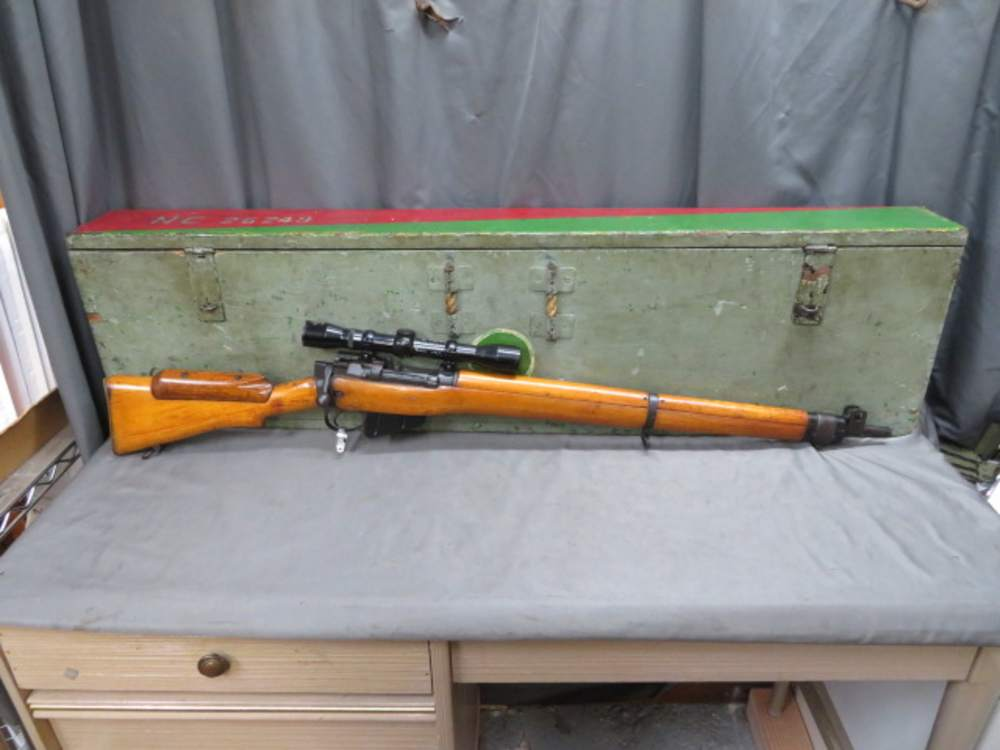
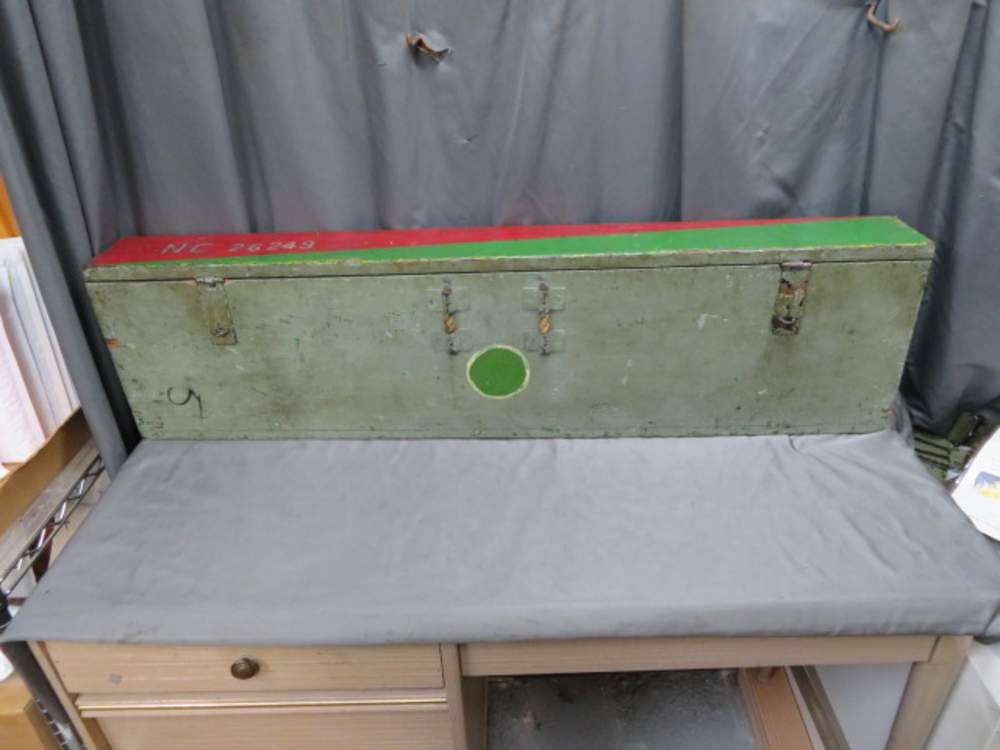
British No. 4 Mk I (T) Lee-Enfield Sniper Rifle, photograph 6
British No. 4 Mk I (T) Lee-Enfield Sniper Rifle, view 6. Photo property of Eisel Armory.
×