An Ottoman Choice
An Ottoman contract at the turning point between black powder and smokeless ammunition
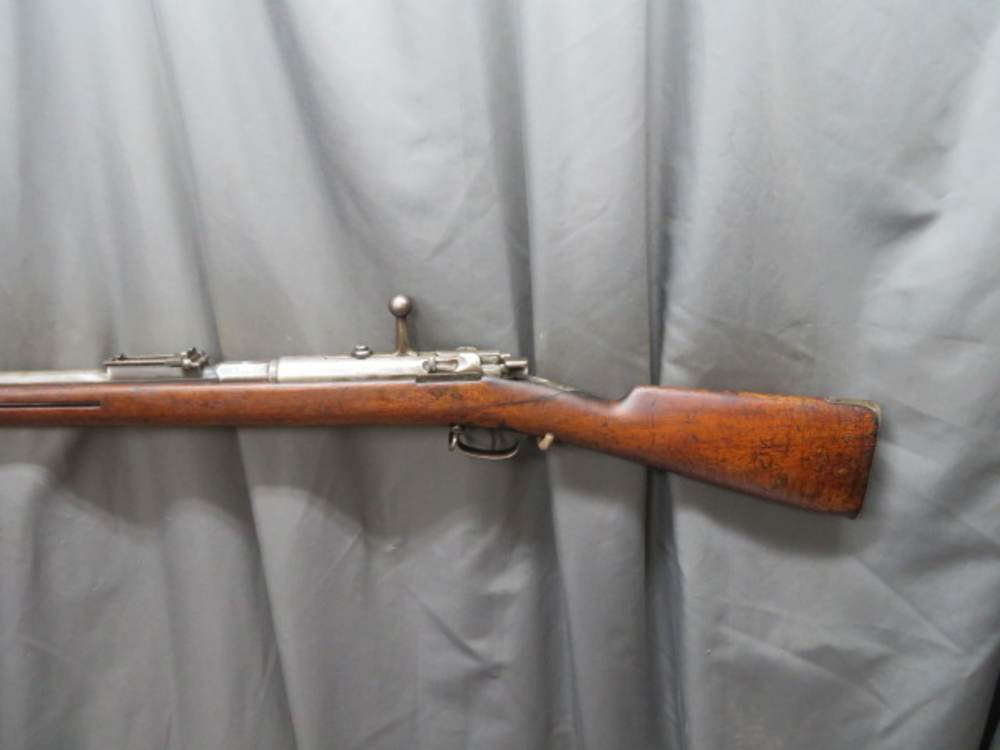
The Ottoman Mauser Model 1887 grew from the German Gewehr 71/84, adapted for an Ottoman contract. Trials at Constantinople in December 1886 compared Mauser, Martini-Henry, Mannlicher and Hotchkiss designs. The Mauser was selected in February 1887, beginning a procurement program that soon encountered another change in rifle technology.
The selection belongs to a specific Ottoman story. Although the rifle came from Germany, its intended purchaser was the Ottoman army. Its German ancestry and manufacture should not be confused with German military adoption of this particular model.
Building the Contract
Mauser manufactured the Ottoman rifles at Oberndorf, Germany. The contract prompted factory expansion, including a dedicated “Turkish Building” that accommodated Ottoman officials. That arrangement placed the customer’s representatives within the manufacturing operation described by the company history.
W. H. B. Smith records an initial order for 500,000 rifles and 50,000 carbines through Ludwig Loewe & Company, with Mauser and Loewe sharing the order equally. Those figures describe the order, not completed Model 1887 production. Loewe’s contractual role alone does not establish that it physically manufactured these rifles.
The Mechanism Beneath the Wood
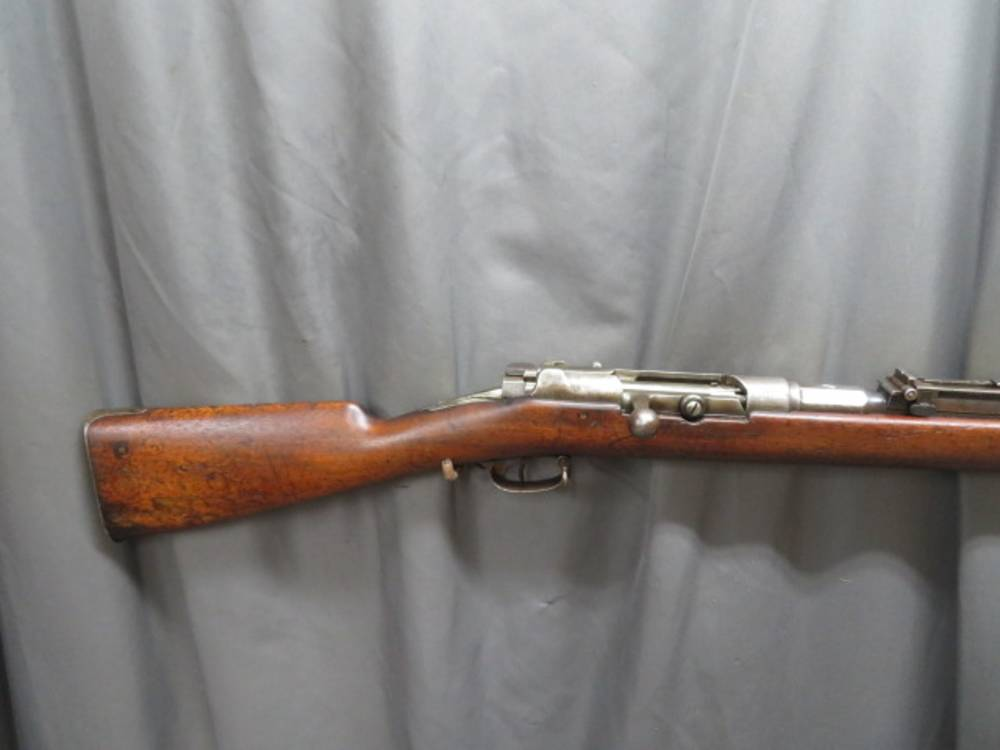
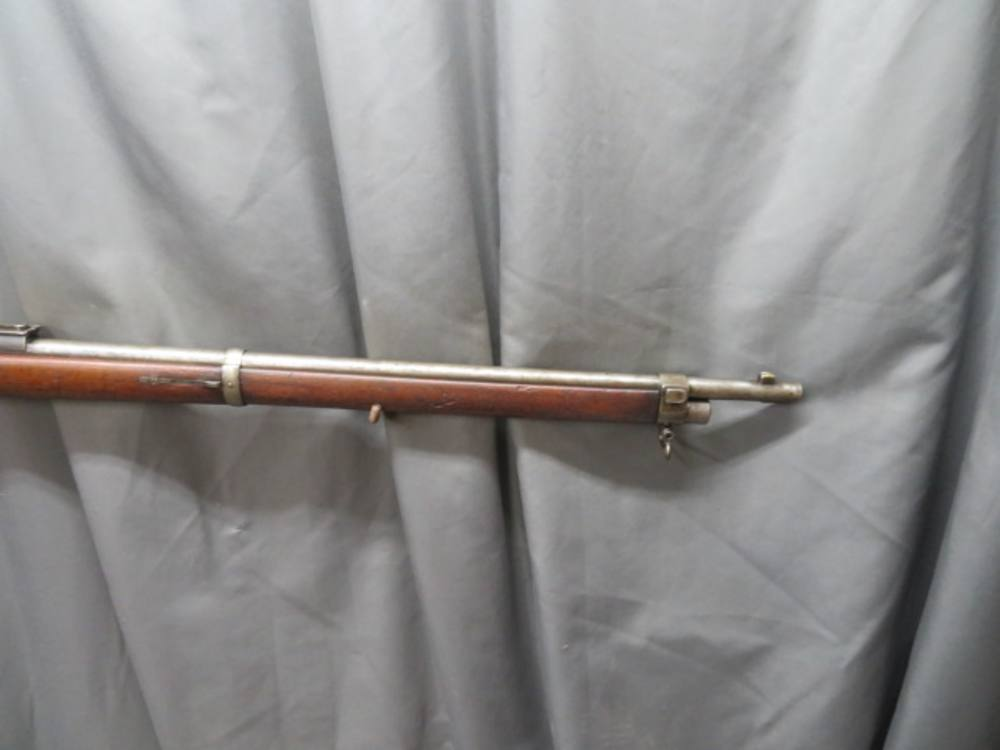
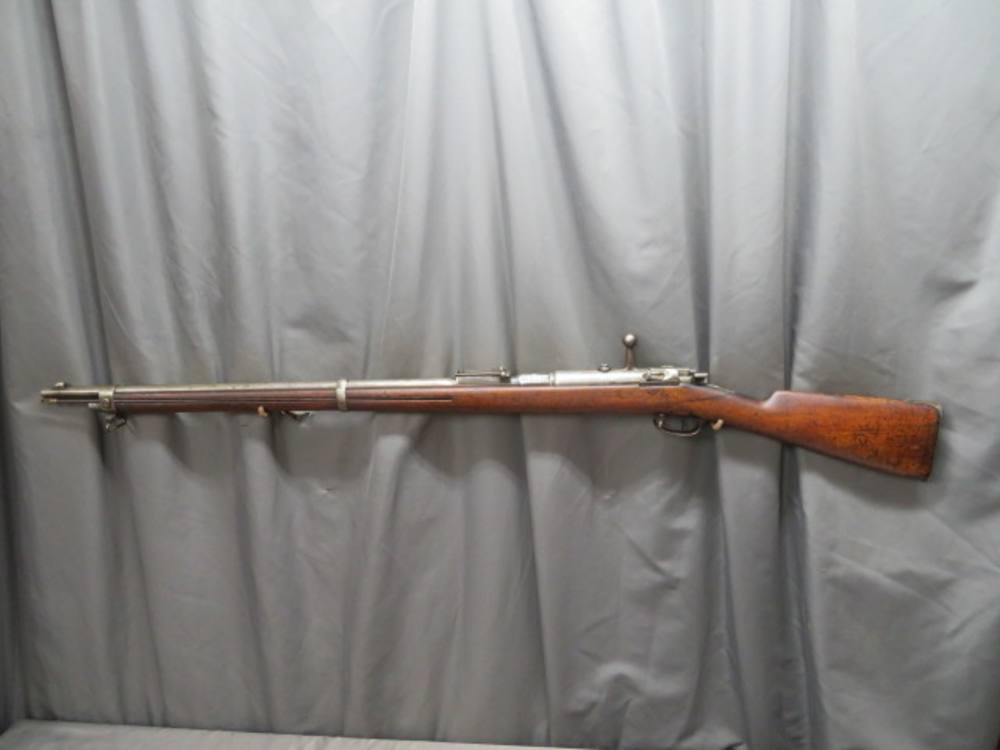
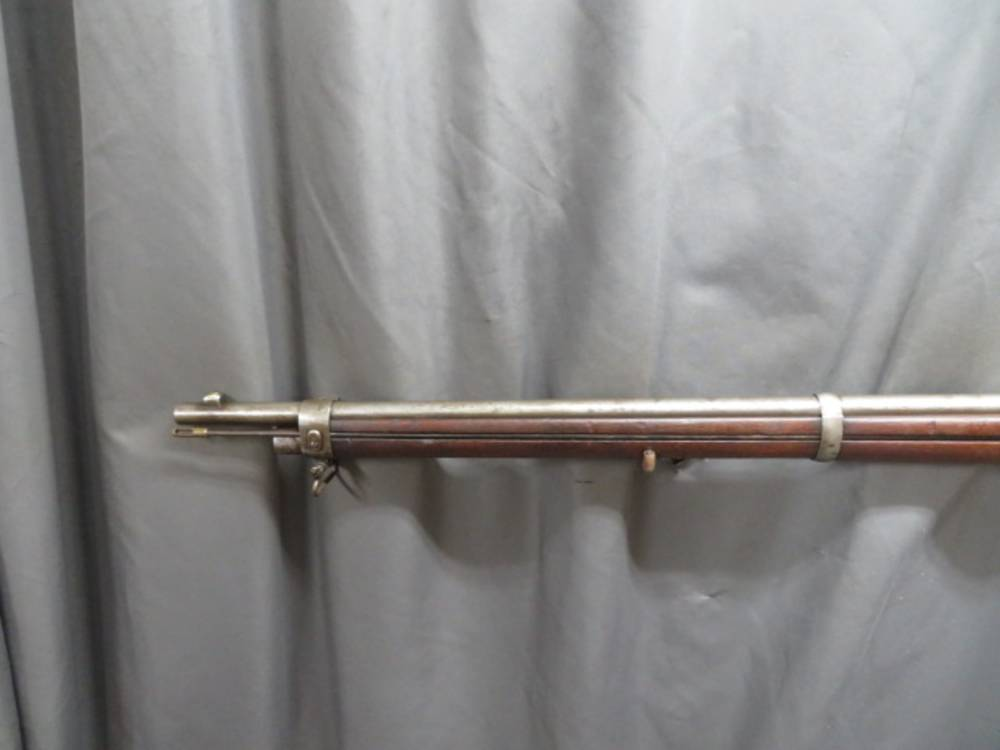
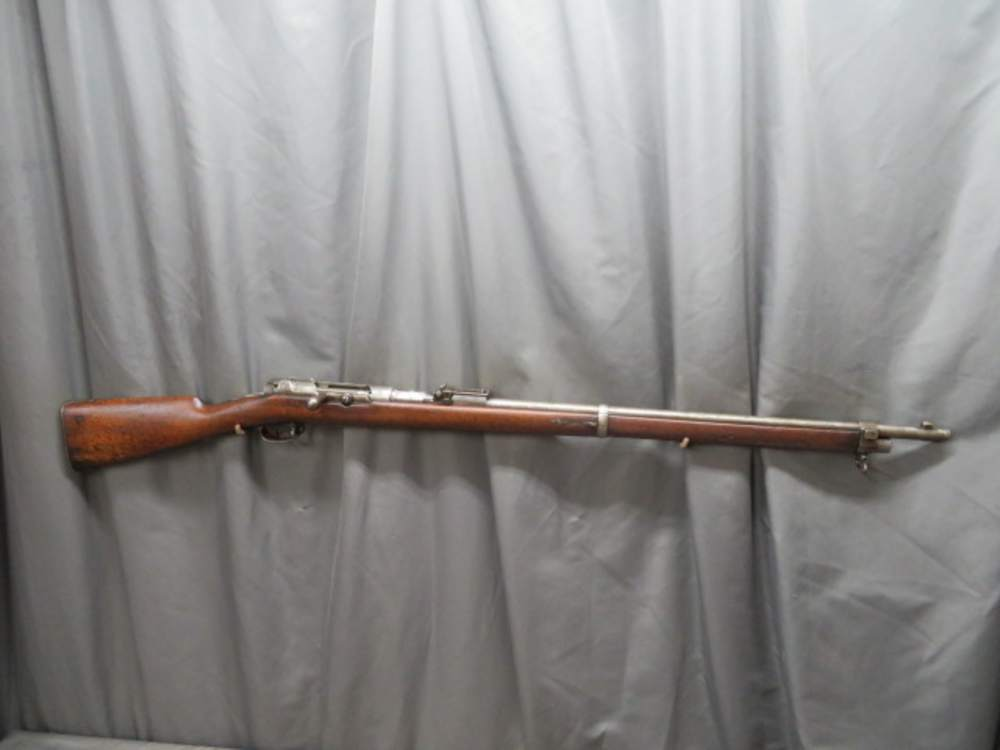
The Model 1887 is a bolt-action repeating rifle with a tubular magazine beneath the barrel. It uses the rimmed 9.5×60mmR black-powder cartridge. That combination places its mechanical ancestry with the German 71/84, giving it a different magazine arrangement from the later Ottoman Mausers fitted with box magazines.
For a first-time viewer, the magazine layout is a useful starting point for understanding the family. The Model 1887’s identity rests on that combination of bolt action, ammunition and tube magazine, rather than on the broad “Turkish Mauser” label alone.
Ottoman Holdings
An Ottoman inventory reported by historian Julian Bennett lists 220,000 Model 1887 rifles and 4,000 carbines in 1896. These figures document reported holdings at that date. They do not independently establish the total number manufactured, a complete delivery schedule or the family’s serial-number ranges.
The inventory also confirms that the associated carbine belonged to Ottoman holdings alongside the rifle. Keeping the two forms in view helps describe the contract family without treating every shortened rifle as an original Model 1887 carbine.
Cousins and Successors
The German Gewehr 71/84 is the direct comparison for the Model 1887’s tube-magazine layout. Its later Ottoman cousins show a changing design lineage: the Model 1890 drew on the Belgian Model 1889, the Ottoman 1893 followed Spanish-pattern development, and the Ottoman 1903 was closely related to the Gewehr 98.
In 1890, the Ottomans redirected the remaining order toward the Model 1890, which combined a box magazine with smokeless ammunition. Accounts differ in their description of the contractual mechanism, but agree on the transition. The original order therefore cannot serve as a completed-production total for the Model 1887.
Why Collectors Study It
The Model 1887 offers collectors a concrete way to follow the development of Mauser mechanisms and Ottoman procurement. Its tube magazine and black-powder cartridge belong to the documented design that preceded the Ottoman move toward smokeless, box-magazine rifles.
Studying it beside the 71/84 and the Ottoman Model 1890 makes that transition easier to see. The family’s significance lies in these identifiable relationships: a German parent design, an Ottoman adaptation and a successor that changed both ammunition and magazine arrangement.