From Cosmopolitan to Gwyn & Campbell
A Hamilton-made percussion breechloader shaped by Civil War procurement and an evolving design
Edward Gwyn and Abner C. Campbell manufactured their carbines in Hamilton, Ohio. Their earlier Cosmopolitan Arms enterprise built the Cosmopolitan, the direct predecessor of the Gwyn & Campbell. Published secondary research credits Henry Gross with designing and patenting the original Cosmopolitan in 1859, followed by Gwyn and Campbell’s patented simplification of its breech mechanism. The later carbine retained the general appearance while changing the breechblock linkage. Accounts differ on the timing of the company’s name change and restructuring, so a single definitive reorganization date remains uncertain.
Federal Purchases During the Civil War
Published collector research records federal Ordnance purchases of 8,202 Gwyn & Campbell carbines: 4,200 Type I delivered in 1863 and 4,002 Type II in 1864. These figures describe government procurement, rather than an independently established total of factory production. The distinction matters because the NRA Museum gives a rounded manufacturing figure of approximately 8,200 for 1863–1864. The documented acquisition story is domestic: Ohio manufacture supplying the United States government. Type II’s place in that story rests on its recorded 1864 deliveries.
Service Across Both Sides
At the family level, Type I and Type II carbines went to Union cavalry from Arkansas, Illinois, Indiana, Iowa, Kansas, Kentucky, Missouri, Ohio, Tennessee and Wisconsin. Captured weapons from the family also served Confederate formations, including units from Mississippi, Texas and Tennessee. Those combined records do not separate Type II distribution. Another distinction concerns the 6th Illinois Cavalry’s participation in Grierson’s April–May 1863 raid: the carbines associated with that episode were Cosmopolitans. That predecessor’s service should not become a Type II battle history.
An Exposed Barrel and a Changing Mechanism
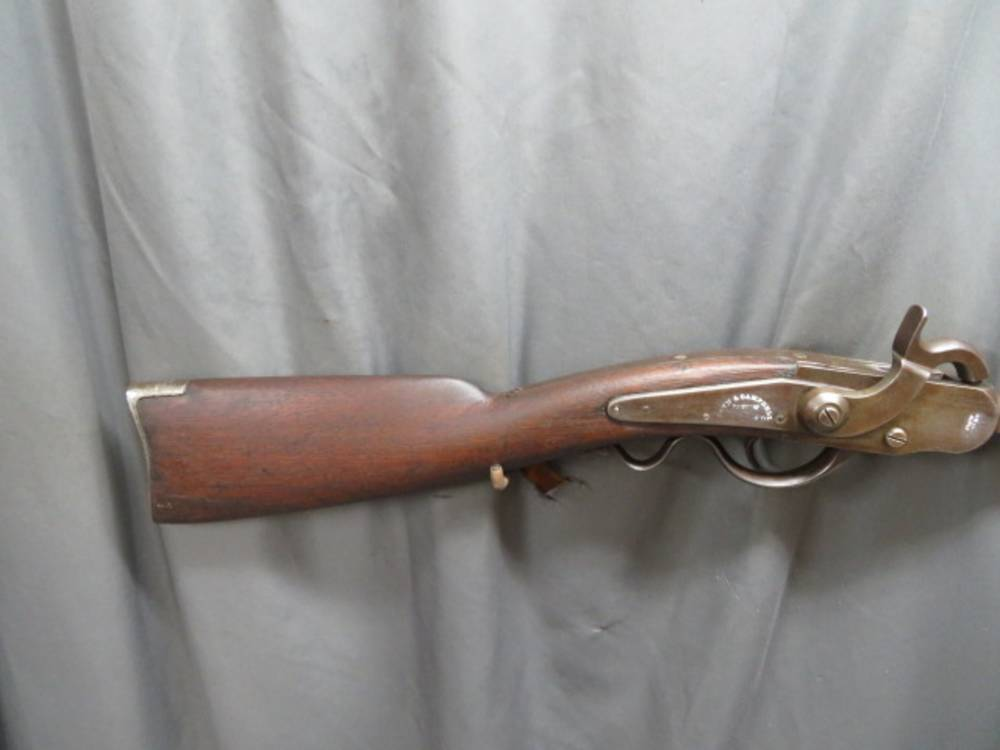
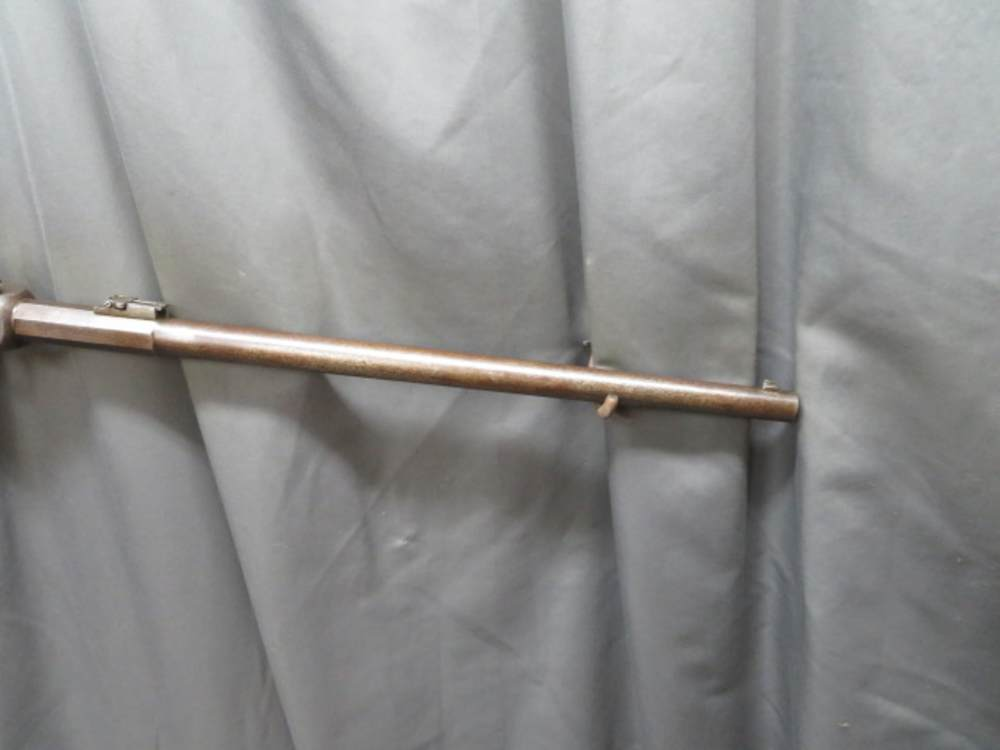
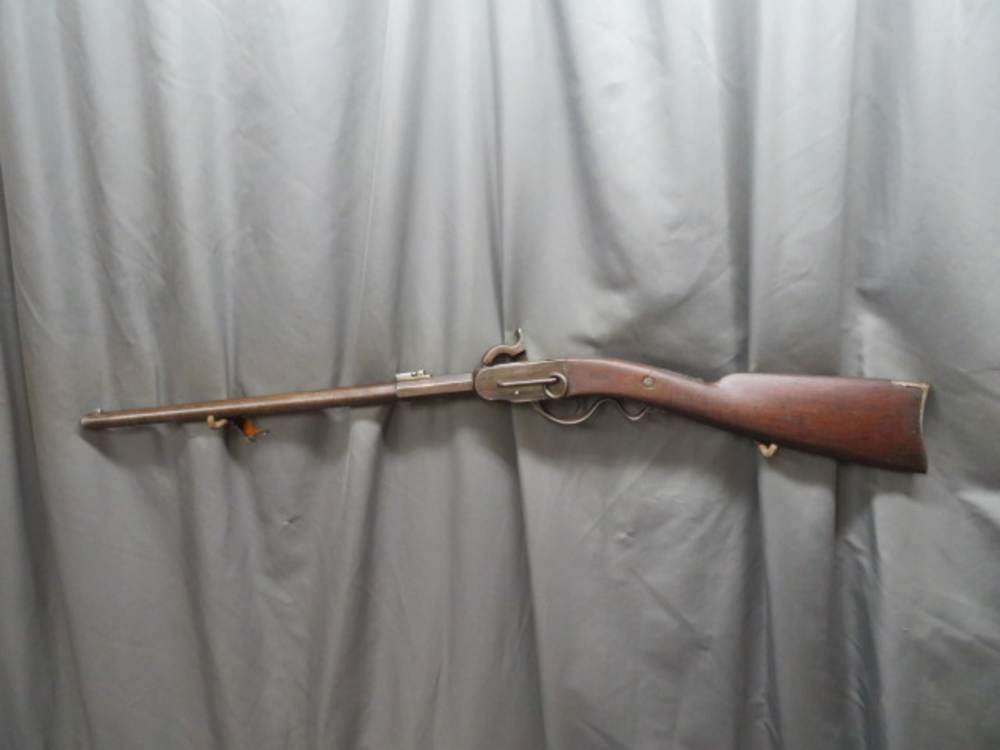
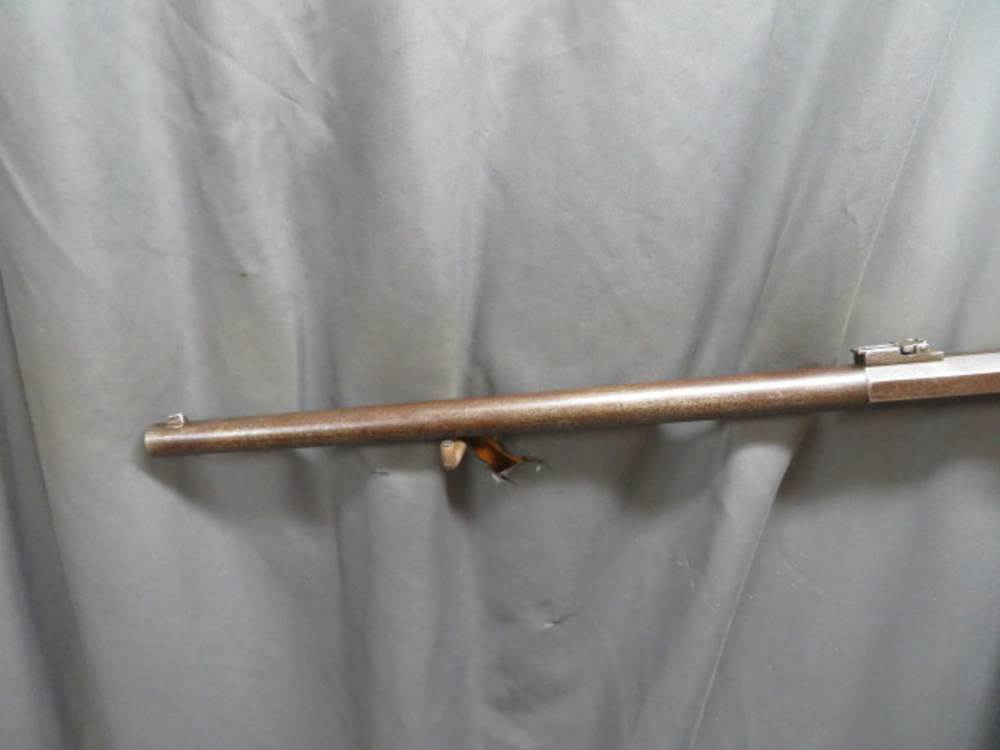
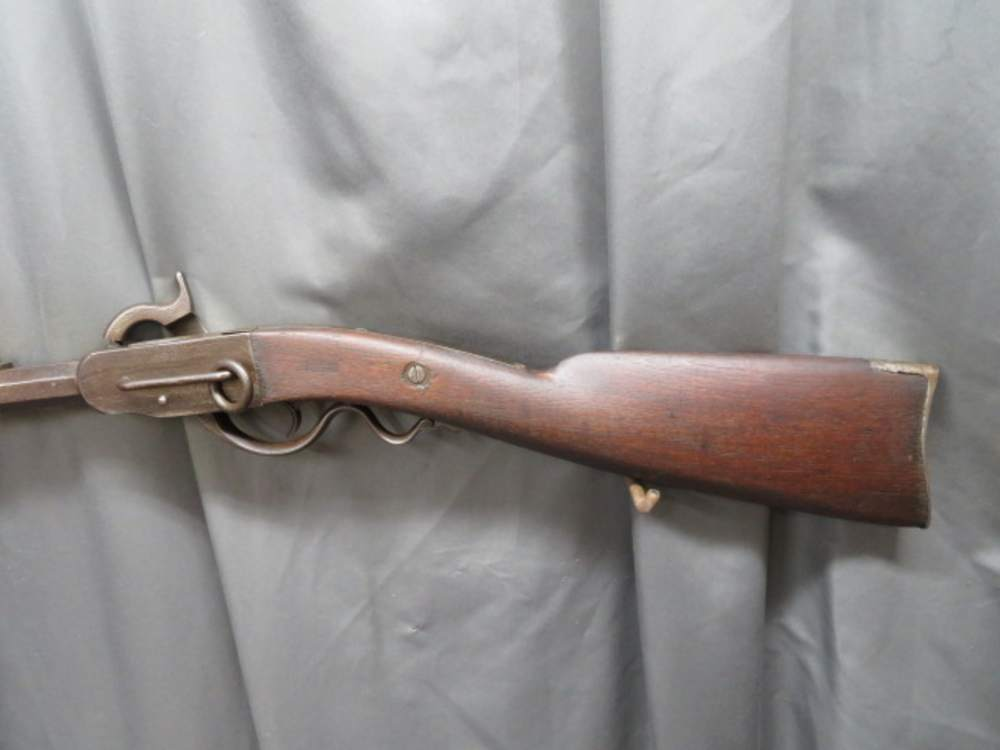
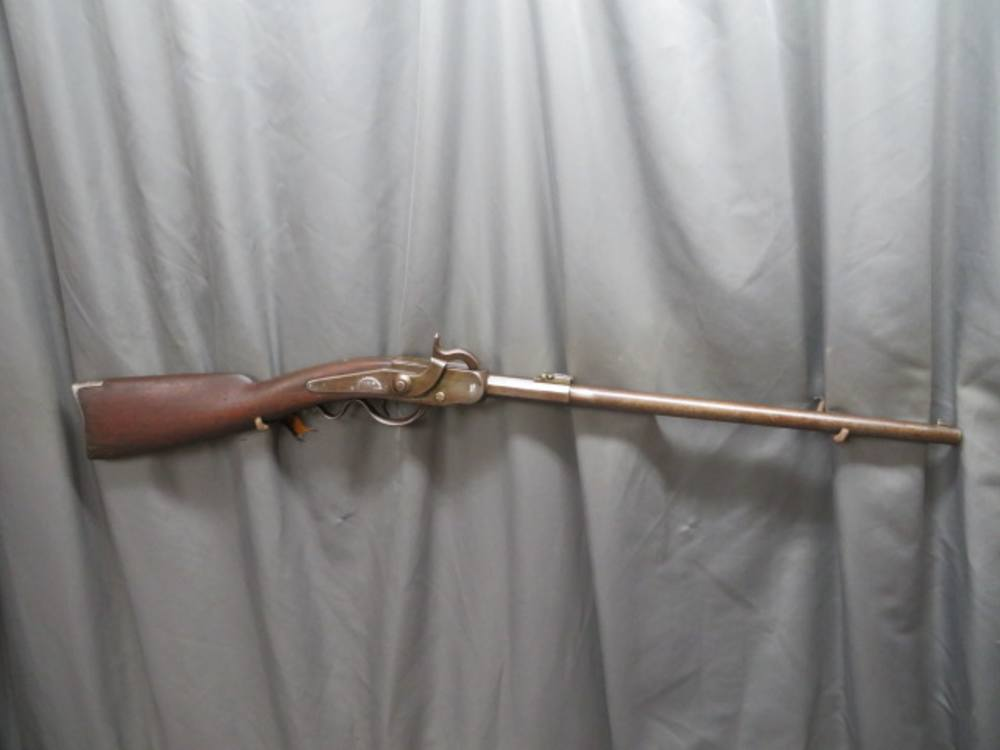
The Gwyn & Campbell is a single-shot percussion breechloader, normally described as .52 caliber, using combustible paper or linen cartridges. Its exposed barrel has no wooden forearm, giving the family a distinctive appearance. Compared with Type I, Type II has less winding hammer and lever contours. Published classification also distinguishes the direction of lockplate screws: entering from the right on Type I and the left on Type II. Variations in levers, latches and sights further complicate identification, making the broad Type II designation only a starting point.
Cousins, Nicknames and Conflicting Assessments
The Cosmopolitan is the direct predecessor, while Type I provides the closest comparison within the later Gwyn & Campbell family. Union, Grapevine and Monkeytail are recorded alternative names; a nickname alone cannot settle identification. Published assessments of performance also differ. Garry James reports field complaints, particularly gas leakage at the breech, while Forgotten Weapons characterizes the family as reliable. These retrospective accounts support a qualified description of performance, rather than a blanket verdict covering every carbine in the family.
What Collectors Can Learn
The ASAC study argues that most Type II carbines remained unissued and connects that interpretation with preserved examples. Condition therefore cannot establish combat service. For collectors, the exposed-barrel form, development from the Cosmopolitan and variations in operating parts offer reasons to study the family closely. Its significance lies in those visible design changes and the documented federal procurement story. Comparing related models while keeping family service separate from Type II evidence helps explain this Ohio-made carbine without assigning an unsupported history to any individual example.