A Mauser Pattern Introduced in 1934
A small-bore pattern shaped by Germany’s training system and distinguished by more than its markings
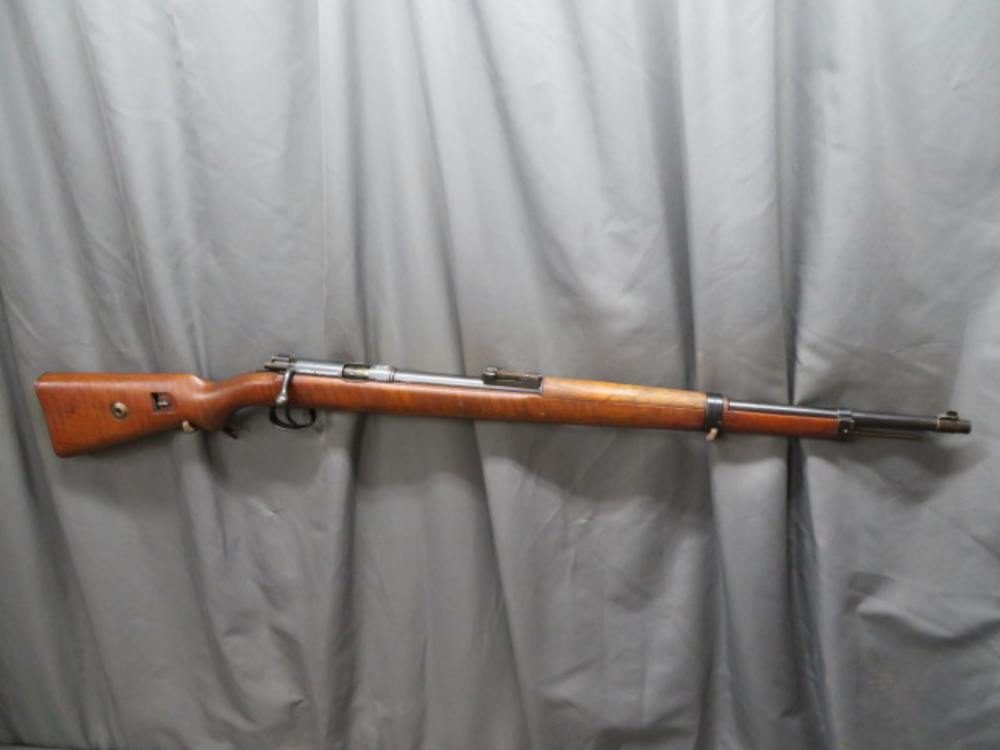
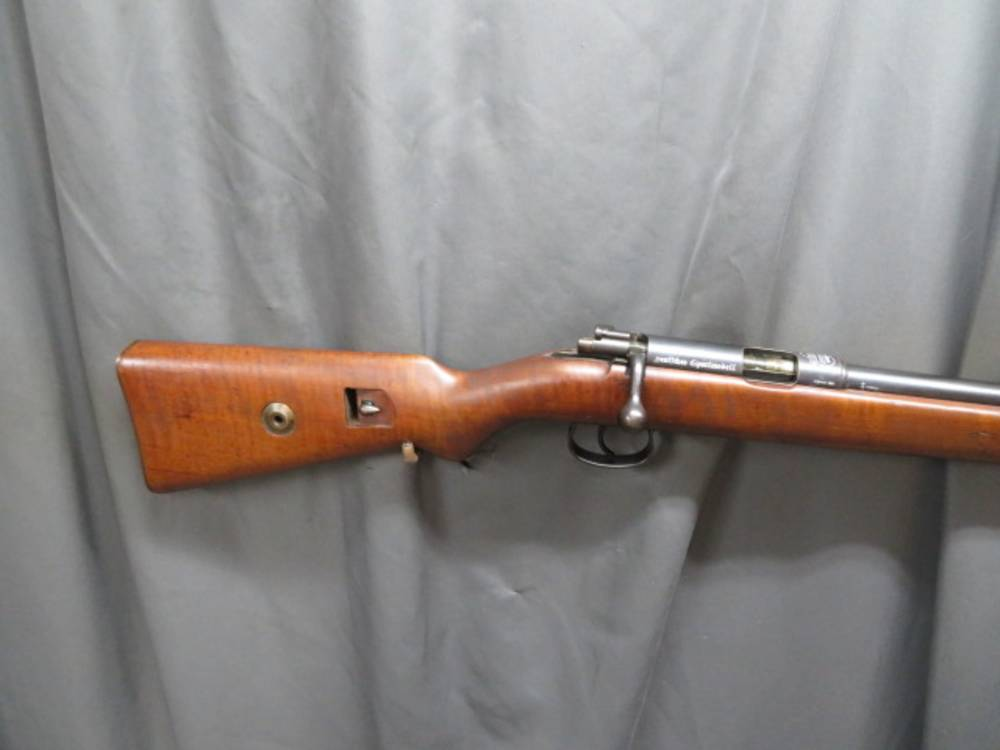
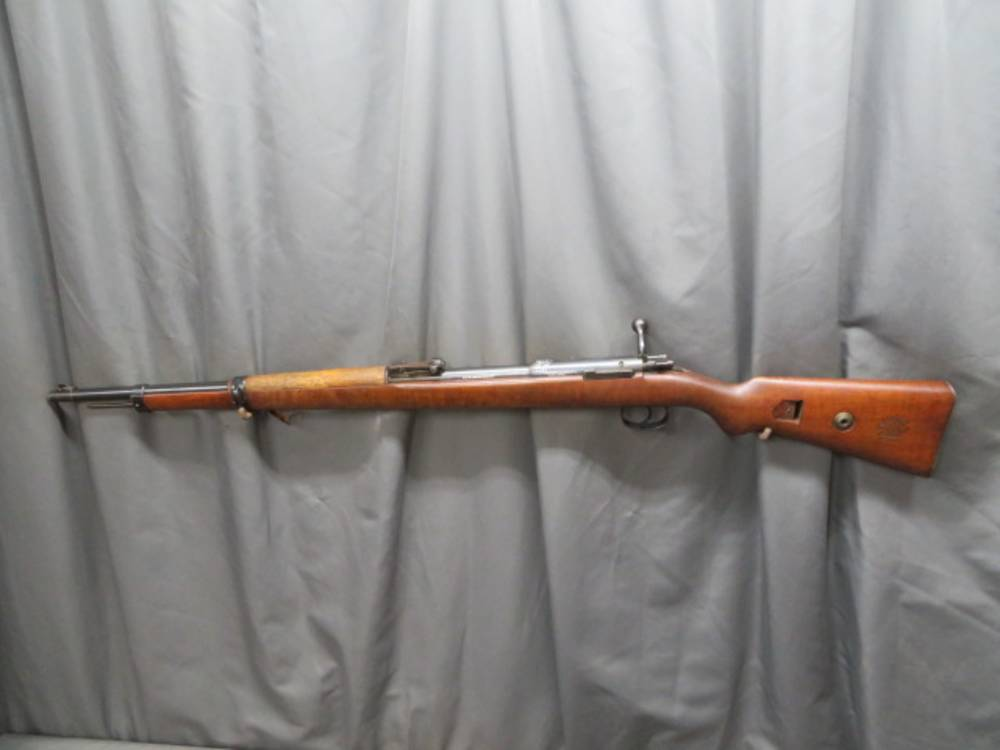
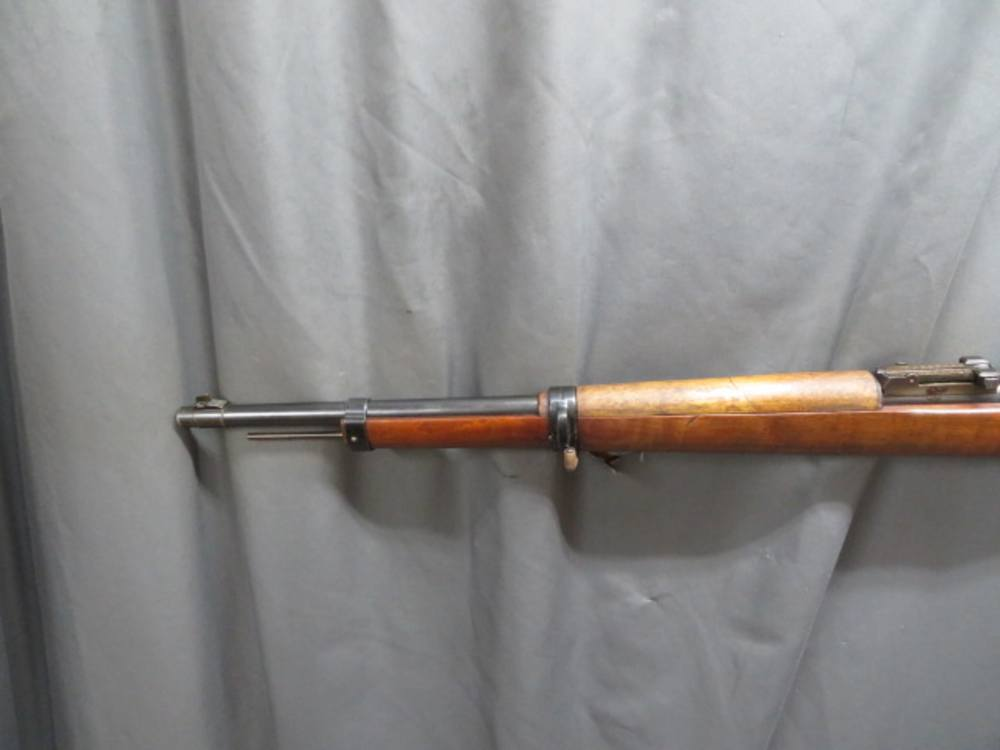
The German DSM 34 brought service-rifle styling to a bolt-operated rifle chambered for .22 Long Rifle. Introduced in 1934, the pattern is associated with Mauser, whose design became the basis for production by multiple makers. Those basic features establish its identity: a particular German training-rifle pattern.
Training in Nazi Germany
The DSM belongs within the military, paramilitary, party and youth training efforts of Nazi Germany. That setting gives the rifle historical significance beyond its mechanism: it connects marksmanship with the wider training system of the period. The sources cited here support this broad context, but do not establish issue to a particular military unit or battlefield employment. A model identification alone therefore cannot tell a collector which organization held an individual rifle, or how that rifle was used.
Multiple Makers and Attribution
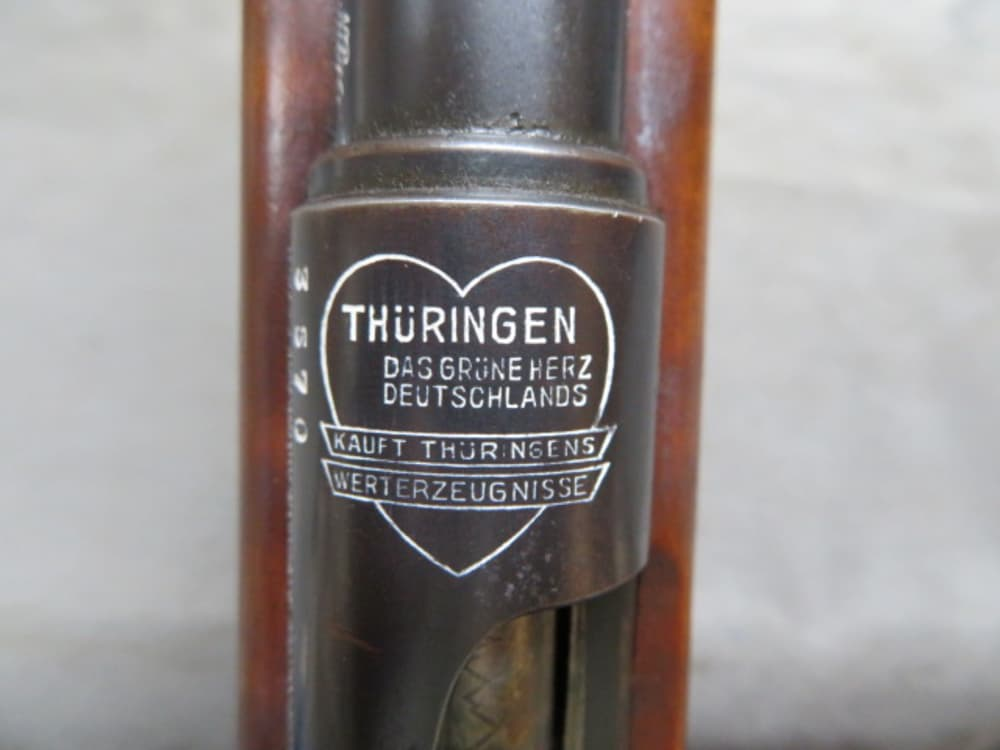
Although the design is associated with Mauser, DSM production was not confined to that company. Specialist accounts describe multiple makers, making attribution an essential part of understanding the family. The Historic Arms Resource Centre attributes its illustrated Geco-marked example to Gustav Genschow & Co.
Recognizing the Pattern
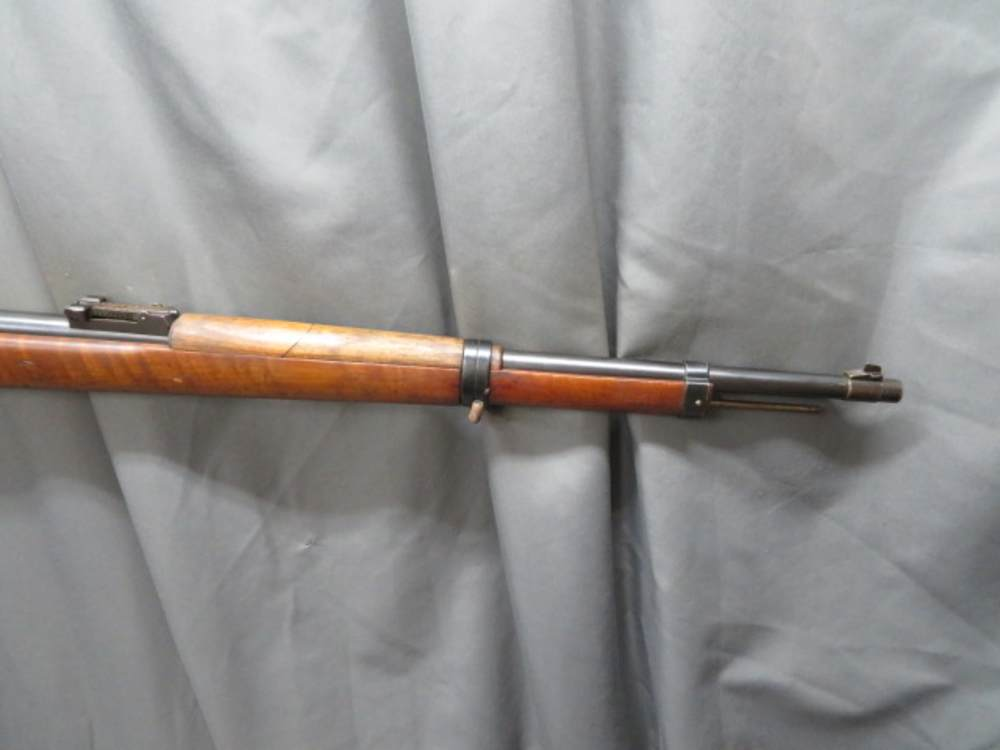
Resemblance alone is insufficient for identification. Manufacturers also offered independent military-style .22 rifles, so every German small-bore rifle with that appearance should not be classified as a DSM or KKW. Details must be considered within the particular pattern. The Historic Arms Resource Centre’s illustrated DSM has a tangent rear sight graduated from 25 to 200 metres; that documents the illustrated configuration rather than establishing a universal specification for every maker.
The Later KKW
The later KKW offers a useful comparison because the two patterns share a place in the German training-rifle story. A clear distinction concerns the bayonet: the DSM cannot mount one, while the KKW provides for one. The comparison is most useful as an identification aid, helping separate related training patterns without reducing them to interchangeable names.
Why the DSM Still Matters
For collectors, the DSM links sporting marksmanship, German paramilitary preparation and the practical challenge of identifying rifles made under more than one name. Its identity also remains recognized in organized historic-rifle shooting: the French Shooting Federation’s 2025–2026 TAR regulations list MAUSER DSM 34 separately from MAUSER KKW, MAUSER 45 and MAS 45. That present-day listing does not establish French wartime use. It reinforces the value of treating the DSM as a distinct pattern whose context, construction and markings deserve careful attention.