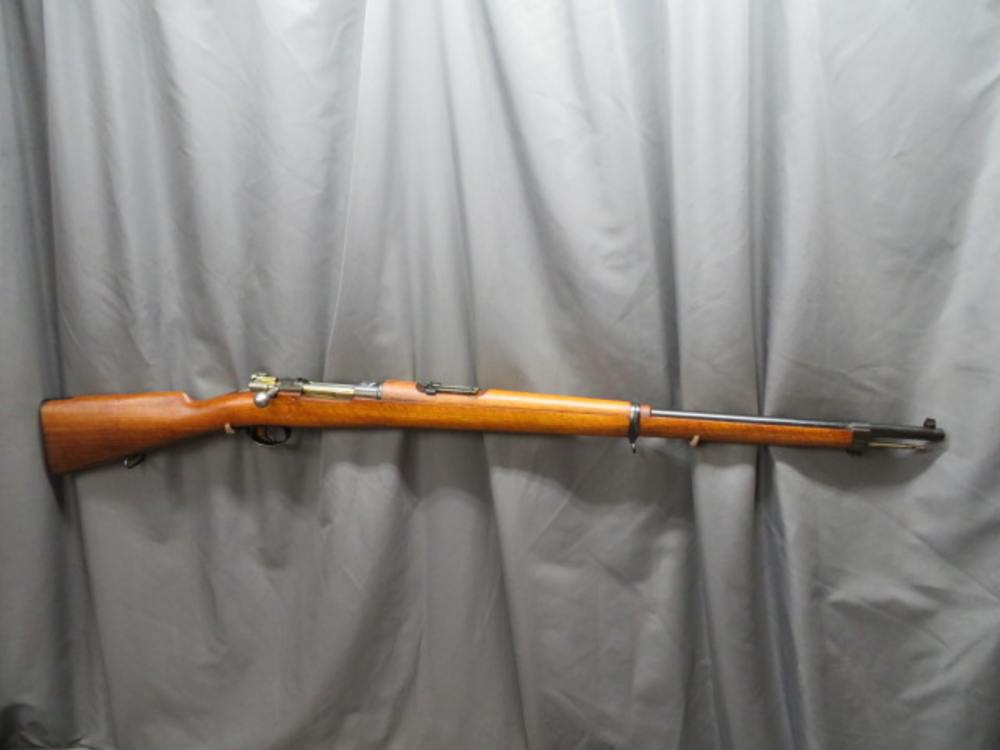
A Small-Ring Mauser That Set Chile's Service Rifle Standard
Chile adopted the Modelo 1895 in 1895 as its standard infantry rifle, chambered for the 7x57mm Mauser cartridge that would go on to arm several Latin American militaries. It replaced older single-shot and early repeating rifles with a modern smokeless-powder bolt action, giving the Chilean Army a magazine rifle competitive with contemporary European service arms. The 1895 remained in Chilean service, in various forms, well into the twentieth century, alongside shorter carbine variants issued to cavalry and specialist troops.
Who Built It
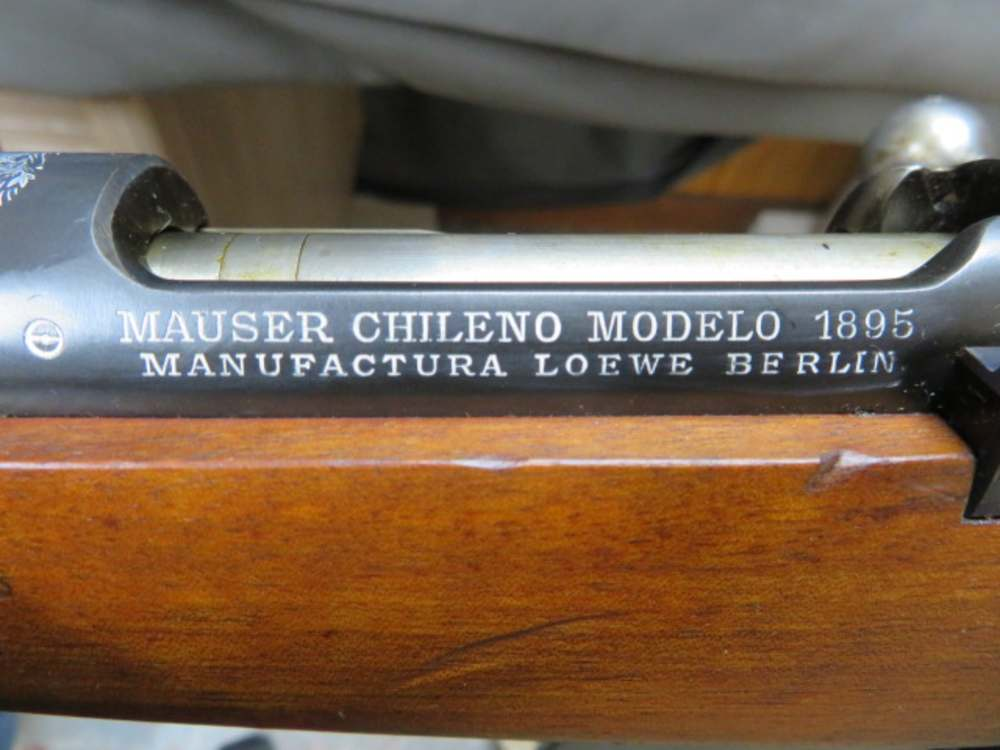
The Modelo 1895 is a "small-ring" Mauser action, a direct descendant of Paul Mauser’s Model 1893 developed for Spain, itself building on the earlier Belgian Model 1889 and German Gewehr 1888 improvements. It introduced the now-familiar staggered-column box magazine sitting flush within the stock, loaded from stripper clips, along with a strong non-rotating claw extractor. Chile’s rifles were manufactured in Germany, chiefly by Ludwig Loewe & Co. of Berlin, whose firm was folded into the newly formed Deutsche Waffen- und Munitionsfabriken (DWM) in 1896 — so later production runs often carry DWM markings instead. Exact contract quantities aren’t well documented publicly, though Chile is understood to have ordered rifles and shorter carbines across multiple contracts into the early 1900s.
Countries and Sides
Chile fielded the Modelo 1895 as its principal infantry rifle for decades, and it remained part of national armory and reserve stocks long after newer designs appeared elsewhere. The same small-ring action, chambered in 7x57mm, was adopted in only slightly different form by several other nations courting German arms makers in the 1890s, tracing back to Spain’s original Model 1893 pattern that started the lineage. Documentation of individual Chilean rifles seeing combat is thin, and any claim of specific battlefield service should be read as general historical context rather than a documented record for one particular gun.
Coming to the US
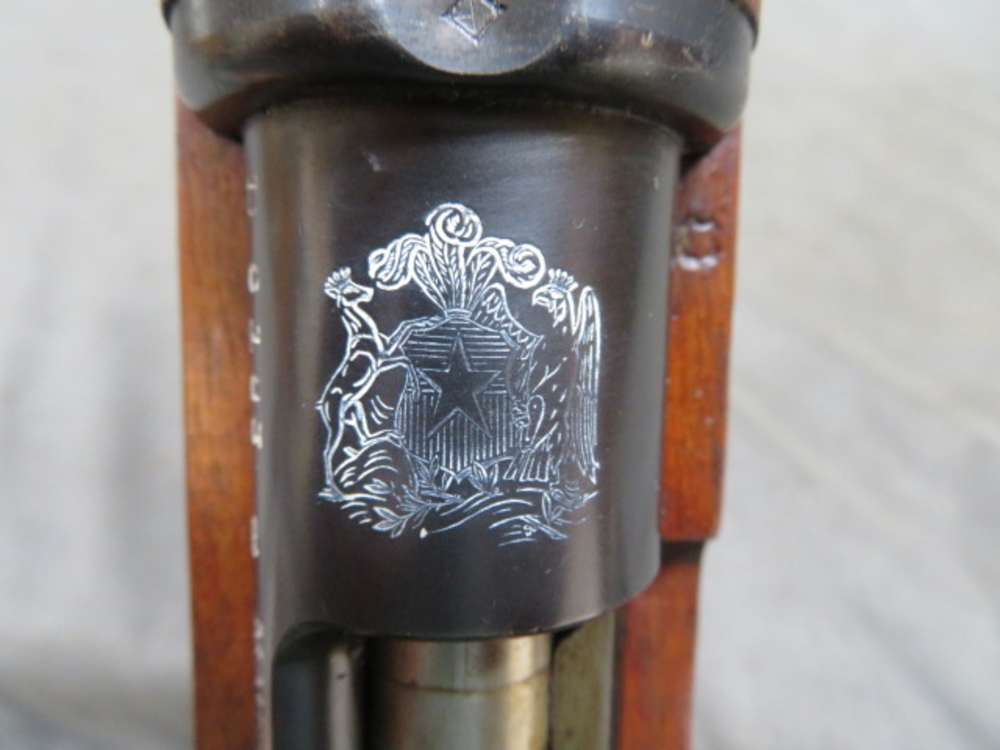
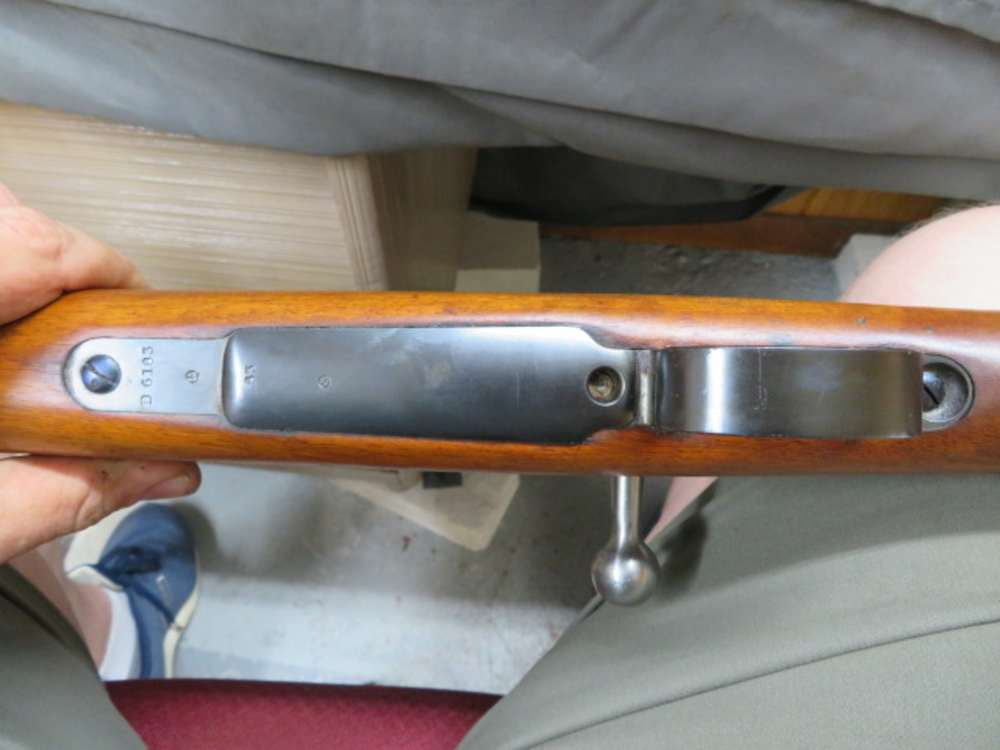
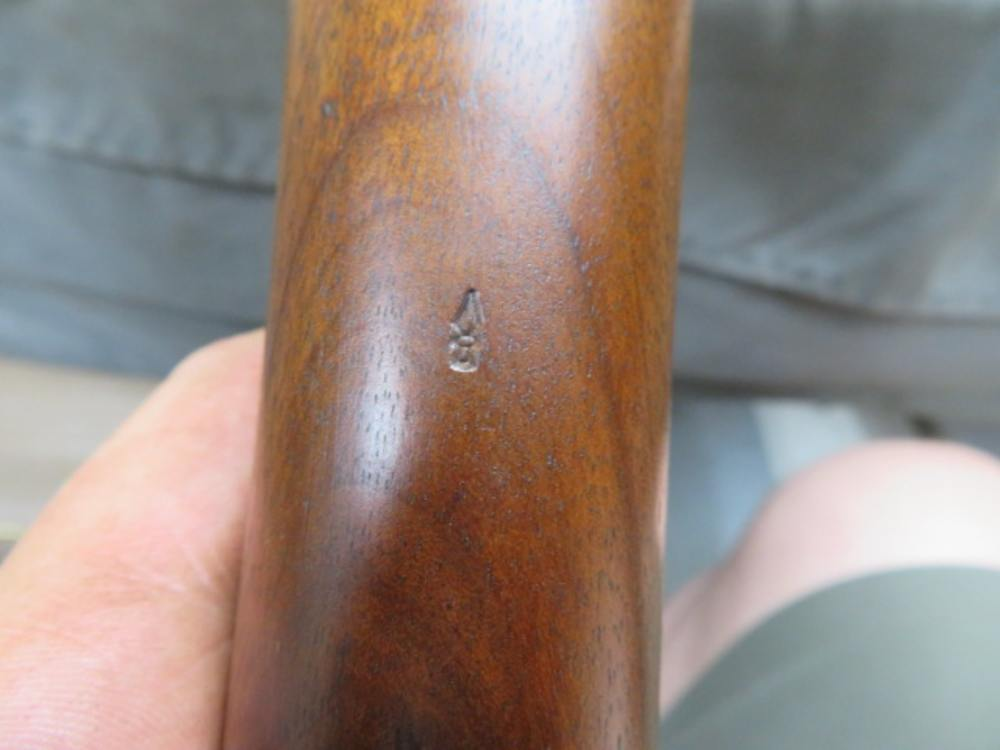
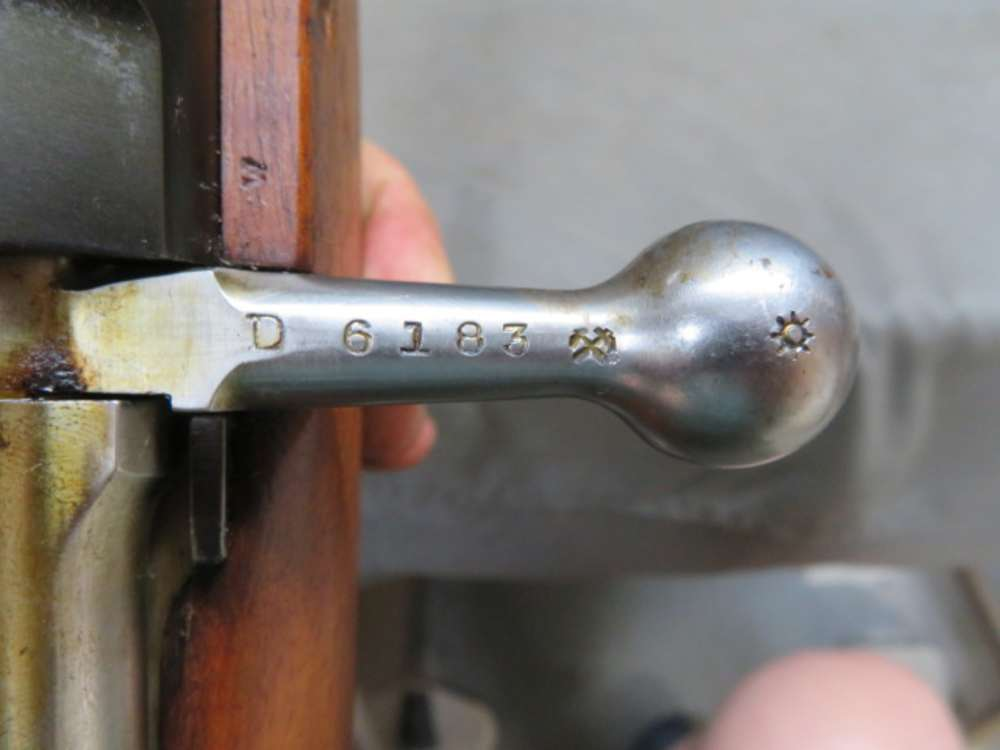
Unlike the flood of European and Latin American military surplus that entered the US market after the Gun Control Act of 1968 loosened import rules for some countries, Chilean Model 1895s have historically arrived in smaller, more sporadic numbers — through surplus arms dealers and estate sales rather than one single mass-import wave. That relative scarcity, combined with genuine matching numbers and clear Chilean crest markings, is part of what makes a well-preserved example noteworthy to collectors today.
Lookalikes and Cousins
The Modelo 1895 sits alongside a family of small-ring 7x57mm Mausers exported across Latin America in this era, most notably Spain’s Model 1893 that established the pattern, along with Mexican Mauser variants that followed a similar path soon after. All share the same general profile and magazine system, so the surest way to tell them apart is the receiver ring markings — Chilean rifles typically carry the national crest and "Mauser Chileno Modelo 1895" text along with the maker’s name, rather than another country’s insignia.
Why It Still Matters to Collectors
There’s no dedicated Collector’s Library identification guide for the Chilean Mauser yet, but that doesn’t make it any less worth a close look. A matching, well-marked example still carrying its original Chilean crest and factory stampings offers a tangible link to the wider story of German-made Mauser actions spreading across Latin America in the 1890s — a chapter of firearms history that gets far less attention than its European service counterparts, but shaped military small arms just the same.