An Argentine Nagant from Suhl
Belgian design, German manufacture and an Argentine destination
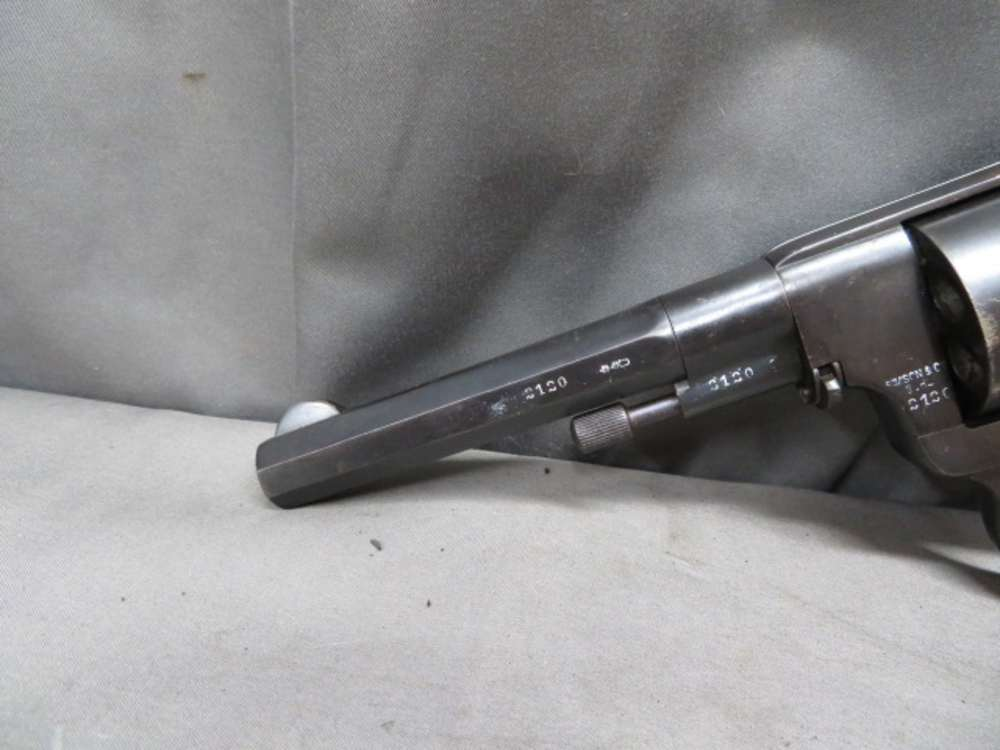
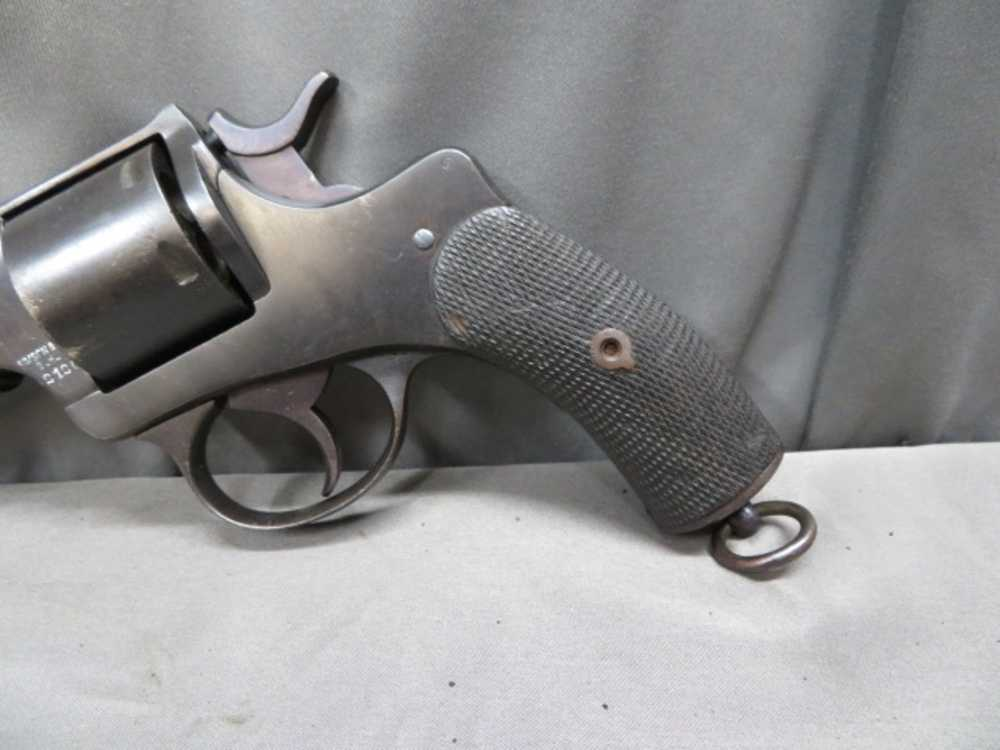
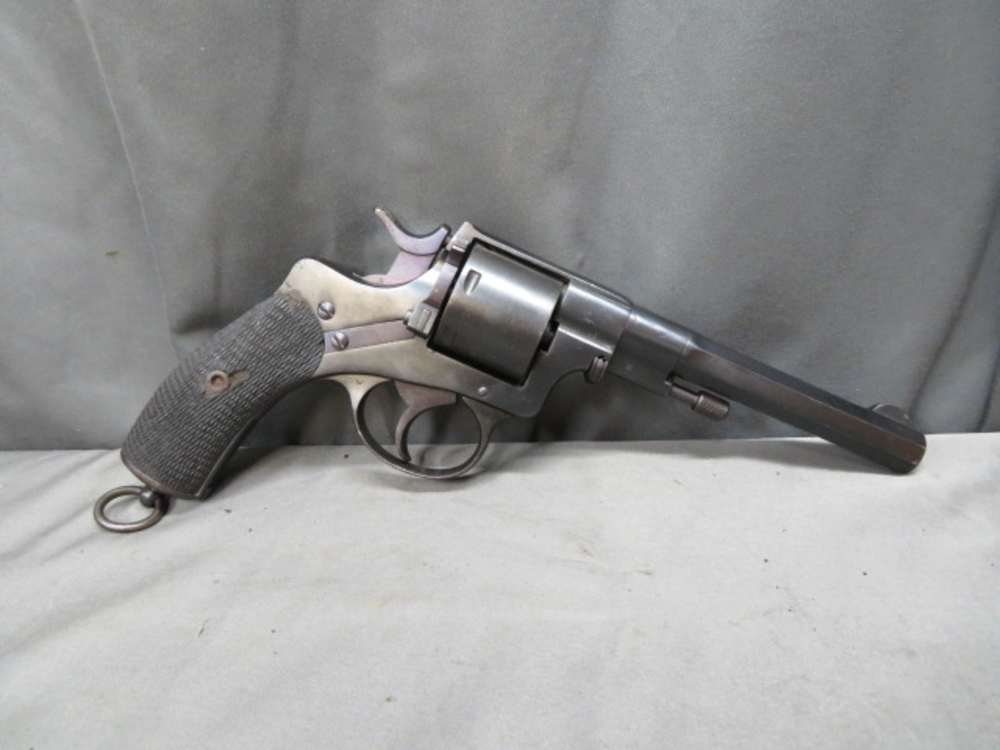
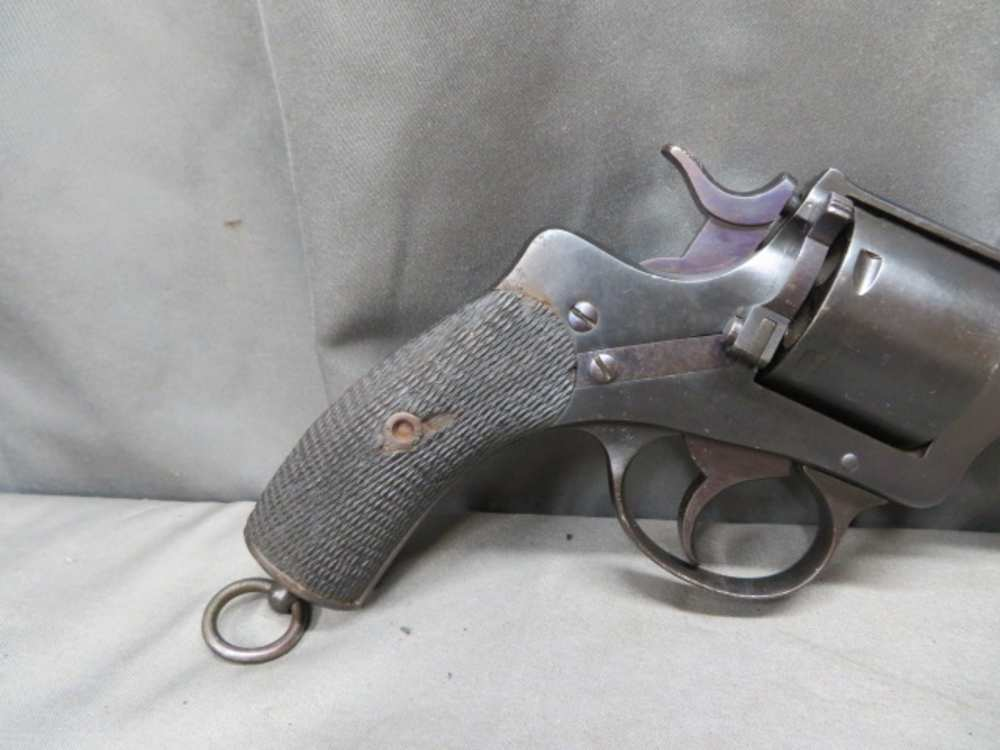
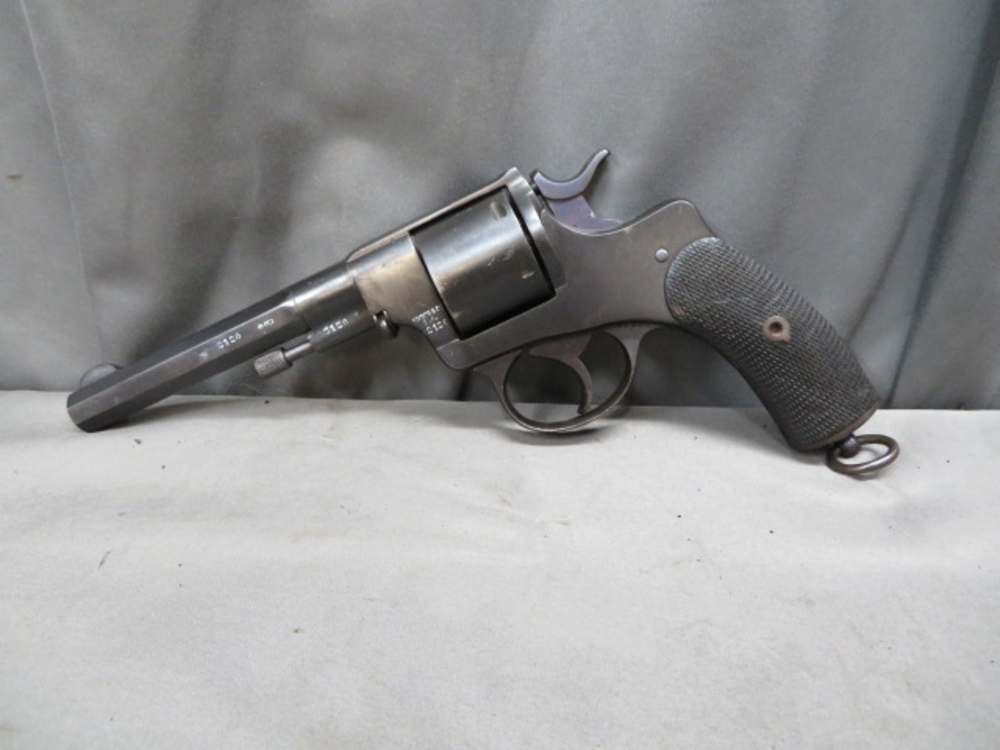
The Argentine Model 1893 Nagant connects a Belgian revolver family with German manufacture for Argentina. Writing in the American Society of Arms Collectors bulletin, Bob Adams states that Simson began making complete Nagant revolvers for Argentina approximately in 1893. His accompanying photograph identifies the weapon as a “Simson Argentine Model 1893 revolver.”
That wording provides a useful starting point for the model’s identity. The approximate manufacturing date should remain approximate: it supports an account of production beginning around 1893, without establishing a formal Argentine adoption date.
The Belgian Family Connection
The historical reference Eibar Revolvers for the Balkans identifies Belgian Nagant revolvers made for Argentina and Brazil as Model 1893, chambered in what it calls .44 Nagant. Read alongside Adams’s account, this places the Argentine model within a family extending across national and manufacturing boundaries.
The two references support the connection between Nagant design, Simson manufacture and an Argentine destination. They do not establish how particular Argentine orders were divided between Belgian Nagant production and Simson. A detailed procurement narrative would require evidence beyond these published descriptions.
Recognizing the Documented Form
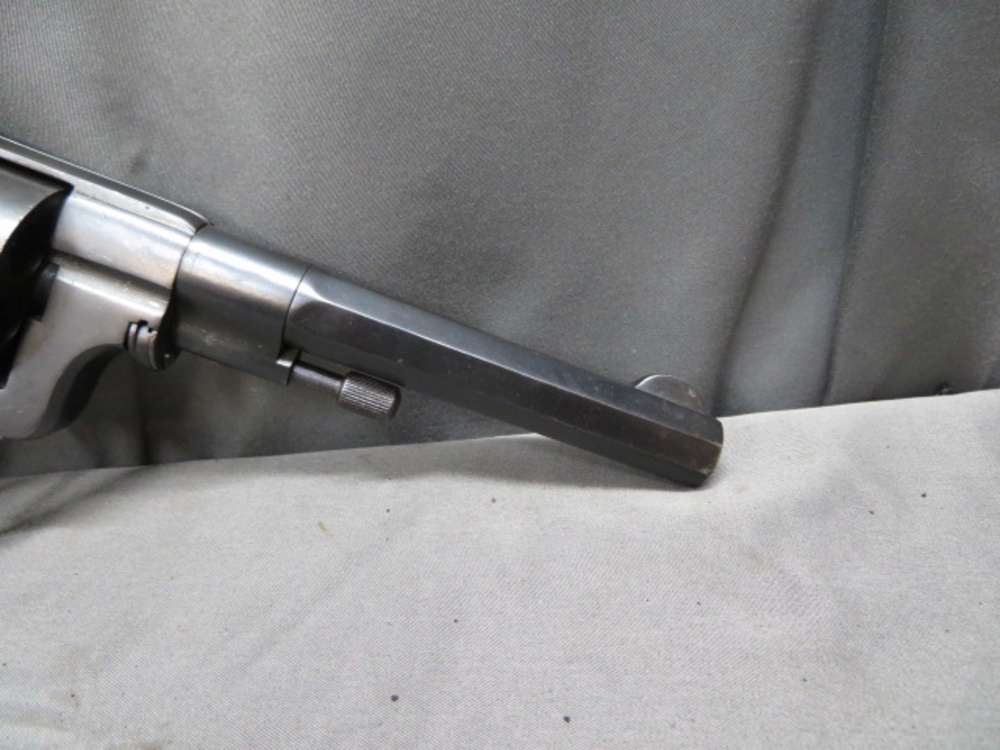
Littlegun describes a Simson & Co., Suhl-marked example with six chambers, an octagonal barrel and a loading gate on the right side. It reports both single-action and double-action operation.
The same example reportedly has a 146 mm barrel and an overall length of 270 mm. Those measurements describe the documented revolver; they should not become universal specifications for every example. Its features offer a useful visual reference, provided the distinction between one observed specimen and an entire model family remains clear.
Argentina and Its Brazilian Cousin
Argentina is the destination identified for Simson’s production in Adams’s account. That is the supported national connection for this family. The evidence available here does not establish an assignment to a particular Argentine service or unit, or support attaching the revolver to a named campaign.
Brazil belongs in the comparison because the historical reference also names Brazilian Model 1893 revolvers in .44 Nagant. This establishes a related national model. It does not establish that the revolvers Simson manufactured for Argentina later became Brazilian service weapons.
Other Nagants to Compare
The wider family includes Belgian Models 1878 and 1878-86 in 9.4 mm, the Swedish Model 1887, Serbian Model 1891 and Norwegian Model 1893 in 7.5 mm. These provide comparison subjects, but the Norwegian model’s shared date alone cannot establish identity with the Argentine revolver.
Russia’s Model 1895 is another important distinction. The reference describes a seven-shot revolver in 7.62 mm with a cylinder-advance gas-seal system. Those characteristics separate that comparison from the six-chamber Argentine example described by Littlegun.
Why the Connection Matters
For collectors, the Argentine Model 1893 offers a focused study of how one revolver family crossed borders: Belgian Nagant design, manufacture by Simson in Suhl and production for Argentina. Comparing maker identification, documented features and related national models gives that history substance while keeping the limits of the surviving evidence visible.