A Cold War Semi-Auto from a Uniquely Isolated Nation

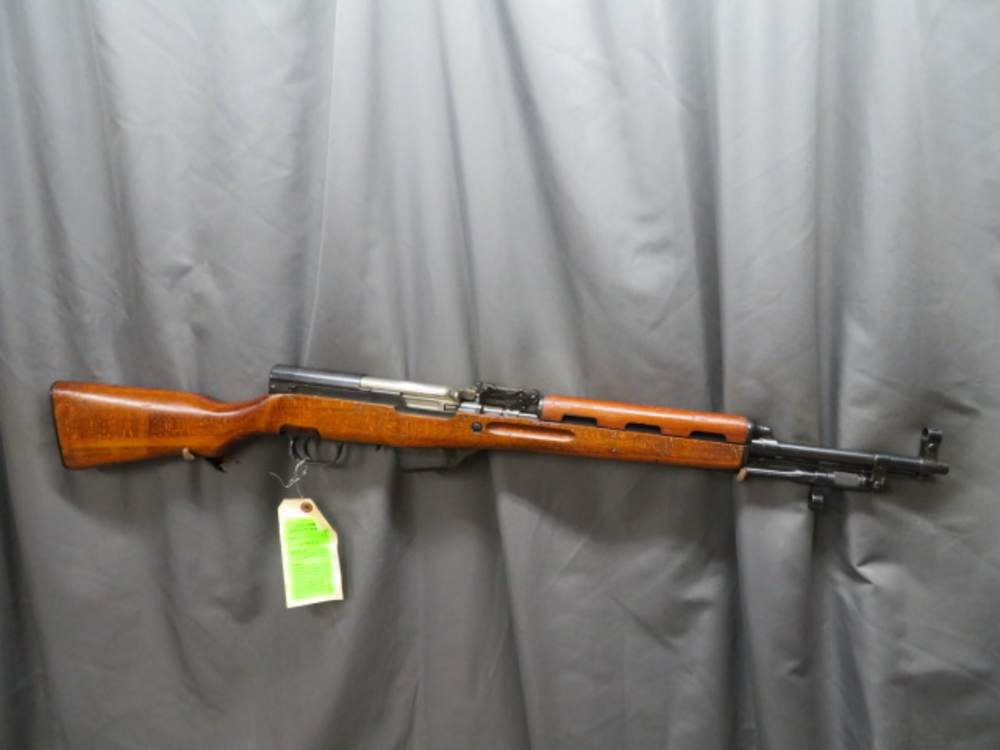
Albanian SKS semi-automatic carbine, right side full view
Full right-side view of an Albanian-marked SKS semi-automatic carbine. Photo property of Eisel Armory.

The SKS (Samozaryadny Karabin sistemy Simonova, or “self-loading carbine, Simonov’s system”) is a gas-operated, semi-automatic carbine chambered in 7.62x39mm — the same cartridge that would go on to define the AK-47. Designed by Sergei Simonov, the Soviet Union adopted it in 1949 (the "SKS-45" name some collectors use tracks the design year, not the date it entered service). It feeds from a fixed 10-round magazine and carries a permanently attached folding bayonet, features that set it apart from the select-fire rifles that soon replaced it in Soviet service.

Albania’s version of the carbine came through the country’s close ties with China during the Cold War, and it’s a licensed production program, not a parts-assembly operation.

Who Built It

The SKS was standardized in the USSR and produced at Soviet state arsenals such as Tula and Izhevsk from 1949 through the mid-to-late 1950s before Soviet production wound down in favor of the AK-47. The design was then license-built or supplied to a range of allied and communist states, including China (as the Type 56 carbine), Yugoslavia, Romania, and East Germany. Albania’s rifles are a genuine licensed-manufacture program, not a parts-assembly effort: China licensed the Type 56 pattern to Albania around 1962, and Albania built its own carbines domestically at UM Gramsh (also seen as Umgrash/Umgramsh/Umgransh in collector references) in two dated runs, roughly 1967–1971 and 1976–1978/79. Collector estimates put total Albanian output around 15,000–20,000 rifles, distinguished from the Chinese Type 56 pattern by a longer three-vent handguard, a hook-style charging handle, a curved magazine profile, dual buttstock storage compartments, and a black-finished spike bayonet.
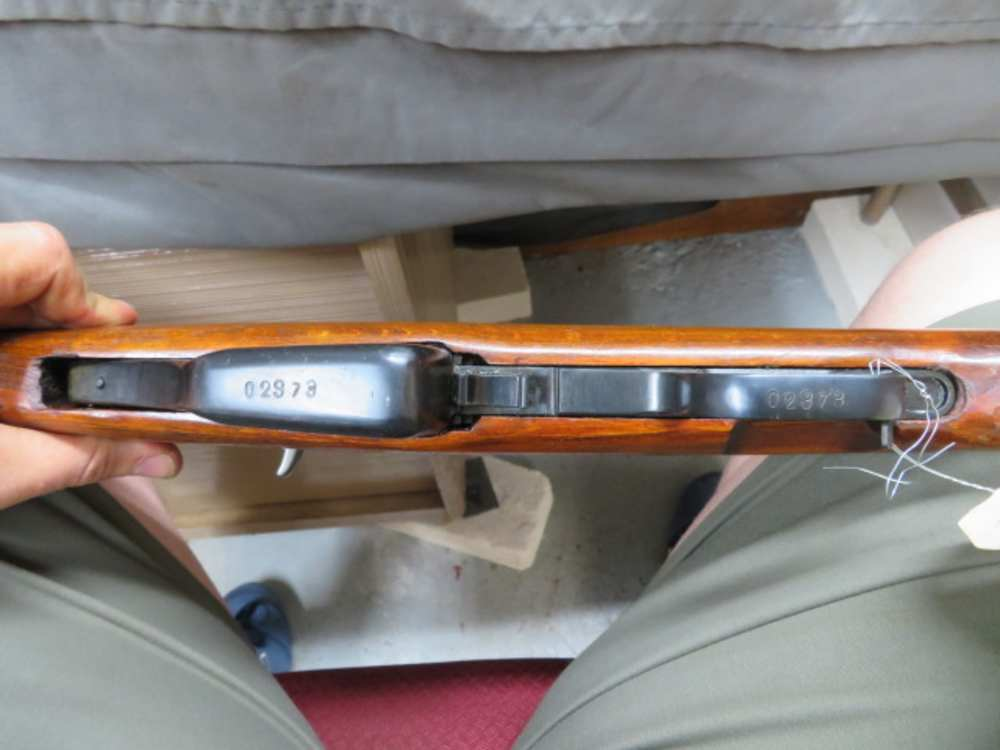
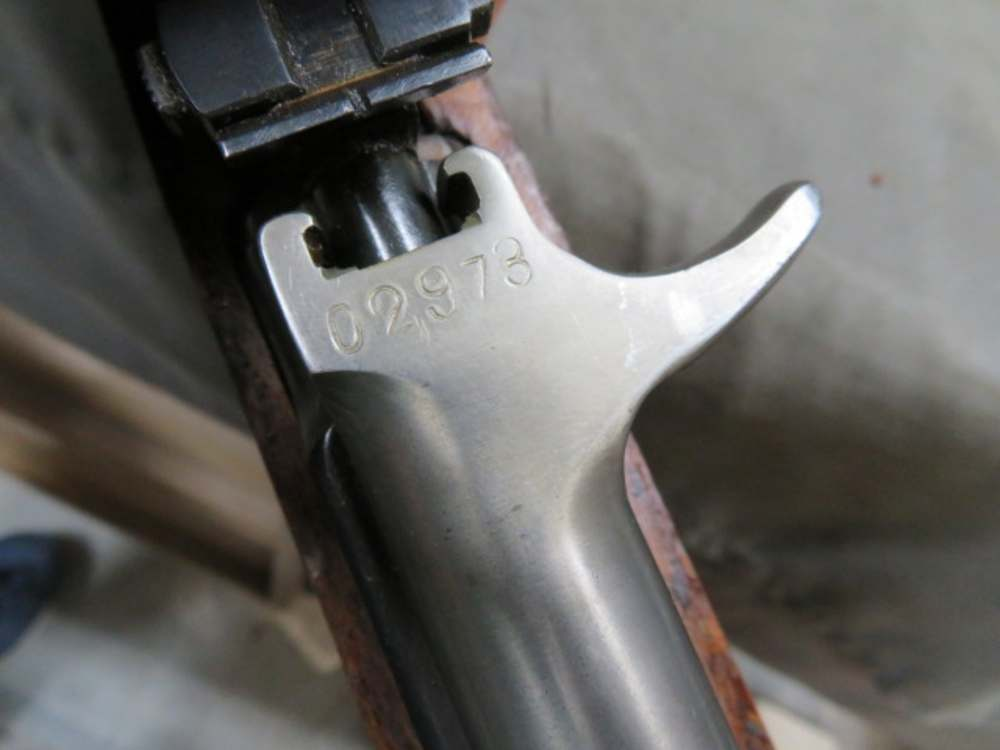
Albanian SKS buttplate serial number marking
Serial number stamped into the buttplate. Photo property of Eisel Armory.

Countries and Sides

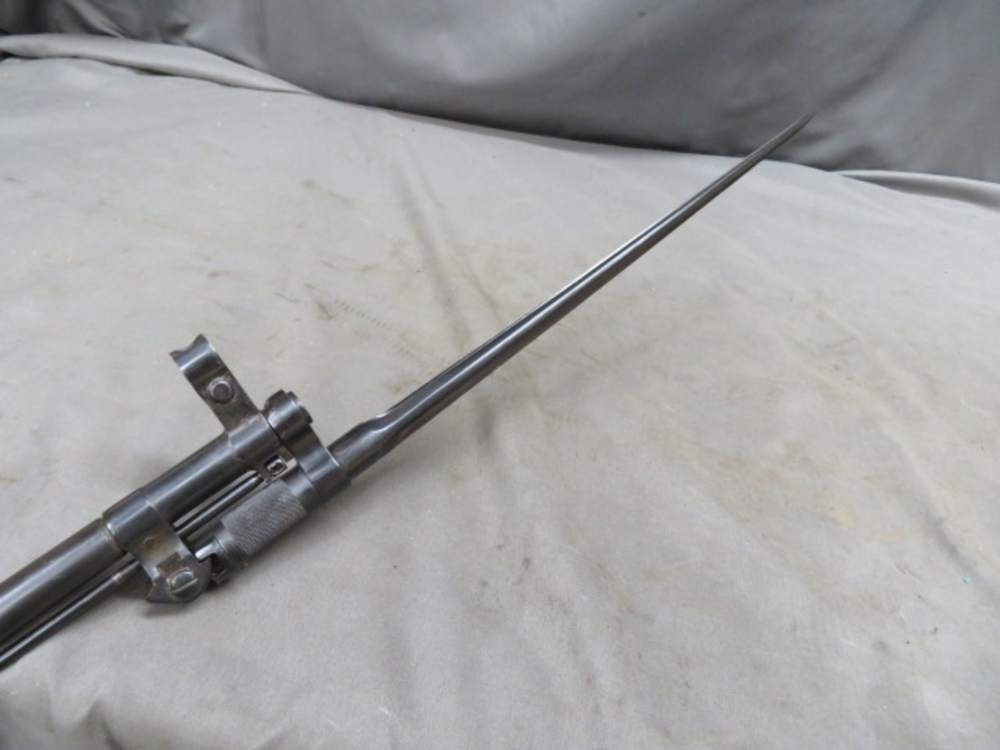
Albanian SKS with folding bayonet extended
The SKS’s permanently attached folding bayonet, shown extended. Photo property of Eisel Armory.

Soviet forces fielded the SKS only briefly as a frontline rifle before the AK-47 took over, but the design had a much longer service life across the wider communist world. Chinese-made Type 56 carbines saw extensive combat in Vietnam and beyond, and SKS-pattern rifles turned up in the hands of Warsaw Pact armies, various African and Asian state militaries, and irregular and insurgent forces well into the late 20th century. Albania, isolated for decades under Enver Hoxha’s government, maintained and issued its own SKS-pattern rifles as part of a large domestic militia and reserve system built around Cold War-era Soviet and Chinese small arms.

Coming to the US

Surplus SKS rifles from China, Russia, Yugoslavia, and other producer nations arrived in the US in large numbers as affordable semi-automatic imports through the 1980s and early 1990s, though a 1994 executive order halted further Chinese firearms imports. Albanian-marked examples are considerably less common in the US than their Chinese or Russian counterparts, since Albania’s isolation kept its surplus arms out of Western markets until after the country’s communist government collapsed in the early 1990s, after which small quantities began reaching American collectors.

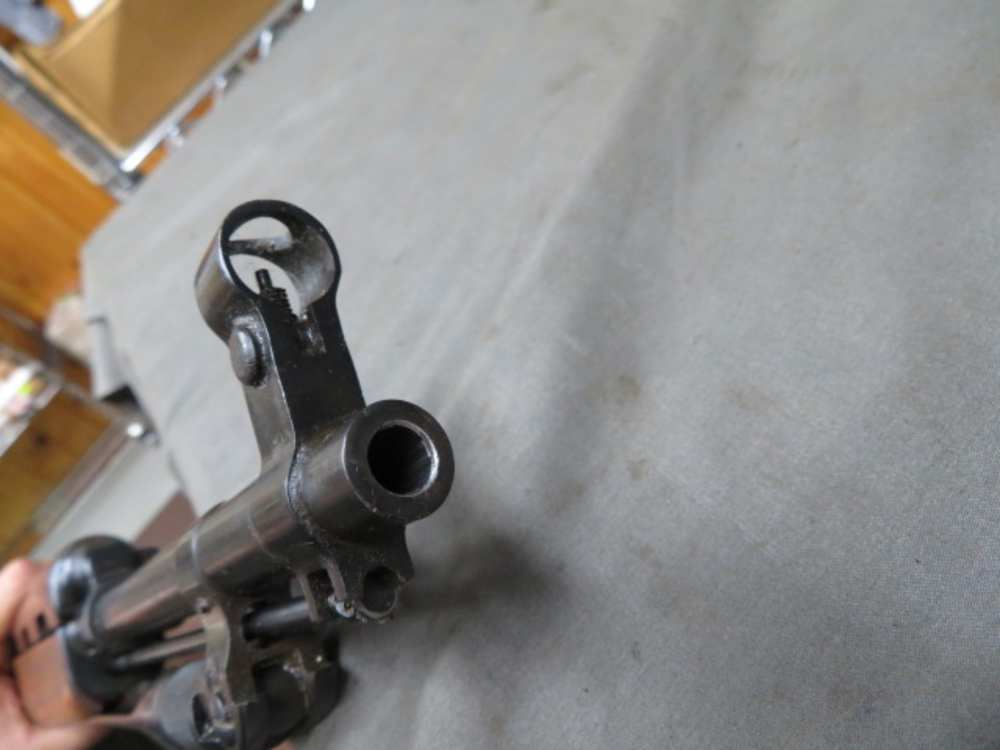
Albanian SKS muzzle and front sight close-up
Close-up of the muzzle and front sight assembly. Photo property of Eisel Armory.

Lookalikes and Cousins

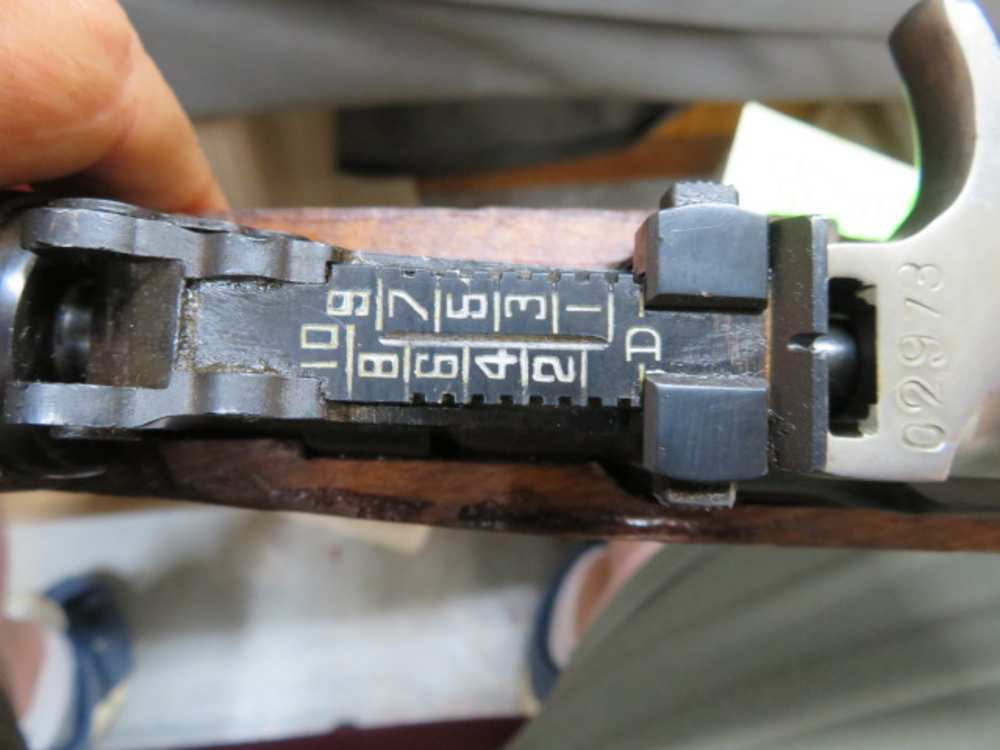
Albanian SKS rear sight elevation ladder and receiver marking
The rear sight elevation ladder and matching serial number on the receiver. Photo property of Eisel Armory.

The SKS is frequently confused with the AK-47 since both fire the 7.62x39mm cartridge, but the two were parallel postwar Soviet small arms programs rather than one design evolving into the other — the AK-47 superseded the SKS in Soviet service, it did not grow out of the SKS action. The two are also mechanically distinct: the SKS is a semi-automatic carbine with a fixed magazine and no select-fire capability, while the AK-47 is a select-fire rifle with a detachable box magazine. Among SKS variants, the Chinese Type 56 is the most commonly encountered in the US, while the Yugoslav M59/66 adds a grenade-launching sight and different gas system; Albanian, Romanian, and East German-marked examples are comparatively scarce and are generally distinguished by their markings, furniture, and finish rather than major mechanical differences.

Why It Still Matters to Collectors

The SKS remains one of the most accessible and historically significant Cold War-era semi-automatic rifles, prized for its rugged simplicity and its place alongside the AK-47 as one of the two defining Soviet small arms of the postwar era. An Albanian-marked example adds a layer of scarcity value beyond the common Chinese and Russian surplus rifles that dominate the US market, offering a tangible link to one of the Cold War’s more isolated and lesser-documented small arms programs.

Albanian SKS bayonet lug serial number marking
Matching serial number stamped near the bayonet lug. Photo property of Eisel Armory.
×