Walther G43: Germany's Late-War Semi-Auto Powerhouse
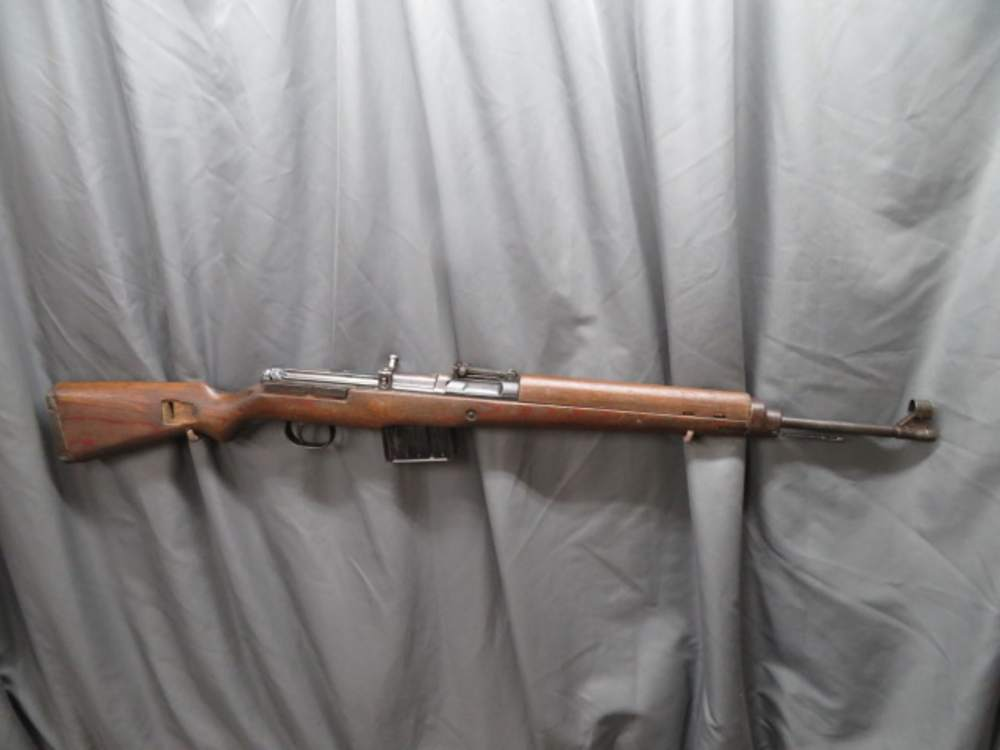
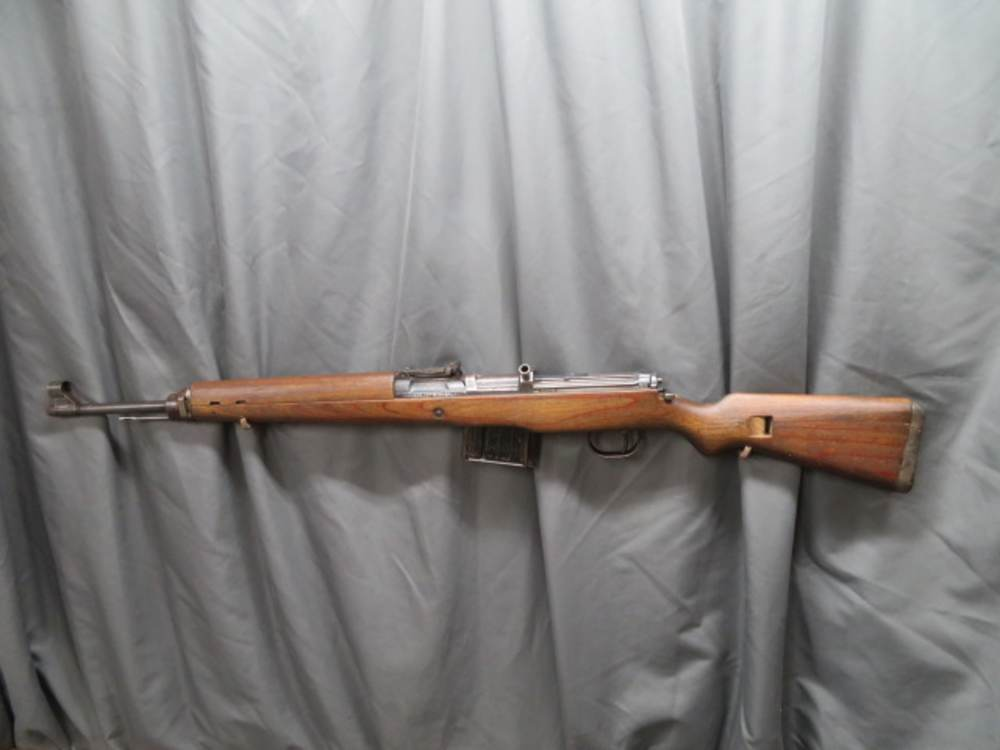
The WWII German G43 semi-automatic rifle was one of Germany’s most advanced infantry rifles of the Second World War. Manufactured by Walther in 1944 and marked “ac 44,” this example features the desirable absence of modern import markings, making it especially attractive to collectors seeking originality. Chambered in the powerful 7.92×57mm Mauser cartridge, the G43 provided German troops with a faster rate of fire than the standard Karabiner 98k bolt-action rifle.
Introduced during the final years of the war, the G43 incorporated a detachable 10-round magazine and a short-stroke gas piston system inspired by the Soviet SVT-40. Although production was limited by wartime shortages, Walther-produced rifles remain among the most sought-after variants. Original, non-import-marked examples represent an important piece of WWII military history and are prized for their historical significance and collectible appeal.
Marked for History: 1944 Walther G43 "ac 44"
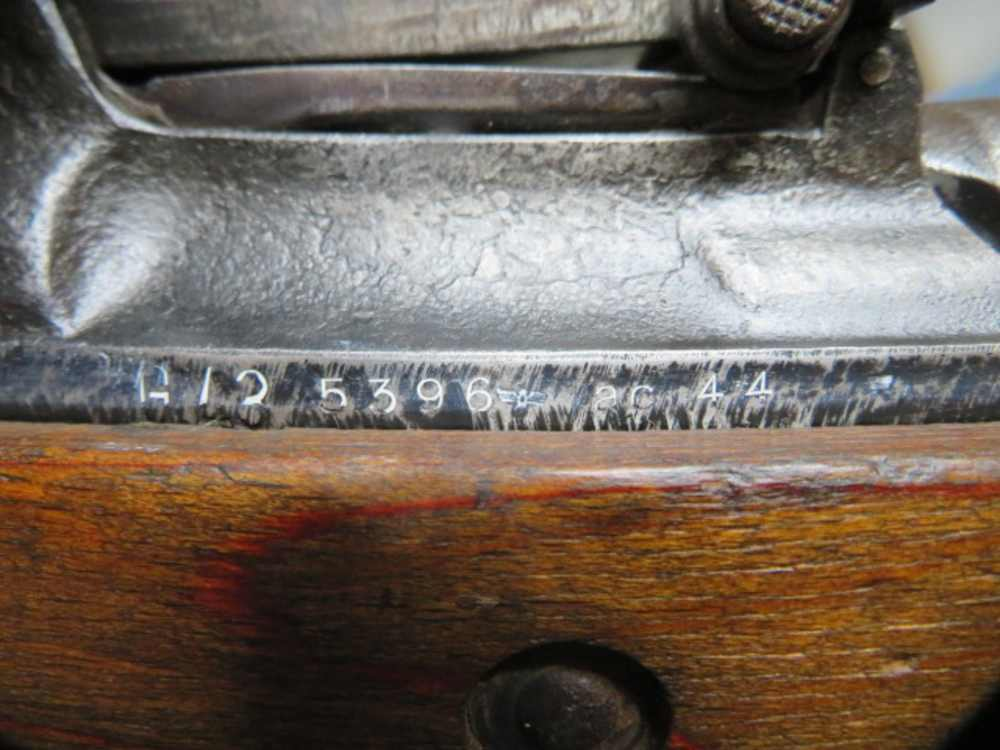
This close-up highlights the receiver markings of an original WWII German G43 semi-automatic rifle manufactured by Walther in 1944. The serial number and distinctive “ac 44” factory code are clearly visible, identifying Walther as the wartime producer. These markings are among the most important features collectors examine when verifying the authenticity and production history of a G43 rifle.
The original receiver markings provide a direct connection to the rifle’s wartime manufacture and service. Collectors value sharp, legible factory codes because they help confirm originality and production date while preserving the historical integrity of the firearm. Combined with the absence of modern import markings, details like these make this G43 an especially desirable example of late-war German military production.
Inside the G43: Precision Engineering Beneath the Receiver
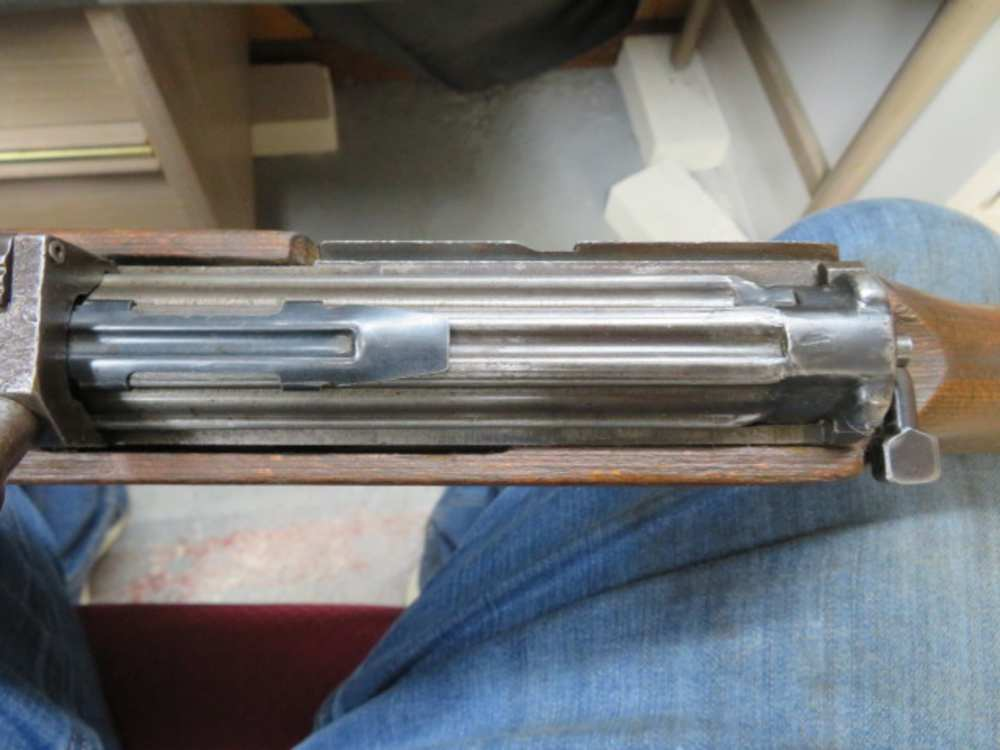
This detailed view showcases the interior of the WWII German Walther G43 rifle, revealing the bolt and receiver assembly that powered one of Germany’s most advanced infantry rifles of the war. The robust machining and distinctive bolt design highlight the engineering improvements made over earlier German semi-automatic rifle designs, providing increased reliability under battlefield conditions.
The G43’s bolt assembly worked in conjunction with a short-stroke gas piston system, allowing for faster follow-up shots than traditional bolt-action service rifles. Internal components like these are closely examined by collectors for originality, matching finish, and signs of wartime use, making them an important part of evaluating an authentic G43 rifle.
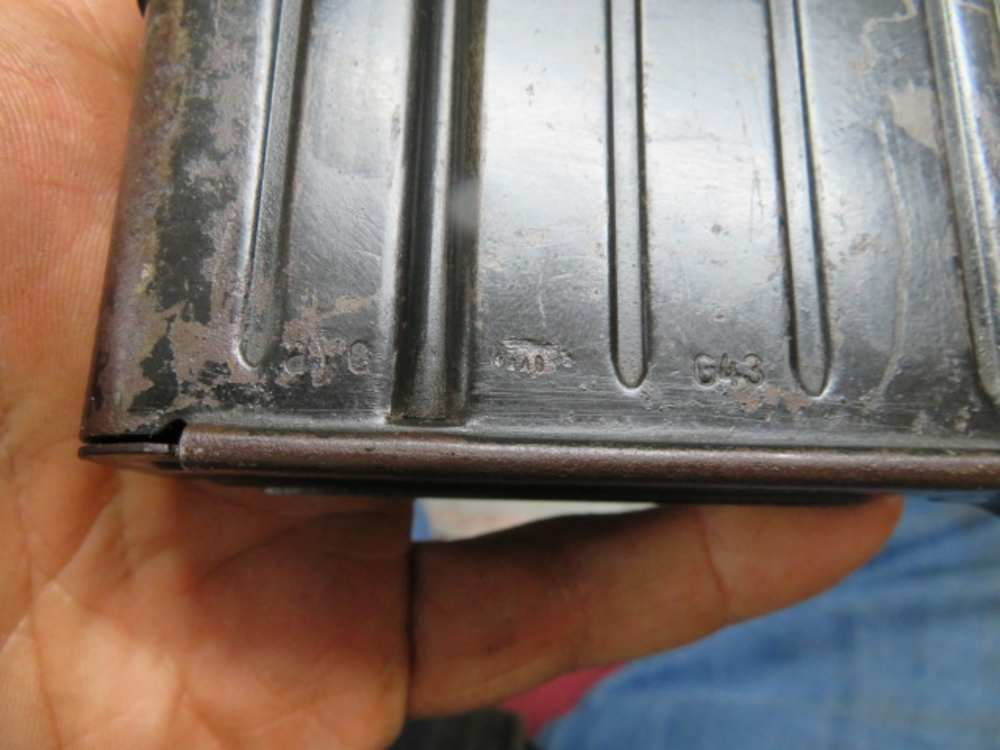
Original G43 Magazine – The Heart of Germany's Semi-Automatic Rifle
This close-up features an original magazine for the WWII German G43 semi-automatic rifle. The magazine is stamped “G43,” confirming it was manufactured specifically for use with Germany’s standard late-war self-loading rifle. Holding 10 rounds of 7.92×57mm Mauser ammunition, the detachable magazine gave German infantry a significant increase in sustained firepower over traditional bolt-action rifles.
Original G43 magazines are highly sought after because many rifles lost their factory-issued magazines during military service or in the decades after the war. Collectors appreciate examples that retain their original finish, markings, and wartime wear, as matching or period-correct magazines add both historical authenticity and collector value to an original G43 rifle.
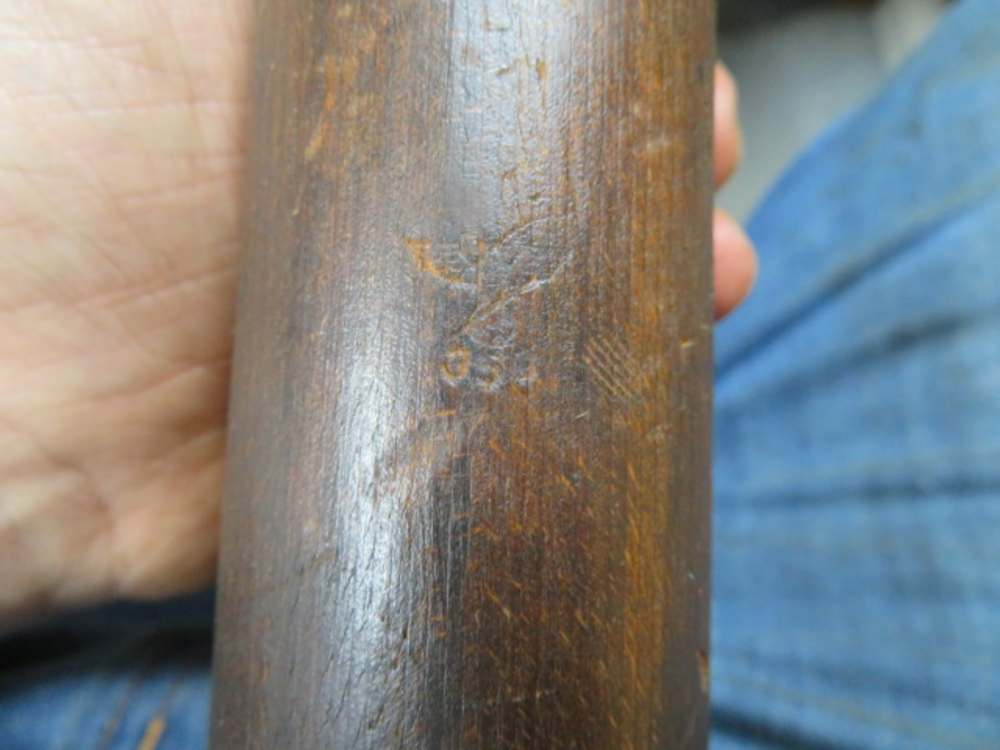
Waffenamt Acceptance Stamp – A Mark of Wartime German Inspection
This close-up reveals an original Waffenamt (WaA) acceptance stamp impressed into the wood of the WWII German G43 rifle. These inspection marks were applied during production after the rifle or component passed military quality-control standards. Though often worn from decades of handling and service, authentic Waffenamt stamps remain one of the most important details collectors examine when evaluating originality.
Inspection marks like this provide a tangible connection to the rifle’s wartime manufacture at Walther in 1944. Original acceptance stamps on the stock help demonstrate that the wood is period-correct and has remained with the rifle throughout its history. Preserved inspection markings add historical authenticity and are highly valued by collectors of German WWII military firearms.
Battle Sight Precision – Original G43 Rear Sight Assembly
This close-up showcases the original rear sight assembly of the WWII German Walther G43 semi-automatic rifle. The tangent-style sight is graduated for multiple engagement distances, allowing soldiers to adjust their aim for targets at varying ranges. Precision-machined and ruggedly built, the G43’s rear sight reflected Germany’s emphasis on battlefield accuracy.
The condition of the rear sight is an important feature for collectors, as original sight assemblies are often damaged or replaced over time. Clear, legible range markings and an intact adjustment mechanism help preserve the rifle’s historical authenticity while demonstrating the quality of wartime German manufacturing. Details like these contribute to the overall desirability of an original G43.
Gas System Close-Up – The Engineering Behind the G43
This detailed image highlights the gas cylinder and gas piston assembly beneath the barrel of the WWII German Walther G43 semi-automatic rifle. Unlike earlier German self-loading rifle designs, the G43 utilized a short-stroke gas piston system, improving reliability while reducing recoil forces on the operating components. This innovation allowed the rifle to cycle efficiently under demanding combat conditions.
The gas system was one of the G43’s defining features and played a major role in its improved battlefield performance. Original gas system components are closely inspected by collectors because they often exhibit the wear and patina expected from wartime service. Preserved examples like this help illustrate the advanced engineering that made the G43 one of Germany’s most effective infantry rifles of the Second World War.
Locked on Target – Original G43 Hooded Front Sight
This close-up showcases the original hooded front sight of the WWII German Walther G43 semi-automatic rifle. Designed to protect the front sight post from damage in the field, the steel sight hood also helped reduce glare, allowing soldiers to acquire targets more quickly in varying lighting conditions. The G43’s front sight was built for durability while maintaining battlefield accuracy.
Collectors pay close attention to the front sight assembly because original sight hoods are often lost or replaced over time. An intact, period-correct hooded front sight adds authenticity and collector value while demonstrating the rifle’s overall originality. Details like this highlight the practical engineering that made the G43 one of Germany’s finest wartime service rifles.
Muzzle Detail – The Business End of the Walther G43
This close-up captures the muzzle and hooded front sight assembly of the WWII German Walther G43 semi-automatic rifle. The image showcases the rifle’s precision-machined barrel, protected front sight, and clean muzzle profile. Designed for durability in combat, the G43’s front-end components balanced ruggedness with the accuracy expected of Germany’s late-war infantry rifles.
Original muzzle and front sight assemblies are closely inspected by collectors for authenticity, finish, and signs of wartime service. An intact sight hood and properly configured muzzle indicate careful preservation and add to the rifle’s historical integrity. Fine details like these help tell the story of a firearm that served during one of history’s most significant conflicts.