From Alchemy to Arms: The Invention of Gunpowder and Its Influence on Modern Firearms
Introduction
Few inventions have reshaped human history as profoundly as gunpowder. What began as an accidental discovery in ancient China eventually transformed warfare, political power, and technological development across the globe. Over the course of centuries, gunpowder evolved from a chemical curiosity into the foundation of firearms and modern weapons systems.
The Origins of Gunpowder in China
Gunpowder was first invented in China during the Tang Dynasty in the 9th century. Daoist alchemists searching for immortality discovered a volatile mixture of sulfur, charcoal, and saltpeter. This knowledge was formally recorded in the Song Dynasty military text Wujing Zongyao in 1044 CE.
Early Gunpowder Weapons and Proto‑Firearms
Chinese engineers developed the fire lance, an early weapon that expelled flames and projectiles using gunpowder. Over time, metal barrels replaced bamboo, turning these devices into the first firearms.
The Spread of Gunpowder Across Eurasia
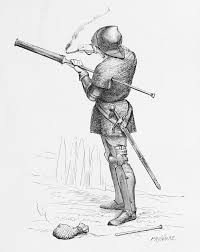
Gunpowder spread westward through trade routes and conquest. By the 14th century, Europe had developed hand cannons—primitive firearms that marked the beginning of gun-based warfare.
Gunpowder and the Transformation of Warfare
The invention of cannons and bombards revolutionized siege warfare. Fortifications were redesigned, and heavily armored knights declined in importance.
The Chemical Legacy of Gunpowder
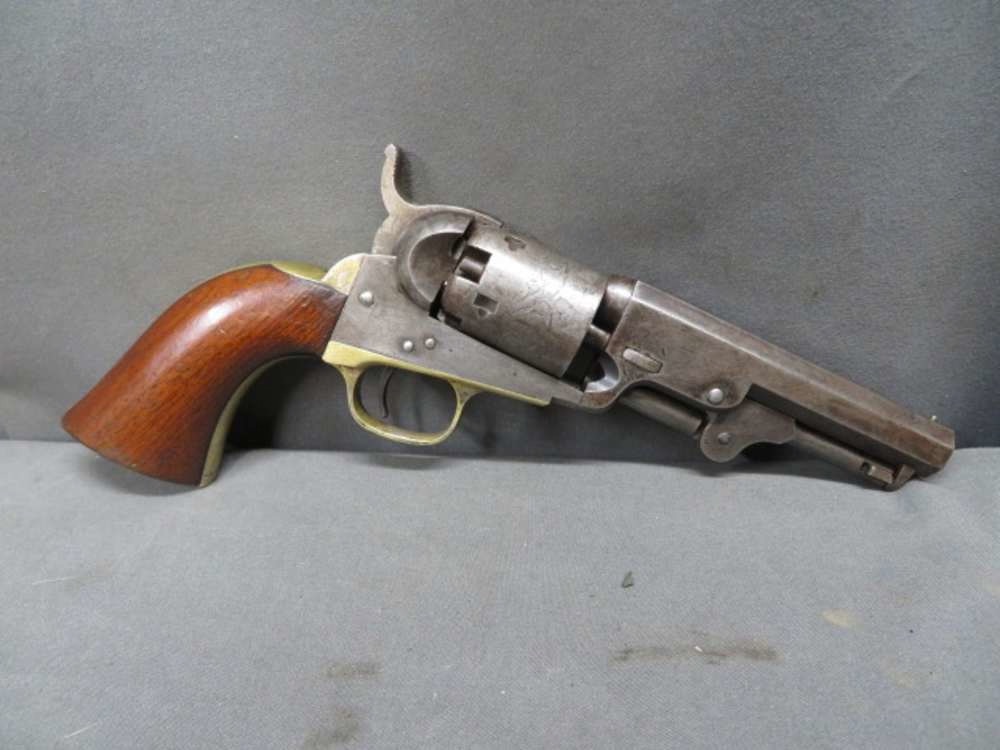
Black powder consists of potassium nitrate, charcoal, and sulfur. Though largely replaced by smokeless powder, its basic principle still underlies modern firearm operation.
Image: Ingredients of black powder
Conclusion
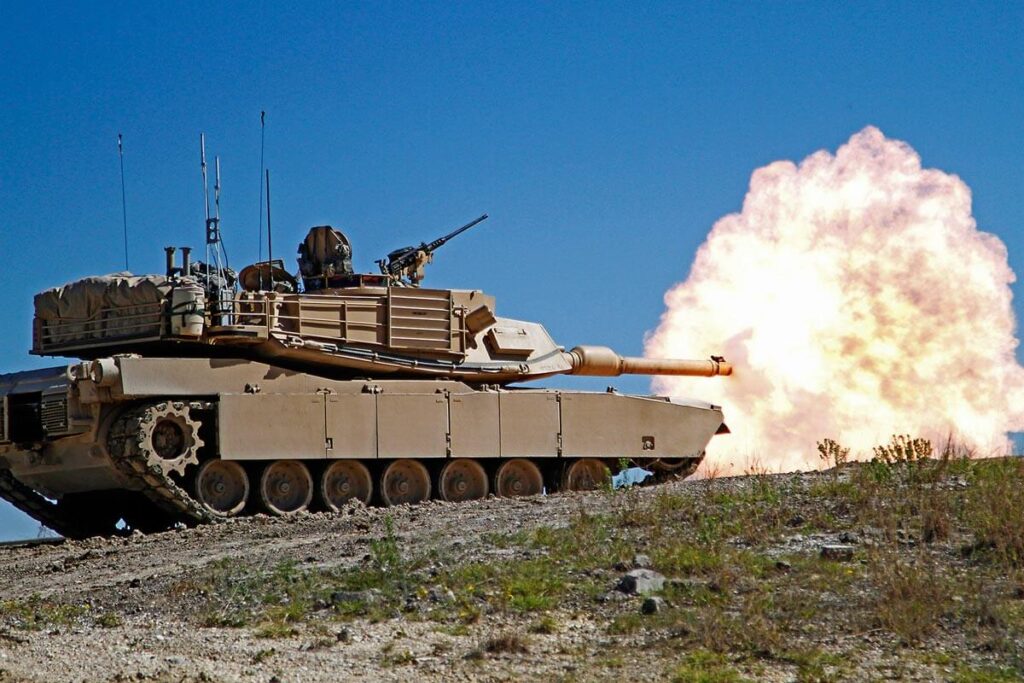
Gunpowder stands as one of humanity’s most transformative inventions. Though modern weapons no longer rely on traditional black powder, their design is rooted in discoveries made over a thousand years ago in China.