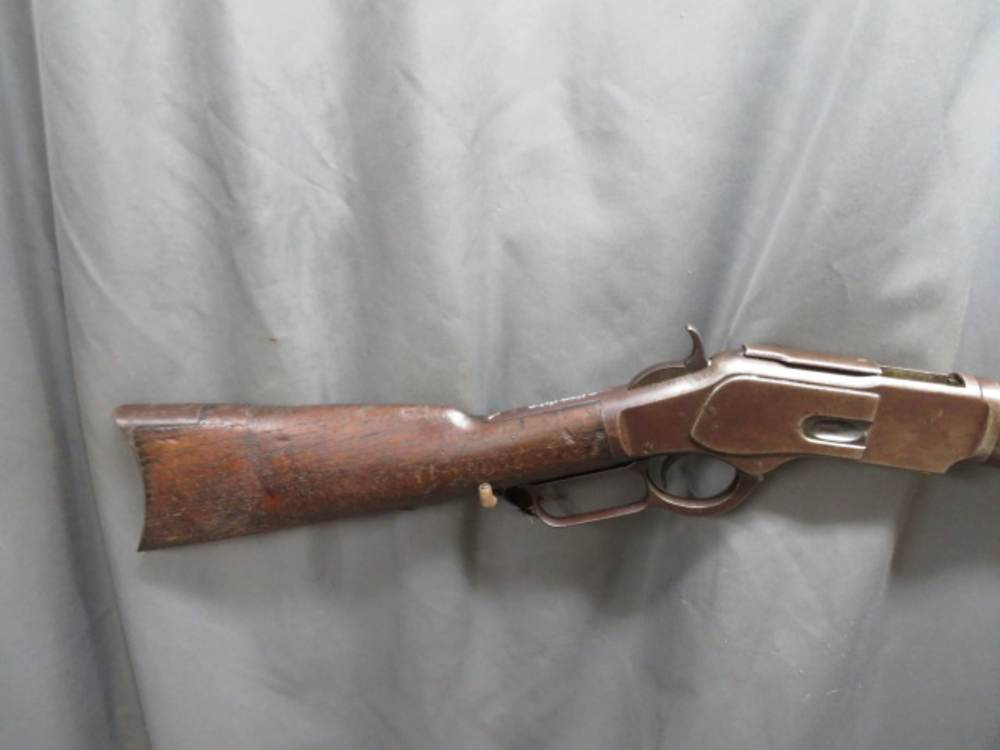
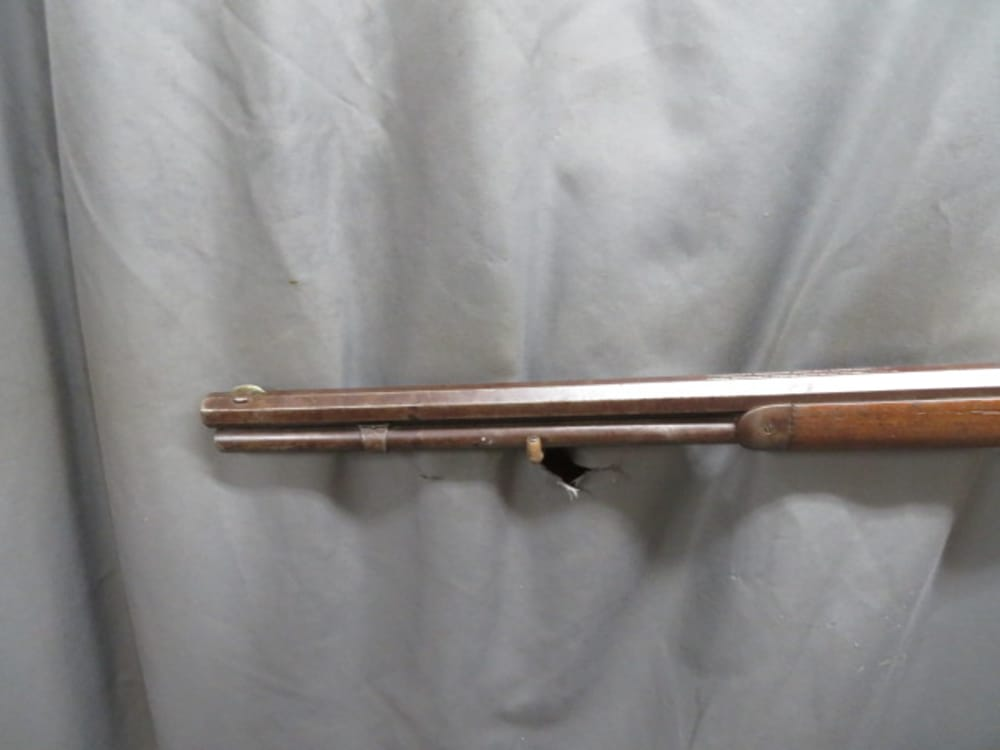
America's Classic Centerfire Lever-Action
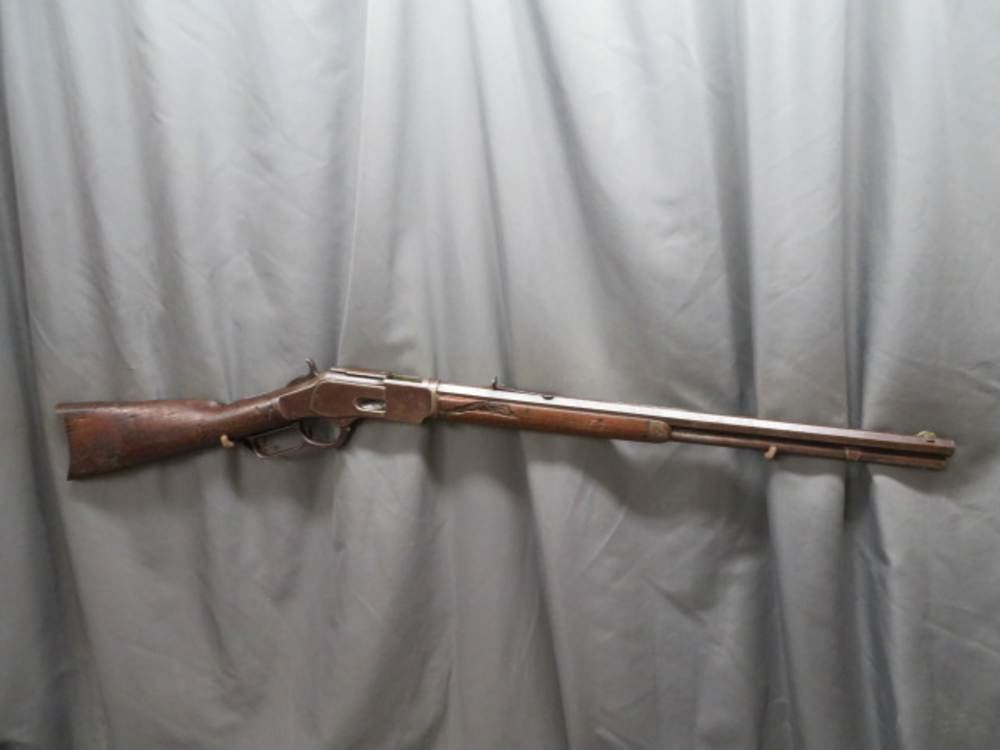
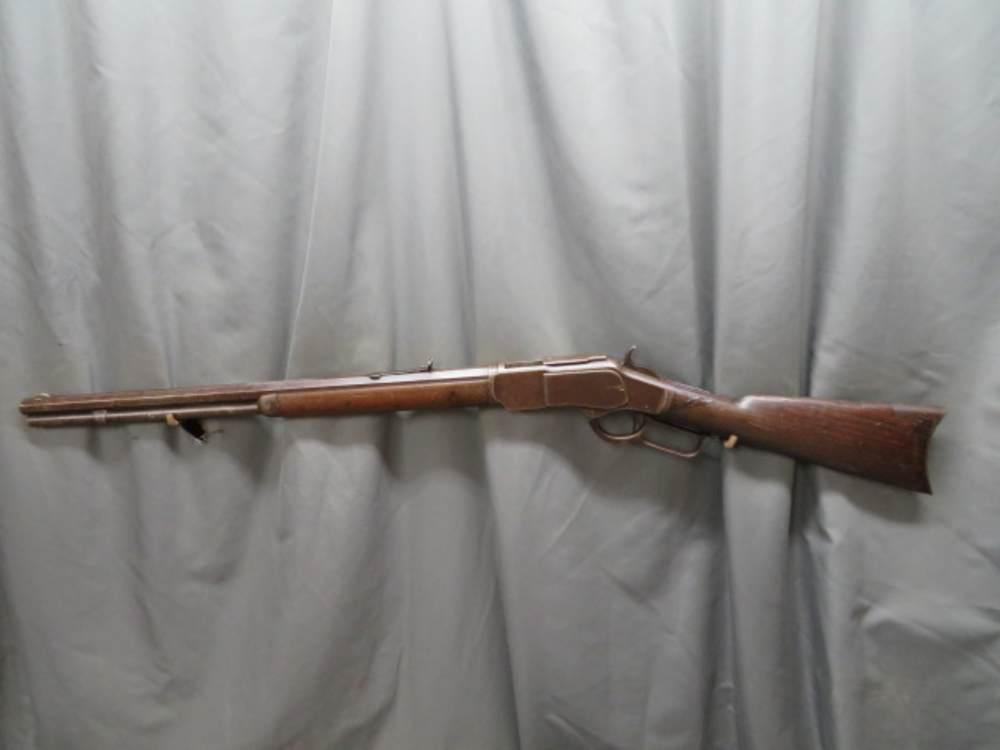
The Winchester Model 1873 is the classic American centerfire lever-action that followed the brass-framed Model 1866. Built by Winchester Repeating Arms in New Haven, Connecticut, and introduced in 1873, it kept the tube magazine and side loading gate of the earlier “King’s Improvement” line, but moved to an iron (later steel) receiver and a stronger centerfire cartridge—the .44 Winchester Center Fire, better known as .44-40. Period advertising called it “the gun that won the West.” That was marketing, not a battle report; the model’s real story is broad commercial and civilian use on the American frontier and in export markets.
What It Is
Winchester’s path to the 1873 runs through the Volcanic and Henry designs Oliver Winchester’s New Haven companies refined into the first rifles to carry the Winchester name. The Model 1866 “Yellowboy” proved the lever-action idea with a brass receiver and rimfire ammunition. The Model 1873 was the next step: a tougher frame and centerfire power that paired naturally with revolvers chambered for the same rounds—a shooter could carry a Winchester ’73 and a Colt Single Action Army sharing .44-40 (and later .38-40 and .32-20) ammunition. Winchester offered it as a sporting rifle (often a 24-inch barrel), a shorter saddle-ring carbine, and a longer musket. Production ran from the early 1870s into the late 1910s, with published references putting total output on the order of roughly seven hundred thousand arms—treat exact serial cutoffs as a question for factory records, not settled trivia.
Who Built Them
Winchester Repeating Arms Company built the Model 1873 in New Haven, Connecticut. The company’s lineage traces through the Volcanic Repeating Arms Company and the Henry rifle before Oliver Winchester’s reorganized firm began producing rifles under the Winchester name. Because every genuine 1873 was made in New Haven, there is no classic U.S. import arc for the original arm—what shows up as an import today is almost always a modern reproduction, especially the Italian-made Uberti-pattern copies popular with Cowboy Action shooters and living-history reenactors.
Who Used Them
Unlike later Winchesters tied to large government contracts, the Model 1873 was first and foremost a commercial arm. Ranchers, homesteaders, lawmen, travelers, and private buyers across North America were the core market. Longer musket configurations appear in overseas commercial sales—South America is often cited in secondary accounts—but firm country-by-country totals are unevenly documented. Large Ottoman purchases of Winchester lever-actions are better associated with the earlier Model 1866 than with a neat “Model 1873 army” narrative.
Related Rifles
The Model 1866 is the brass-framed predecessor. The Model 1876 is a larger cousin built for more powerful cartridges than the pistol-class rounds that defined most 1873s. The later Model 1892, associated with John Browning’s stronger redesign, carried similar cartridge ideas into a lighter package. Modern Uberti-pattern replicas can fool a casual glance; markings and construction details separate period New Haven work from contemporary copies.
Why Collectors Still Care
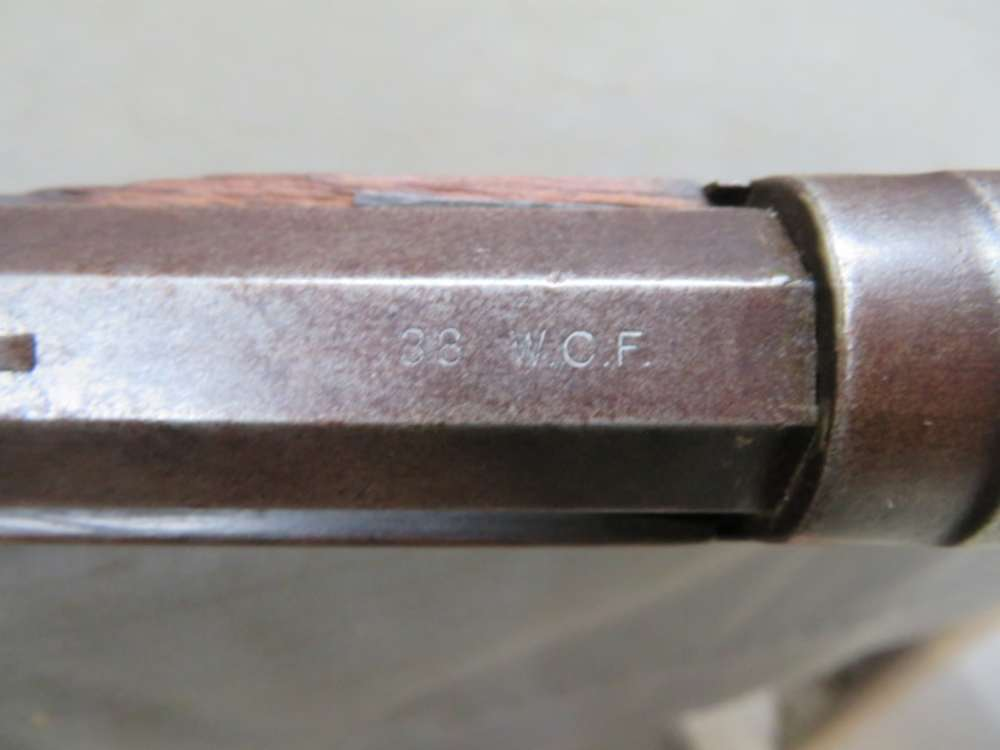
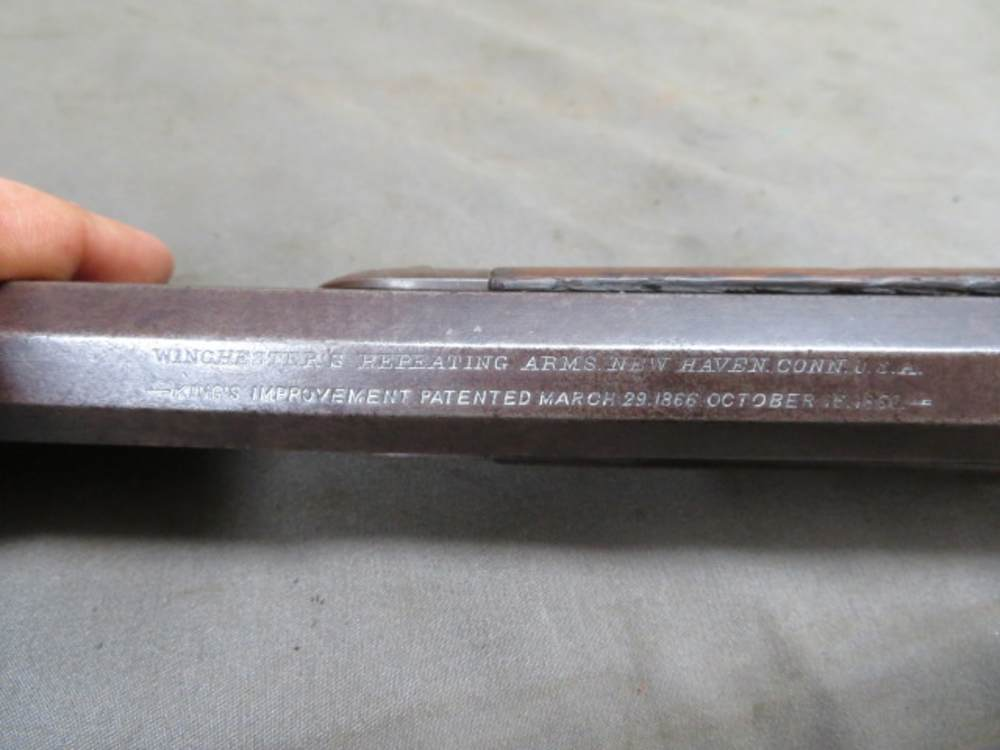
A Model 1873 sits at the center of American lever-action collecting: shared revolver calibers, clear factory variants, and a deep paper trail at institutions such as the Cody Firearms Museum for many serial ranges. Condition, originality, caliber rarity (especially .22 rimfire examples), and documented special-order features drive interest more than slogans. Until a dedicated Eisel Armory Collector’s Library identification guide for this model is live, treat barrel address, caliber stamps, and King’s Improvement markings as the practical starting point—and verify big claims against factory letters or trusted references rather than folklore.