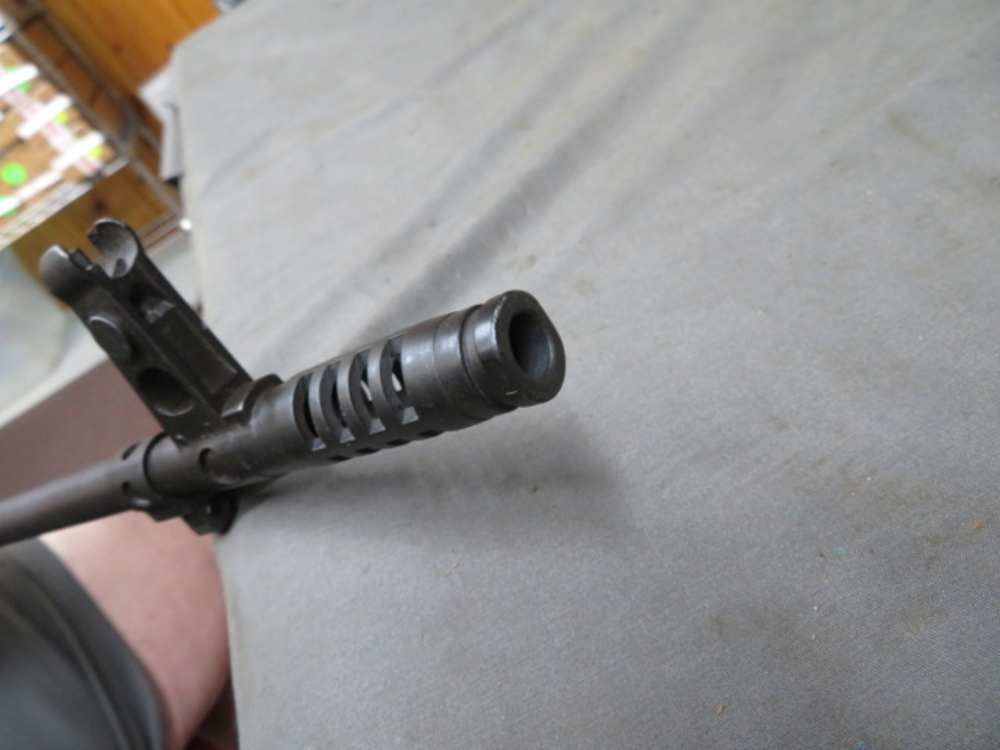
A Cold War Marksman's Rifle from Cugir
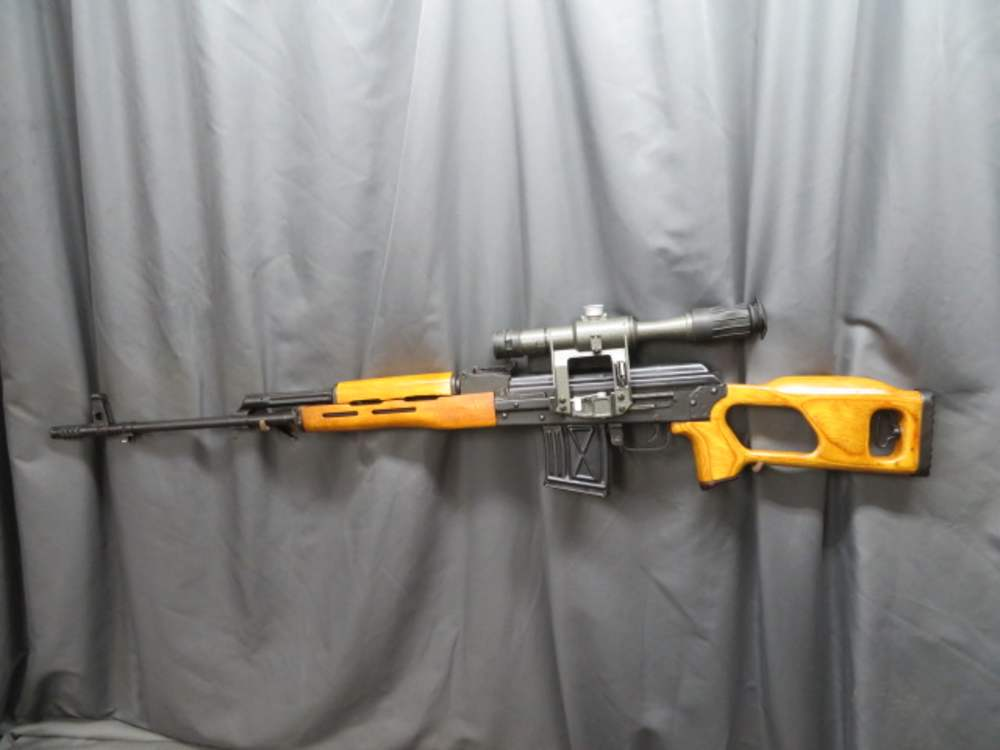
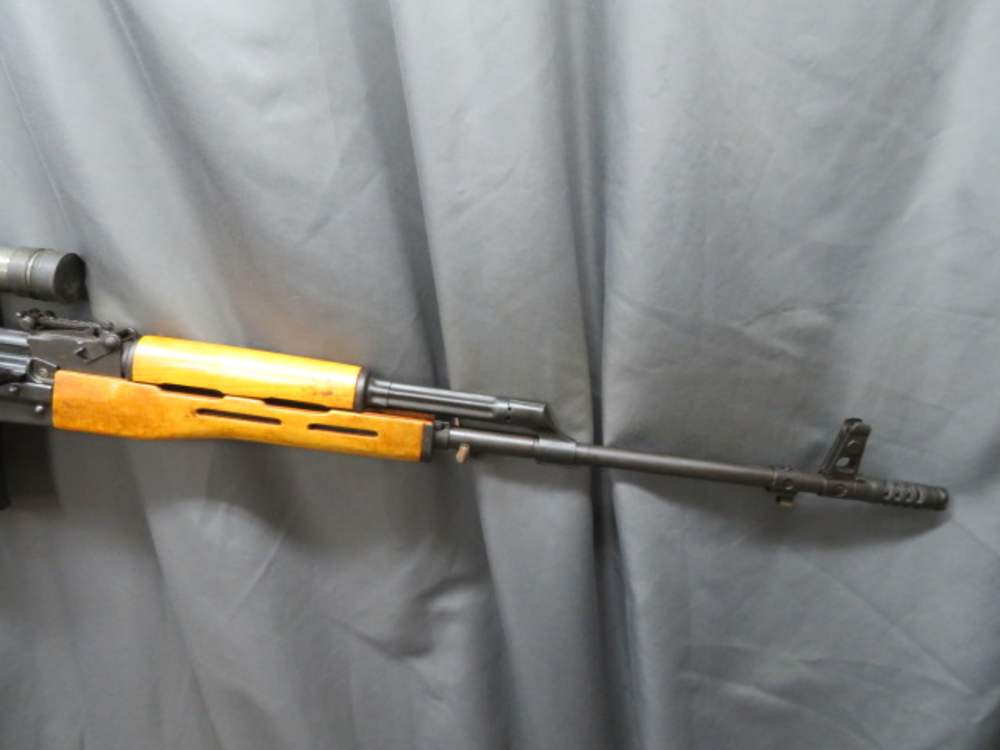
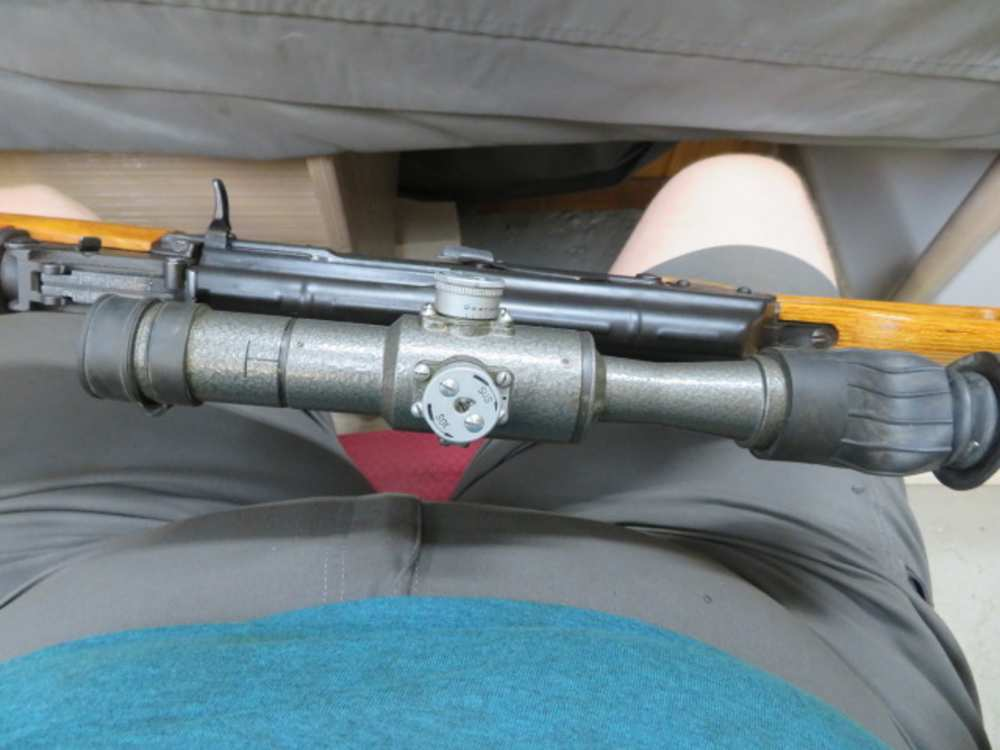
The PSL (Puşcă Semiautomată cu Lunetă, “semi-automatic rifle with scope”) entered service with the Romanian Army in the early 1970s as the country’s standard designated-marksman rifle, chambered for the long-serving 7.62x54mmR cartridge also used in the Mosin-Nagant and Dragunov lines. It was built to extend a rifle squad’s effective range well beyond the 7.62x39mm assault rifles common in Warsaw Pact inventories, putting a scoped, semi-automatic rifle in the hands of a designated marksman rather than a dedicated sniper specialist. At a glance it strongly resembles the Soviet SVD Dragunov, but the two rifles are built on entirely different actions.
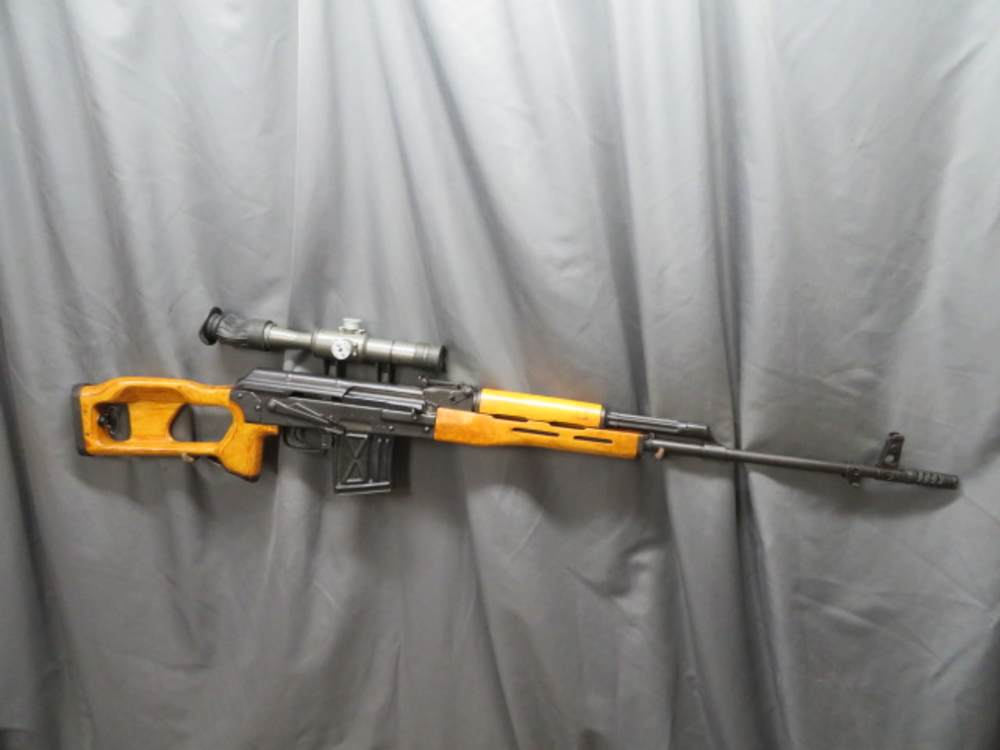
Origins: Adapting the RPK, Not the Dragunov
Romanian engineers did not copy the Dragunov’s purpose-built action. Instead, they scaled up the RPK light machine gun — itself a heavy-barreled derivative of the Kalashnikov rifle — to handle the more powerful, rimmed 7.62x54mmR round. That gives the PSL a long-stroke gas piston and a stamped-steel receiver in the AK-pattern tradition, quite different from the Dragunov’s short-stroke piston and machined receiver. The result is a rifle that looks like an SVD from across a room but handles, fields, and disassembles like an oversized AK.
Manufactured at the Cugir Arsenal
Production has centered on the state arsenal at Cugir, Romania, the same facility long associated with the country’s AK-pattern rifle manufacturing. Exact production figures aren’t well documented in open sources, but the PSL was built in quantity from the early 1970s onward and remained in production, with running changes, for decades — an unusually long service life for a Cold War-era designated-marksman rifle.
Service Across the Warsaw Pact and Beyond
The PSL served as Romania’s standard designated-marksman rifle and was exported to a number of Warsaw Pact-aligned and non-aligned nations during the Cold War, with later examples turning up as surplus in various regional conflicts across the Middle East and Africa. As with many widely exported Soviet-bloc arms, precise country-by-country usage records are incomplete, and some reported battlefield sightings are difficult to verify independently.
Arriving in American Collections
Semi-automatic PSL rifles began reaching American shores in meaningful numbers after the Cold War, once Romanian surplus opened up to Western importers. Century Arms became the best-known importer, bringing rifles in under names like the PSL-54C, typically reconfigured to meet U.S. semi-automatic import and features requirements. For most American collectors today, the PSL is known primarily through these imported, civilian-legal semi-automatic variants rather than through war-trophy bring-backs.
A Cousin to the Dragunov, Not a Copy
The PSL is frequently confused with the Soviet SVD Dragunov and its export and clone family, including the Chinese NDM-86 and the Yugoslav Zastava M76 (the latter typically chambered in 8mm Mauser). All share a similar profile and battlefield role, but the PSL’s AK-derived internals set it apart mechanically from the true Dragunov pattern. For collectors, that distinction is part of the appeal — the PSL offers a genuinely different mechanical path to the same designated-marksman role, built by a country that solved the problem with the tools already sitting in its own factories.